


Decorative stainless steel appears in both interior and exterior design, from entrance details and column cladding to elevator interiors, ceilings, and cabinet fronts. Polishing, brushing, coloring, embossing, and etching give the metal different relationships with light and surrounding materials. This guide explains the appearance of common finishes, where they can be used, and the practical considerations that help narrow the choice.

Mirror Stainless Steel for Bright Reflective Accents
Mirror stainless steel reflects nearby light, colors, and objects, creating a bright surface that can make an entrance or elevator interior feel more open. On columns, furniture details, or selected ceiling areas, it brings reflections into the design without requiring a whole room to be clad in metal. It is particularly useful when the reflected surroundings are part of the intended composition, such as a display area or a carefully lit lobby.
View a panel under the planned lighting and from normal viewing positions. Uneven surfaces or adjoining panels set at different angles can distort reflected lines, while direct light may create glare. Fingerprints and fine scratches are also easy to see, so consider how often the surface will be touched and how it will be cleaned.
Brushed Stainless Steel for Soft Linear Texture
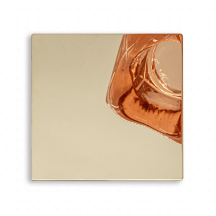
Brushed stainless steel has fine directional lines that soften reflections while retaining a clear metallic character. It suits elevator panels and doors, door surrounds, skirting, cabinet fronts, and furniture details where a quieter surface is desirable. Fine brushing gives a more restrained effect, while a more pronounced grain makes the texture easier to see at a distance.
Keep grain direction consistent across adjoining panels and repeated doors. A panel turned through 90 degrees can catch the light differently and appear to be another shade. Compare samples with their grain aligned, retain one approved reference, and clean along the grain with suitable nonabrasive products.


Colored Stainless Steel for Coordinated Interior Palettes
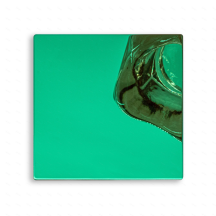
Gold, bronze, and black tones let stainless steel take a more deliberate role in an interior color palette. Gold or bronze accents can bring a warm note beside wood or pale stone, while black trims can outline doors and glazing. These finishes can be used in hotel lobbies, restaurants, retail displays, cabinet fronts, door surrounds, and decorative strips. A broad colored surface makes a stronger visual statement; smaller details repeat the metal tone without dominating the room.
Color can be combined with mirror, brushed, or embossed surfaces, so compare the color and underlying texture together. View samples beside the intended wood, stone, and glass under the project lighting. For adjacent panels, agree on an acceptable color match and ask how visible damage can be repaired or replaced.
Embossed and Water Ripple Stainless Steel for Depth and Light
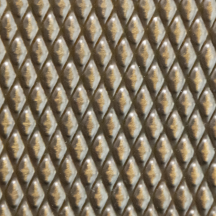
Embossed stainless steel uses raised or recessed patterns to give the surface a repeated texture, from geometric shapes to fabric-like effects. On a ceiling, cabinet face, or elevator panel, the relief adds detail that a flat sheet cannot provide. Small patterns can read as a subtle texture, while larger ones become a more visible part of the design.

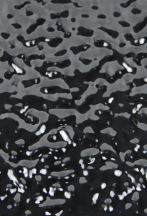
Water ripple stainless steel has an undulating surface that breaks reflected light into irregular highlights. As the viewer moves, those highlights appear to shift, creating a water-like effect. It can be used on feature ceilings, selected background panels, and bar fronts, with ceilings offering a particularly clear view of the changing reflections.

For a ceiling, view the sample at the intended height and with representative lighting. Also look at more than one panel to see how the pattern and reflections continue across joints. Deep relief creates stronger shadows and more recesses to clean, so choose a pattern scale that suits both the viewing distance and the available maintenance access.
Etched Stainless Steel for Decorative Patterns
Etching creates patterns by selectively removing a small amount of the steel surface. The treated areas contrast with surrounding mirror, brushed, or colored sections, making lines and motifs visible through changes in texture and reflection. Geometric patterns can repeat an interior theme, while custom graphics can be used on elevator doors, decorative panels, signs, and branded details.
Check an actual-size sample when the design includes fine lines, lettering, or a motif that crosses several panels. The pattern should remain legible at the normal viewing distance, and joints should fall where they do not interrupt important details. For recessed patterns, consider whether routine wiping can reach the textured areas.
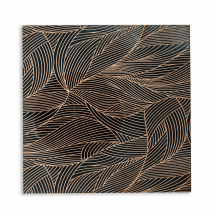
Comparing Decorative Stainless Steel Finishes
Use the table to match the desired visual effect with a suitable location. A highly reflective accent, a softly textured door front, and a patterned ceiling each call for a different starting point.
These finishes can be combined: a panel may be both colored and brushed, or etched over a reflective base. Compare the complete appearance rather than treating the categories as mutually exclusive.
| Finish | Visual effect | Typical locations | Main consideration |
|---|---|---|---|
| Mirror | Clear reflections and bright accents | Elevator interiors, columns, entrance details, selected ceilings | Reflected view, glare, flatness and visible fingerprints |
| Brushed | Soft reflection and directional lines | Elevator doors, cabinet fronts, door surrounds and trims | Consistent grain direction and cleaning along the grain |
| Colored | Warm or dark accents within a room palette | Hotel and restaurant details, retail displays, cabinet fronts | Color and texture under the actual lighting; panel matching |
| Embossed | Repeated relief and textured detail | Ceilings, cabinet faces and elevator panels | Pattern size, joint continuity and accessible recesses |
| Water ripple | Irregular highlights with a sense of movement | Feature ceilings, bar fronts and selected background panels | Ceiling height, lighting and viewing distance |
| Etched | Graphic motifs and contrasting textures | Elevator doors, signs and custom decorative panels | Pattern legibility and uninterrupted key details |
Choosing a Finish for Your Project
Start with the effect you want and the location where it will be seen. For exterior areas, coastal exposure, or persistent moisture, choose a steel grade and finish suitable for those conditions. Confirm the required sheet size and thickness with the supplier once the visual direction is clear.
Compare a physical sample beside the actual stone, wood, and glass selections under the planned lighting. For a ceiling or a surface made from several panels, use a larger sample or a small joined mock-up to judge the overall effect. Keep the approved sample as a reference for the order.
Conclusion
The right decorative finish gives stainless steel a clear role in the space. Decide whether that role is reflection, soft texture, color, or patterned detail, then compare samples in the setting where the material will be used. A short list based on appearance and location is easier to develop into a coherent design.
FAQs
Is brushed stainless steel scratch-proof?
No. Brushing can make some marks less noticeable, but it does not prevent scratches. A scratch across the grain may stand out more than one that follows it, and lighting and coatings also affect how visible a mark appears.
What is the difference between stainless steel grade and finish?
A grade, such as 304 or 316, identifies a type of stainless steel with a specified chemical composition. A finish describes its surface treatment and appearance, such as brushed or mirror polished. The grade number is not a hardness rating, and the same grade can be supplied with different finishes.
Explore IDEAFUSION’s stainless steel material selection to find finishes for your project. Request samples in the colors and textures you are considering, then confirm availability and suitable specifications with the supplier.


