
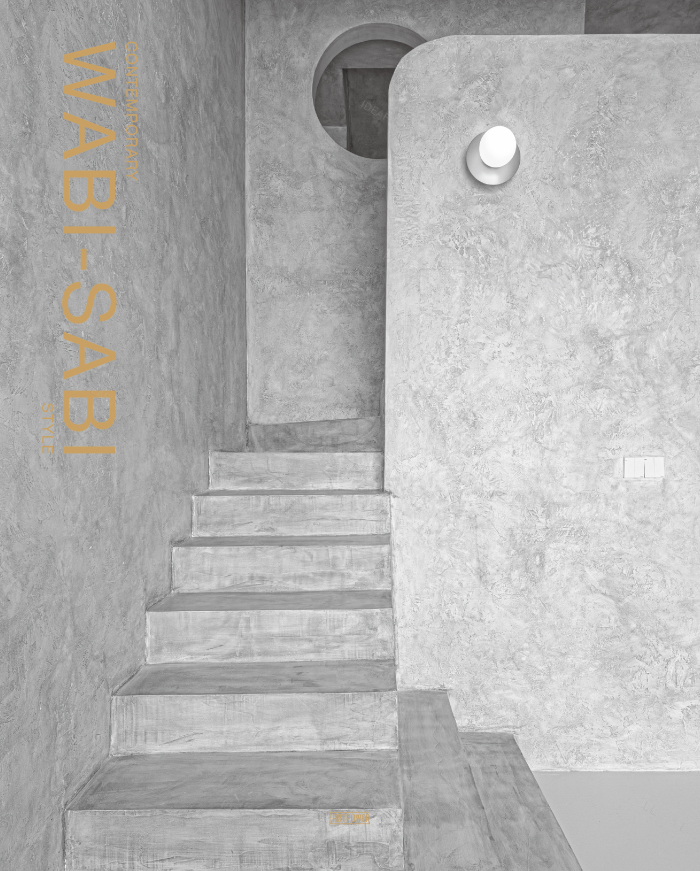


Modern Wabi-Sabi Vol.2

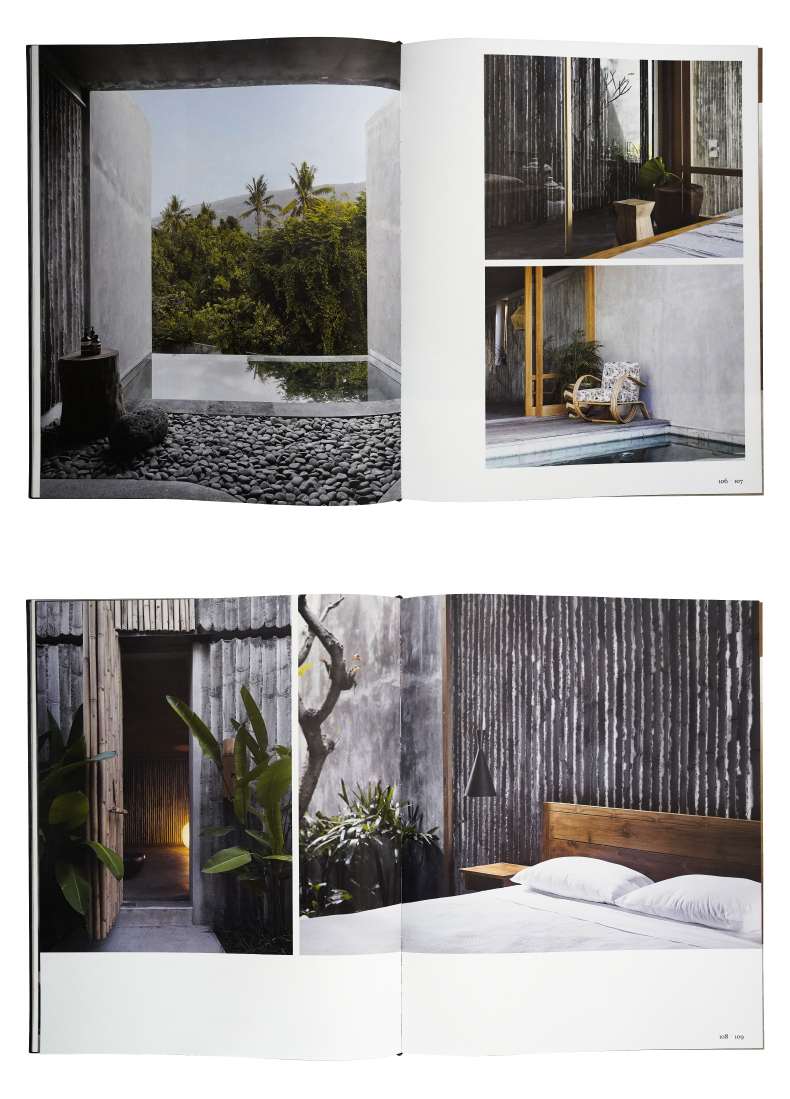
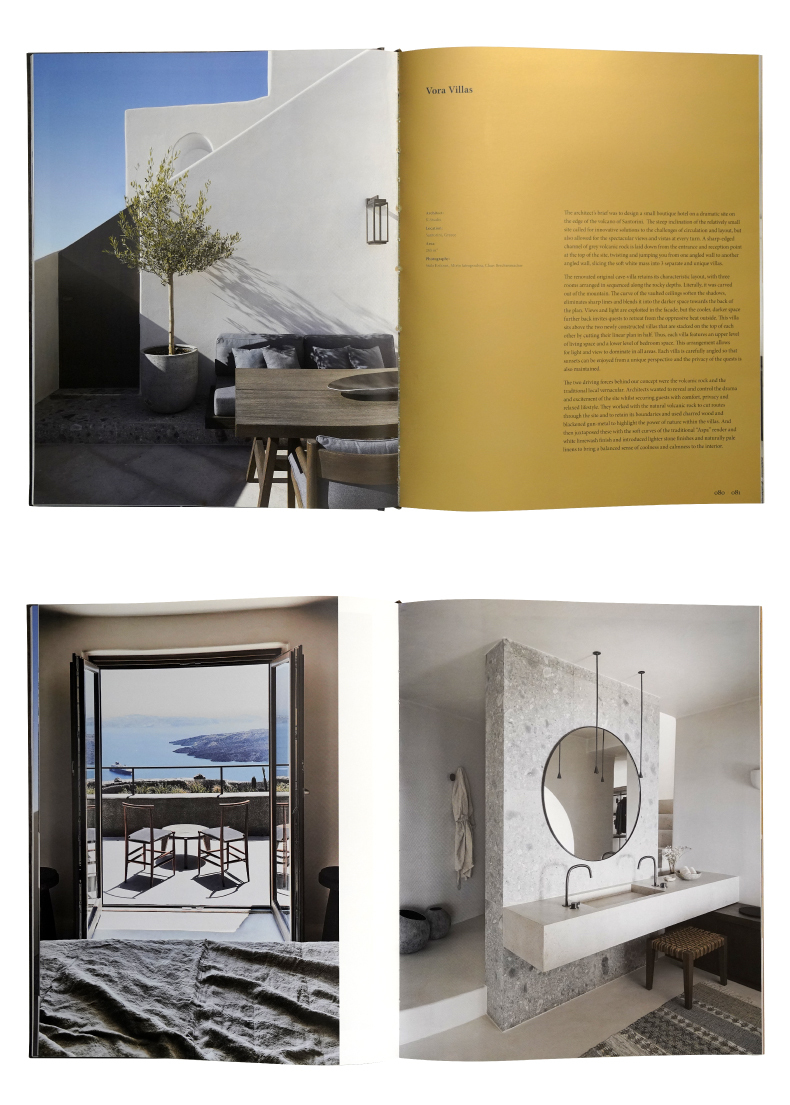
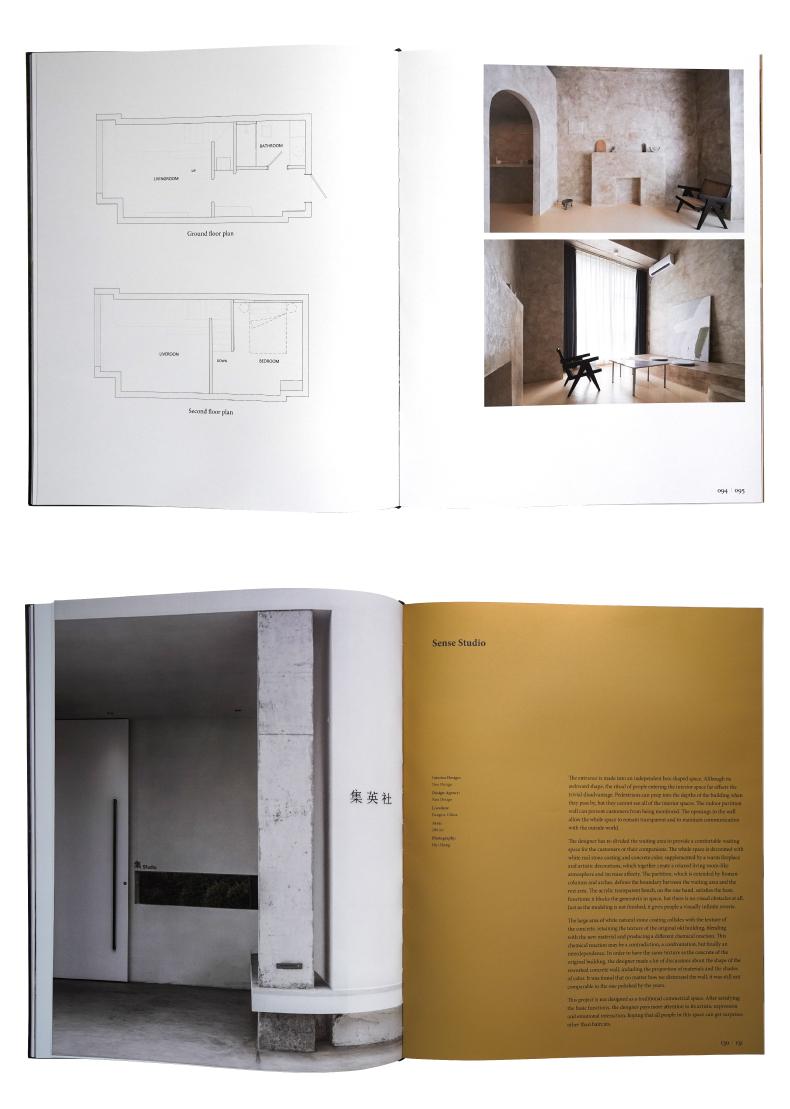
Details
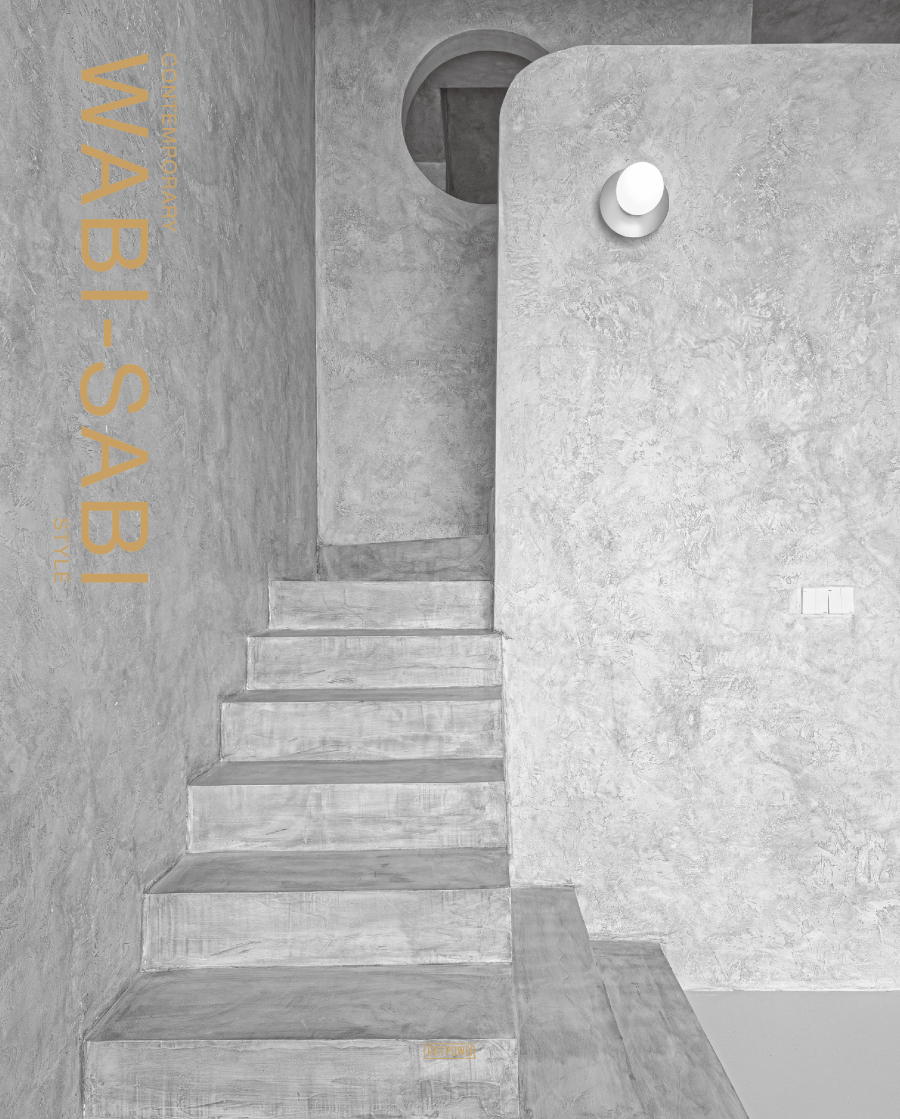
In recent years, Japanese minimalism has emerged as a powerful design force, and wabi-sabi—the heart of traditional Japanese aesthetics—embodies a rustic beauty that stands the test of time. Guided by the principle of "preserving the essence," designers have reinterpreted classic wabi-sabi, giving rise to a contemporary wabi-sabi that resonates with modern sensibilities. From tennis icon Maria Sharapova and American tastemaker Kim Kardashian to the award-winning Jixiashan Meili hotel, wabi-sabi has become one of today's most sought-after styles.
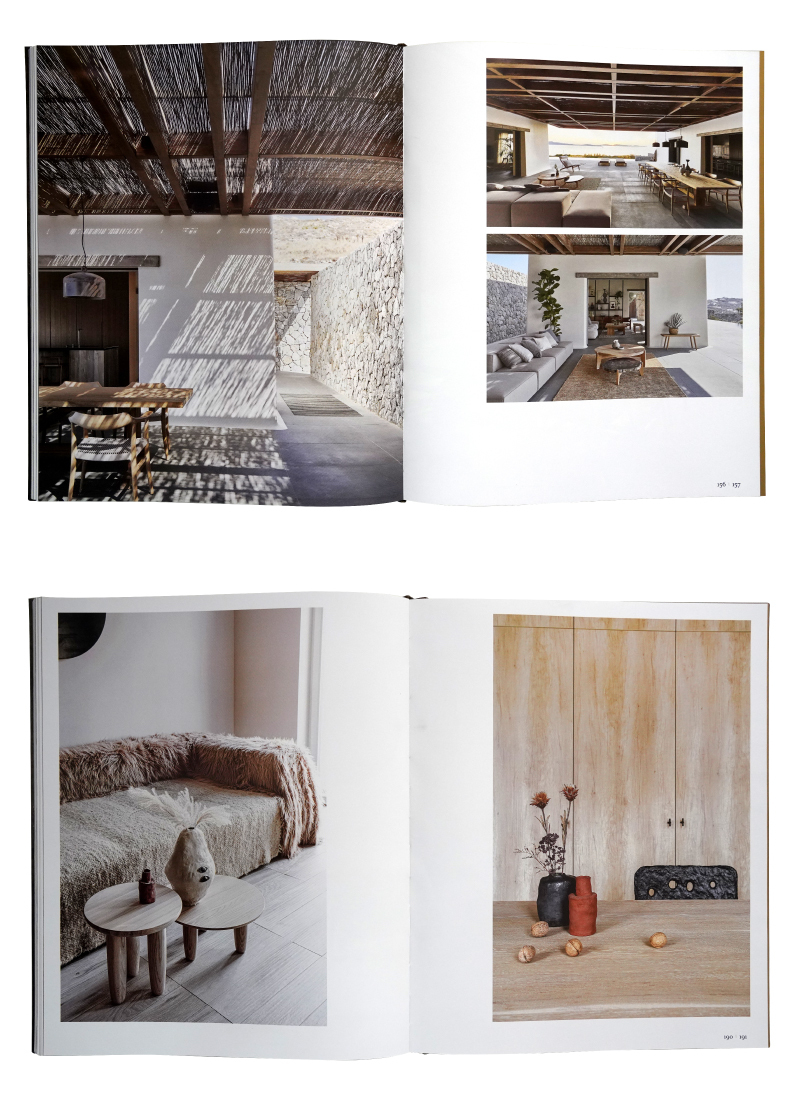
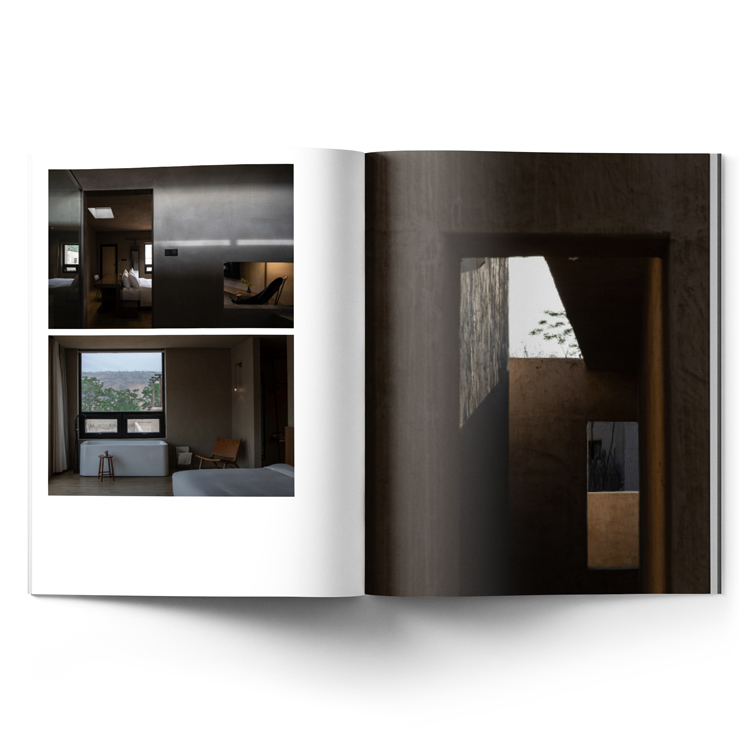
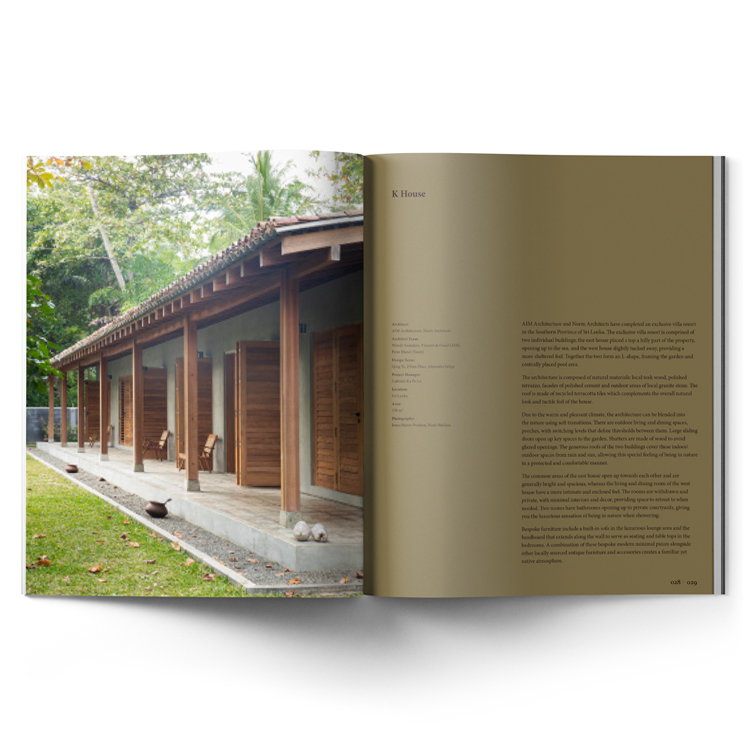
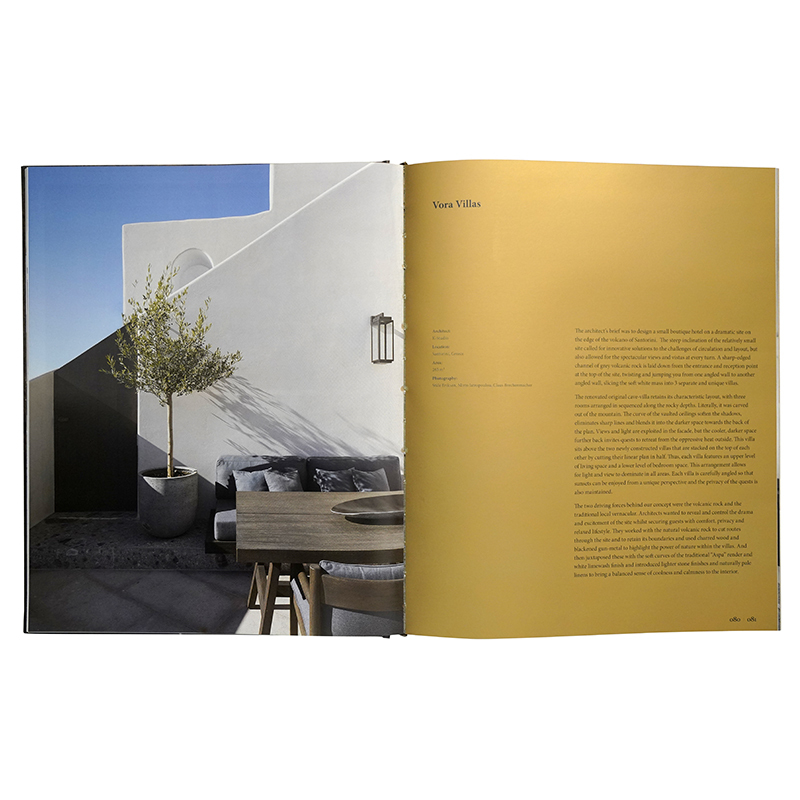
This book gathers over thirty wabi-sabi projects worldwide—from hotels, showrooms, and restaurants to private residences—showcasing how wabi-sabi elements are applied in contemporary interior design. It features influential designers such as Ukraine's Sergey Makhno and Germany's Annabell Kutucu, including the personal wabi-sabi homes they created for themselves.
· A global collection of modern wabi-sabi projects reveals how different designers interpret shared stylistic codes
· Moves beyond the traditional worn, old, and imperfect traits, blending modern design techniques to redefine wabi-sabi—more referential, visually appealing, and practical
· Clean, understated layout with chapter dividers inspired by Japanese dry gardens; the overall palette draws on wabi-sabi's signature earthy tones
· Foreword by Ukrainian designer Sergey Makhno exploring how Japanese wabi-sabi aesthetics sparked reflections on the meaning of life and guided his own design journey


