


Aleta Four Wooden Legs Base Lounge Chair


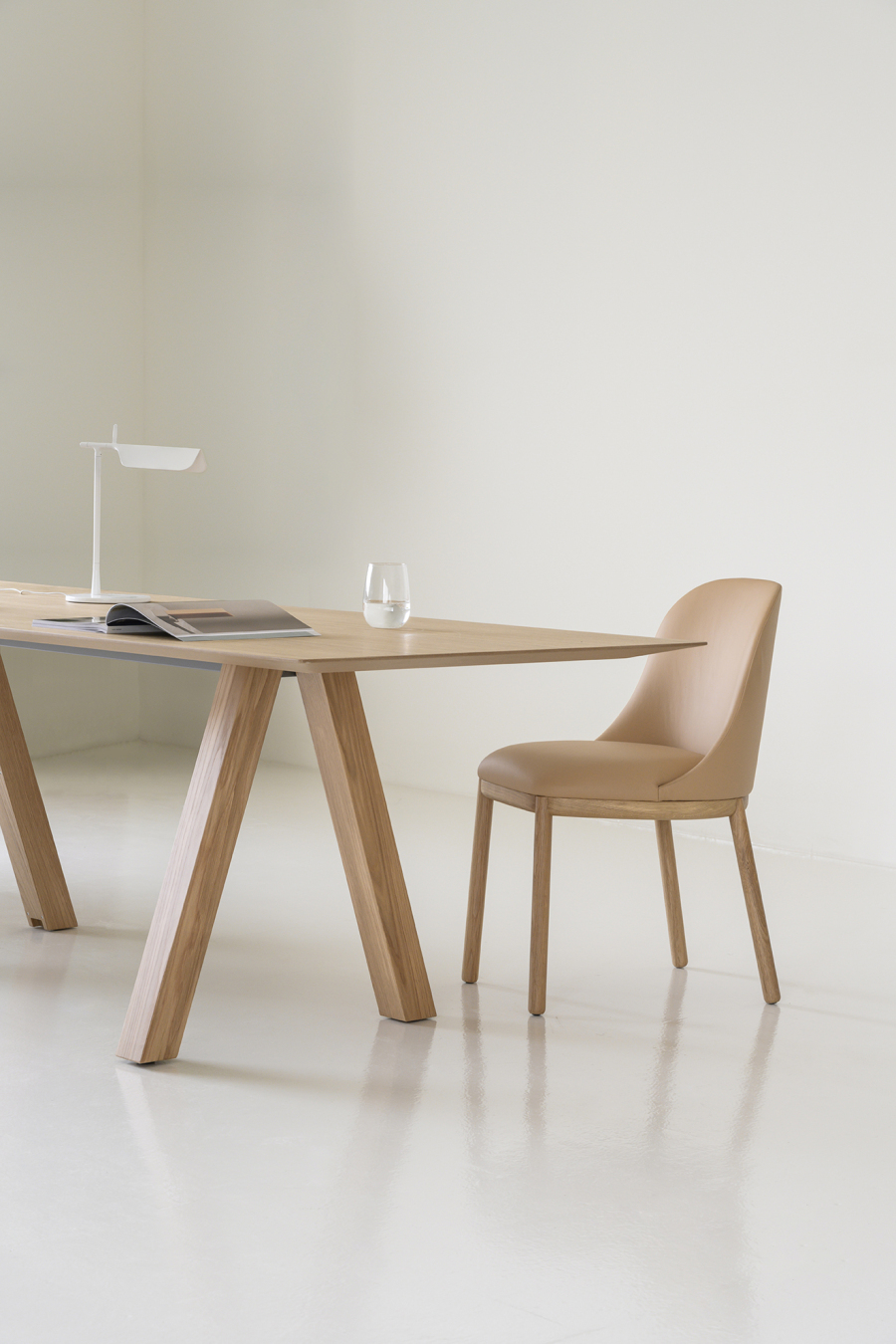
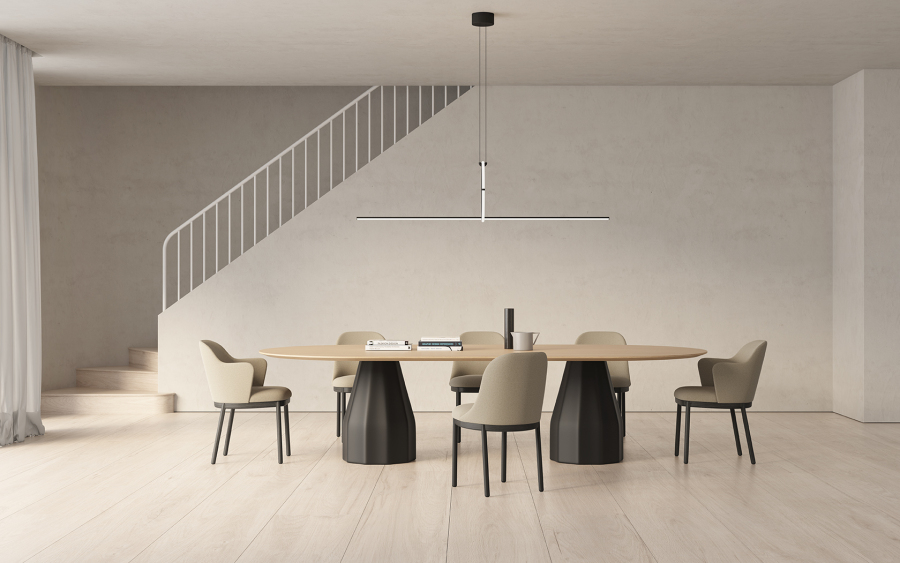
Details
Attention
Upholstered Furniture Care
1. Dry Cleaning Extends Lifespan
If stains appear on the fabric covers, gently dab with a clean cloth moistened with water. To avoid leaving marks, always work from the outer edge of the stain inward. Velvet upholstery should never come into contact with water; use a dry-cleaning solvent instead. All fabric covers and linings should be professionally dry-cleaned only. Do not machine wash or bleach.
To prolong furniture life, avoid sitting on it with wet or sweaty clothing, or with soiled shoes, as this leads to frequent cleaning which can damage the fabric. Vacuum at least once a week, paying close attention to removing dust trapped within the fabric weave and crevices.
2. Rotate to Prevent Uneven Wear
Fabric cushions and pillows should be flipped and rotated frequently, ideally once a week, to distribute wear evenly across all surfaces. Where furniture is positioned against a wall, maintain a gap of 0.5 to 1 centimeter between the furniture and the wall to prevent friction and fabric damage.
3. Avoid Direct Sunlight
Upholstered furniture should be protected from prolonged direct or partial exposure to outdoor sunlight. Excessive heat can cause the fabric to dry out, stiffen, and may lead to cracking or fading.
Ideally, position upholstered furniture out of direct sunlight, or use sheer curtains to diffuse the light. This not only protects your furniture but also softly filters natural light, enhancing the ambiance of the room.
Wooden Furniture Care
1. Dusting with a Soft Cotton Cloth
Gently dust wooden furniture surfaces regularly using a soft, lint-free cotton cloth, always wiping in the direction of the wood grain. Before dusting, slightly dampen the cloth with a mild wood cleaner or water. Never use a dry cloth directly, as this can scratch and dull the finish over time.
Periodically, use a well-wrung damp cotton cloth to wipe away accumulated dust from the entire piece, then immediately follow with a clean, dry, soft cotton cloth to dry and buff the surface.
2. Polishing and Waxing
For a quick shine, apply a small amount of liquid furniture polish to a cloth and wipe the surface. However, be aware that frequent polish application can attract and hold dust, creating a sticky buildup that is difficult to clean and may lead to light scratches over time.
Liquid wax is generally a better option than spray polishes. It creates a protective barrier that encourages dust to slide off rather than stick. While its protection does not last as long as a paste wax, a well-applied paste wax—using only a very thin layer—can maintain a beautiful, long-lasting sheen on your furniture.
3. Treating Scratches and Water Rings
Minor scratches on veneered or solid wood furniture can be easily concealed with a wax crayon. Choose a crayon that closely matches the color of your furniture. Apply the wax over the scratch, ensuring it fills the groove, then lightly buff the area and apply a clear furniture wax over the repair.
Water rings from drips that are not wiped off immediately will typically fade over time. If a ring persists for more than a month, try gently rubbing the mark along the wood grain using a clean, soft cloth dabbed in a tiny amount of salad oil or mayonnaise. Alternatively, place a damp cloth over the ring and carefully press a warm clothes iron on the cloth for a few seconds at a time. The mark should gradually disappear.


