
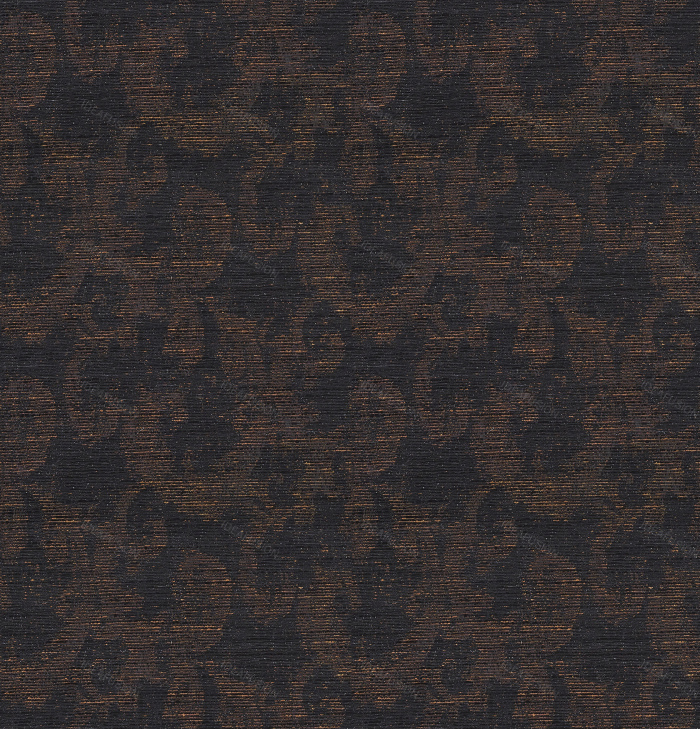
1/1


Find
Raffia Wallcovering
Reference Price:USD/m
Brand:JINGSHANG
Material No.:AR0NNV2Z
Supplier: CONTACT US
Material ID:
Add to Project
Material Consultation
Overview
Product Reports
Documents
Specifications
Product Model:8620-1
Color:Brown Series
Content:PA
Width:145cm
Surface Treatment:Woven
Flammability:F
Lightfastness:4
Seamless Match:NO
Brand Name:JINGSHANG
Series Name:Wallpaper & Fabric Wallcovering
Category:Wallpaper/Non-woven Wallpaper
Customizable:Yes
Overview
Case Diagram
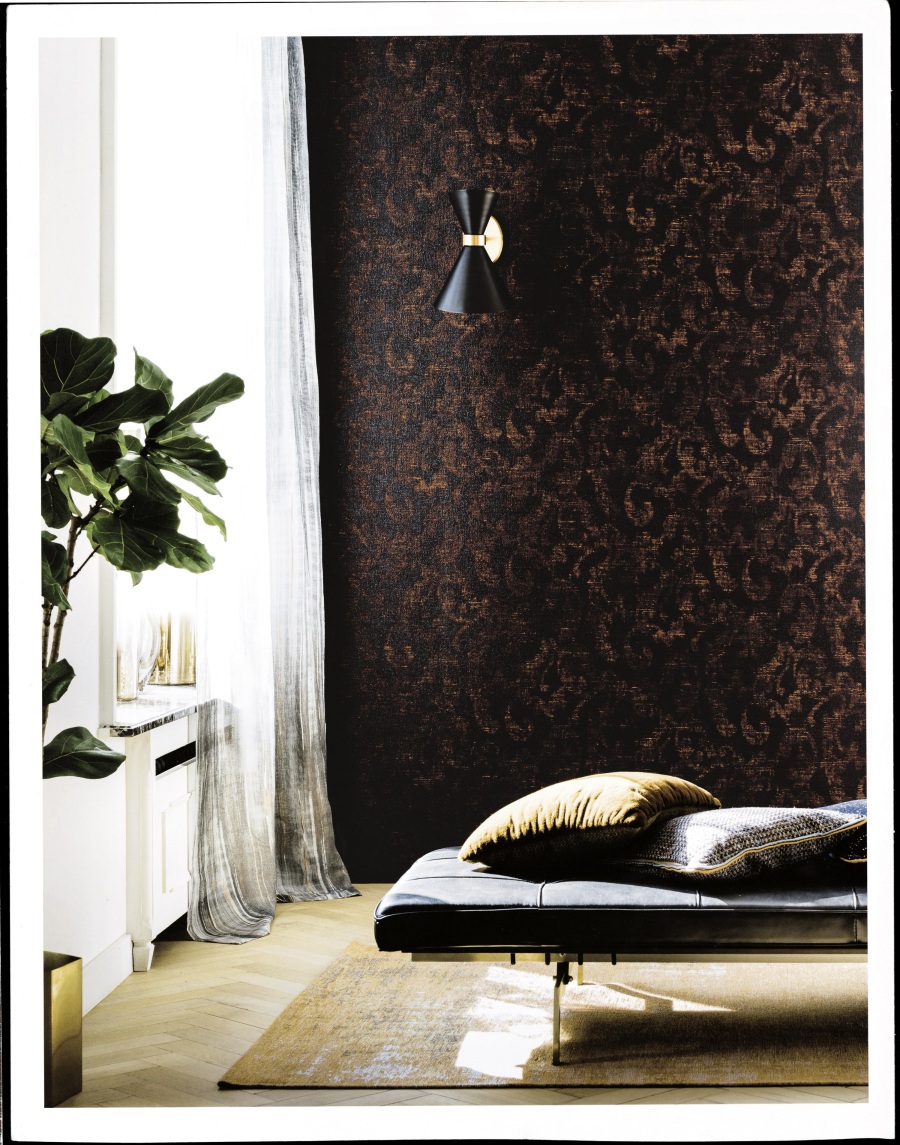
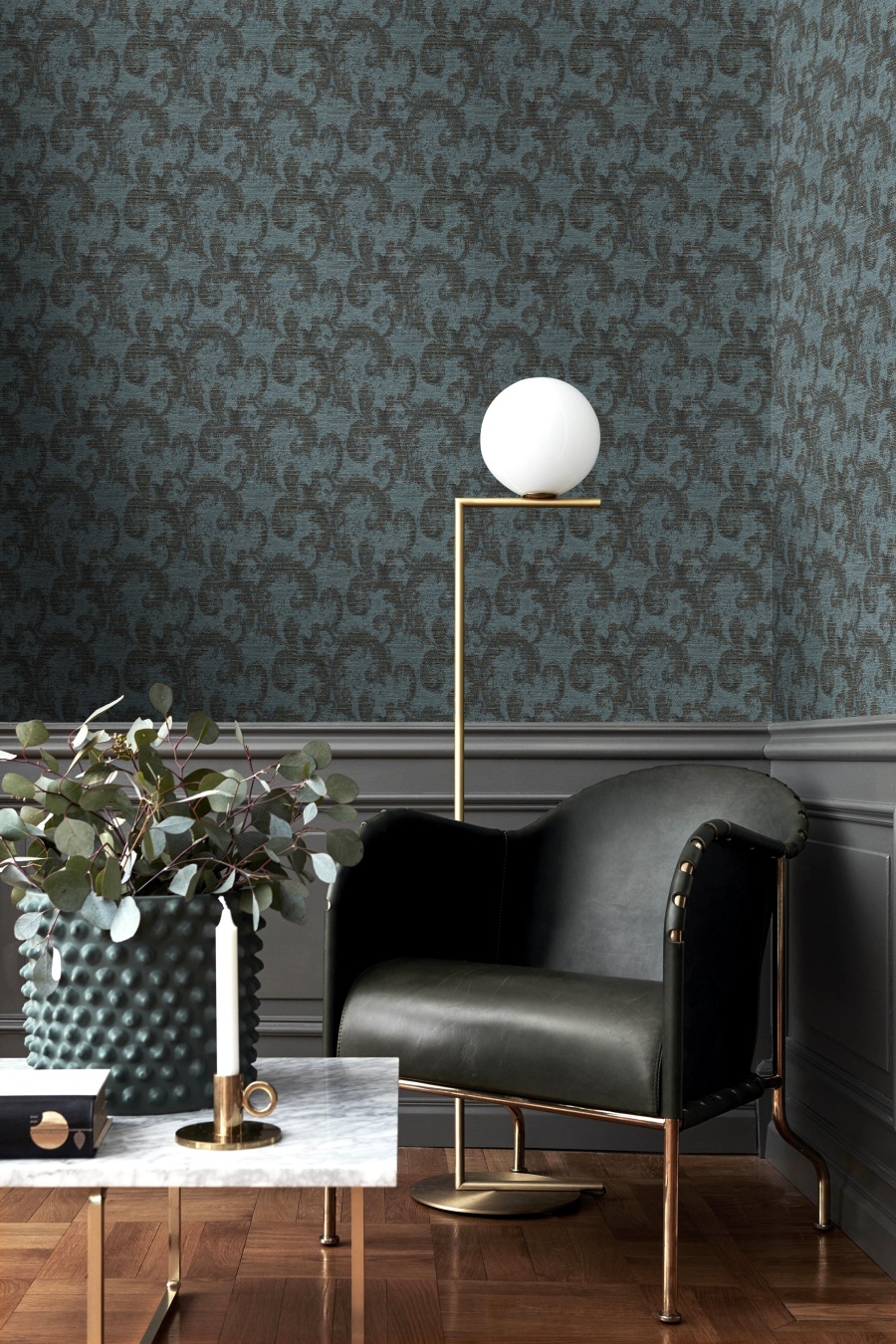
Details
Raffia yarn is made from PA (polyamide), commonly known as nylon – a synthetic fibre. PA offers excellent mechanical strength, heat resistance, wear resistance, chemical resistance, self‑lubrication, a low friction coefficient, some flame retardancy, and easy processability. The raffia yarn used here is imported from Germany, making this a premium wallcovering material.
Attention
Installation Notes:
① Check and confirm that the wall is clean, dry, free of loose particles and cracks, and does not contain excessive lime. Choose a suitable primer; a wall primer with a solid content of 40% or higher is recommended for wall treatment.
② When hanging the wallcovering, adhesive is generally applied to the wall, and the back of the wallcovering is lightly dampened with a thin layer of water. A high-solids adhesive, such as imported glue or clay-based adhesive, is recommended.
③ There are two common methods for seams: for fine-textured wallcoverings, a direct butt joint can be used; for roughly textured ones, a double-cut (overlap and trim) technique yields better results. Align the pattern carefully before proceeding. Place a strip of kraft paper tape under the cutting area to prevent adhesive from being carried away by the trimmed material. Pay attention to cutting force; cut through the material without damaging the wall. If force control is difficult, use a stainless steel shim for edge cutting.
④ Because the wallcovering is relatively thick, air pockets may appear when wrapping outside corners. To address this, draw a line along the outside corner with the back of a knife blade, which helps the corner wrap perfectly and reduces the chance of air pockets.
⑤ For large areas, a short-bristle brush is recommended, starting from the center and brushing up and down to smooth the surface, avoiding wrinkles and bubbles. Using a scraper can easily roughen the surface texture and affect the appearance.
⑥ Natural color variations at the seams of natural fiber wallcoverings are a normal phenomenon.


