
1/1


Find
Accessories/Decorative Items/Book/FRÉDÉRIC CHAUBIN. CCCP. COSMIC COMMUNIST CONSTRUCTIONS PHOTOGRAPHED. 40TH/
FRÉDÉRIC CHAUBIN. CCCP. COSMIC COMMUNIST CONSTRUCTIONS PHOTOGRAPHED. 40TH
Reference Price:USD/
Brand:ACSBOOKS
Material No.:BKH63QIA
Supplier: CONTACT US
Material ID:
Add to Project
Material Consultation
Overview
Material Texture
Product Reports
Documents
Specifications
Product Model:FRÉDÉRIC CHAUBIN. CCCP. COSMIC COMMUNIST CONSTRUCT
Type of Item:New
Style:Modern
Country of Origin:Hong Kong, China
Showroom Location:Yizhan Center Phase 2, 5021
Stock:10
Color:Color Series
Content:Paper
Size:196 x 255
Prepayment Ratio:100%
Brand Name:ACSBOOKS
Category:Accessories/Decorative Items/Book
Customizable:No
Overview
Case Diagram
Details
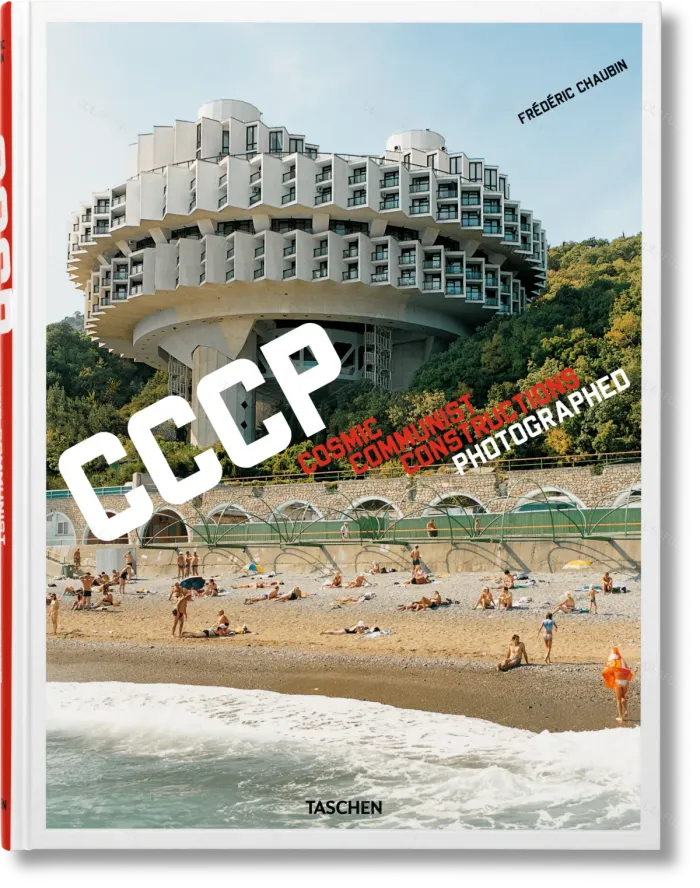
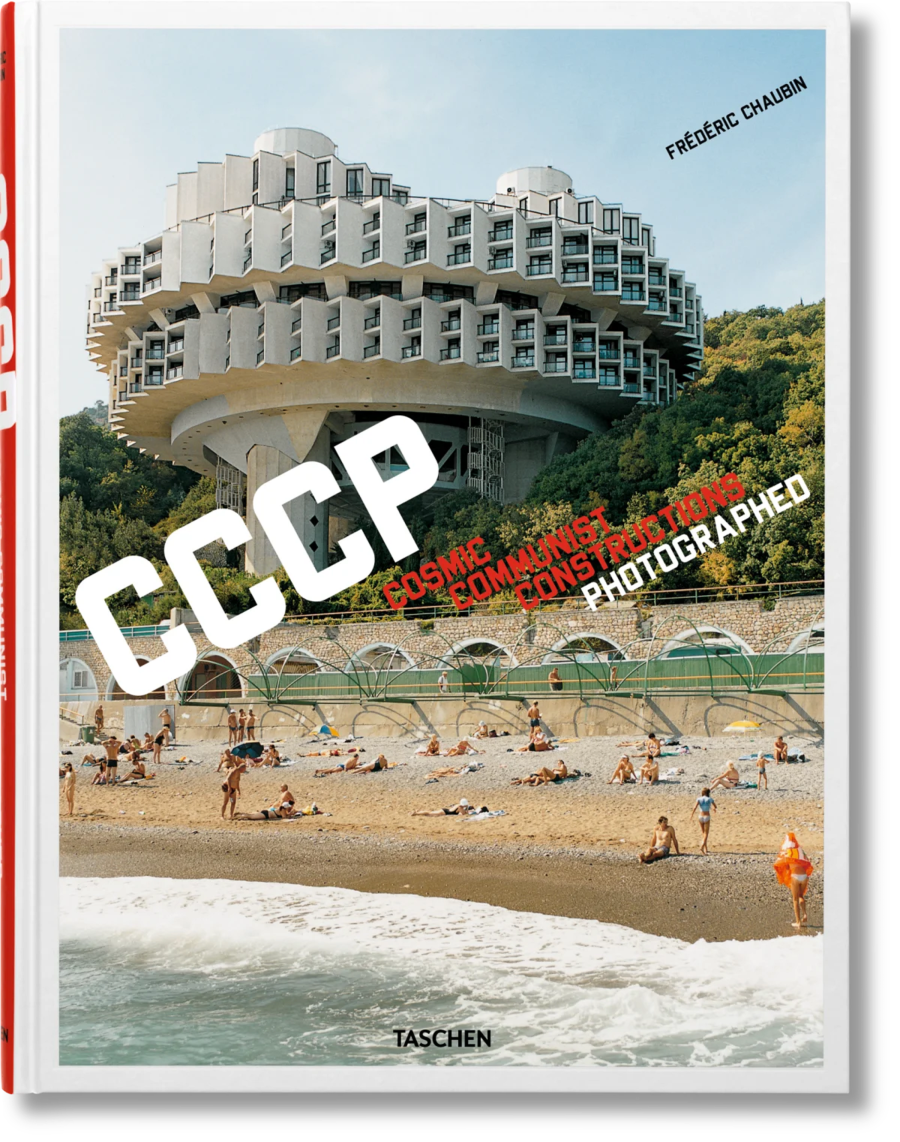
At the International Festival of Art Books and Film in Perpignan, France, Frédéric Chaubin’s *Cosmic Communist Constructions Photographed* was named Architecture Book of the Year. The volume explores 90 buildings across 14 former Soviet republics, each embodying what Chaubin identifies as the fourth and final age of Soviet architecture—an uncharted, emergent period spanning 1970 to 1990. In contrast to the defined schools of the 1920s and 1950s, no single style prevailed. Instead, these structures represent the chaotic impulses of a crumbling system. Exploiting the cracks in a monolithic entity, architects surged far beyond Modernism, either returning to roots or innovating with wild abandon. Some realized Constructivist dream projects (Druzhba Sanatorium, Yalta), while others gave form to expressionist fantasy (Palace of Weddings, Tbilisi). A summer camp inspired by lunar base sketches claims Suprematist influence (Prometheus Youth Camp, Bogatyr). Then there is the 'talking architecture' that flourished in the USSR’s twilight: a crematorium adorned with concrete flames (Kyiv Crematorium), a technical institute crowned with a flying saucer (Kyiv Science Research Institute), and a political center that watches over you like Big Brother (Kaliningrad House of Soviets). In their stylistic confusion and eccentric strategies, these buildings emerge as the extraordinary remnants of a disintegrating system. Their diversity and local exoticism testify to the sheer scale of the Soviet geography and to the growing gaps in its ever-expanding network. At the same time, they immortalize the era’s ideological dreams, from cosmic obsession to the rebirth of identity.


