
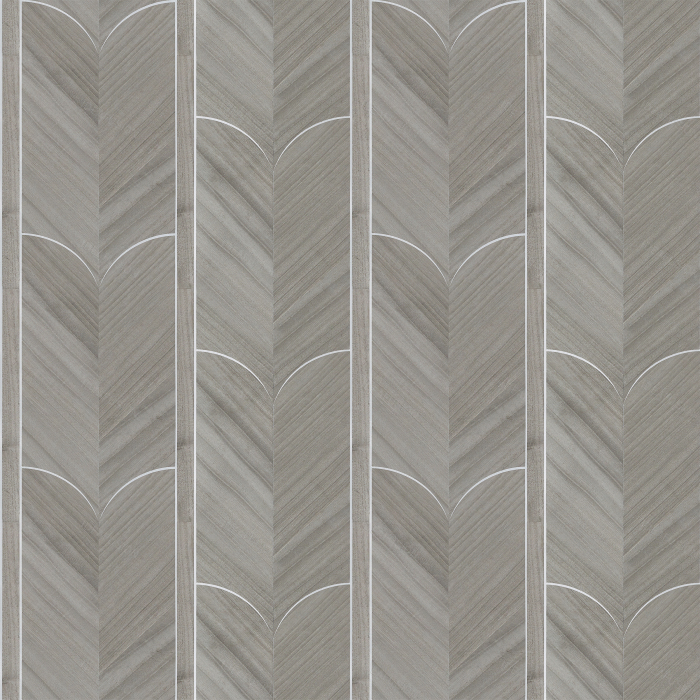


Wood Veneer Wallpaper

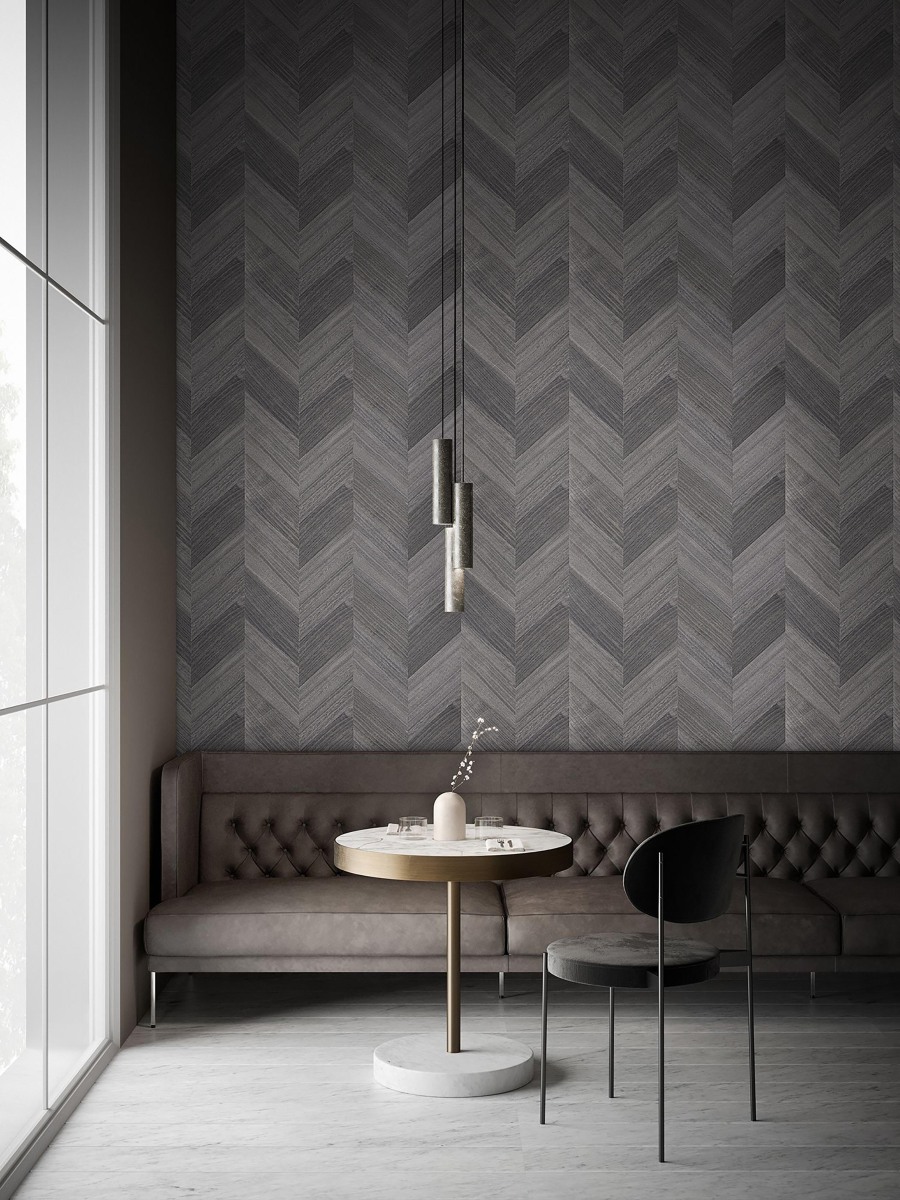
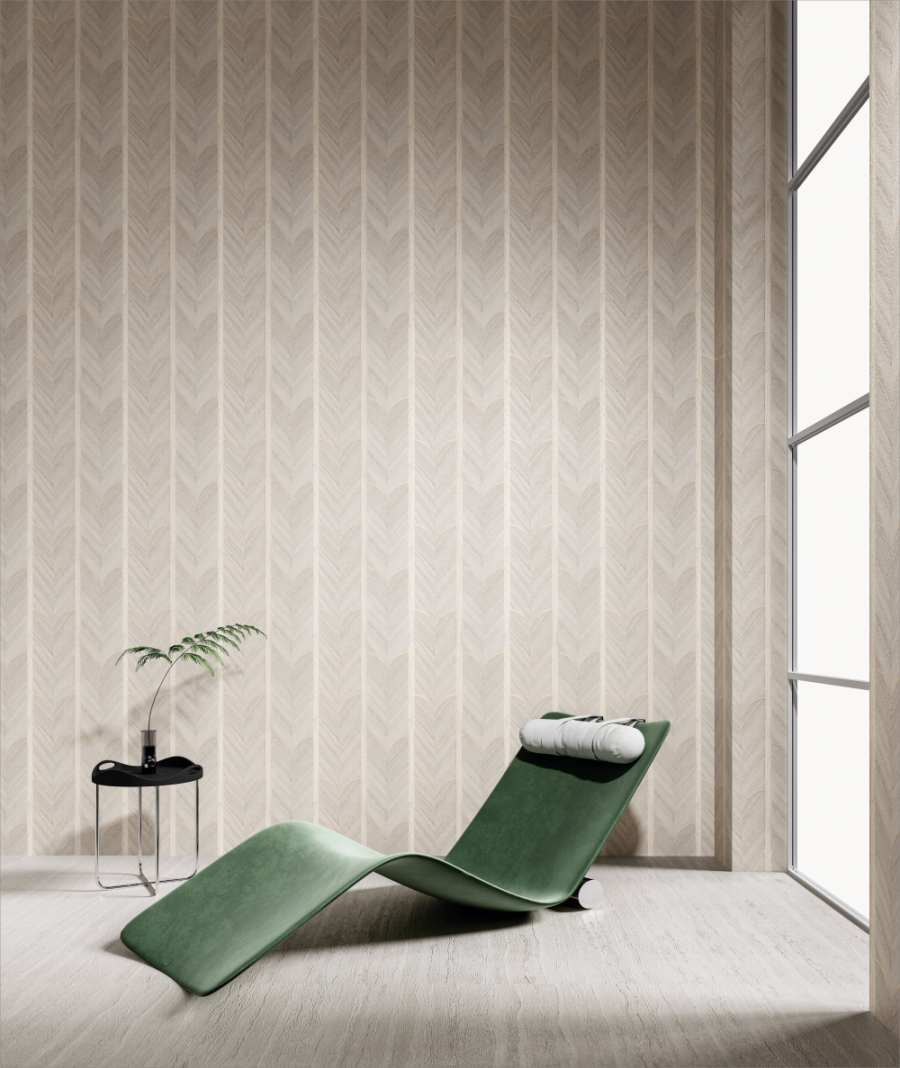
Details
Wood veneer is one of the most decorative wood products, widely used for furniture, flooring, and accessories. It retains the natural touch and grain of real wood, offering a variety of styles, easy application, and an elegant, noble texture.
Natural wood veneer production process: Logs are cut into sections, sawn according to diameter, grain pattern, and the fixing method on the slicing machine. The prepared flitches undergo cooking (hydrothermal treatment), slicing, and drying (maintaining a moisture content of 8–12%). Only dried veneer is suitable for handmade wallcoverings.
Paulownia wood is commonly used in wood veneer wallcoverings. It offers a stable supply, is non-toxic and eco-friendly, has good toughness and abrasion resistance, is easy to work with, and achieves high color saturation. The wood itself features a natural grain texture that is even, subtle, and naturally carries a silky sheen—elegant and delicate.
Attention
Installation Notes:
1. For wood veneer series with regular grain patterns, you may lightly mist the back of the paper with water. For irregular grain patterns, do not spray water, as this may cause bubbling.
2. Apply adhesive to the wall. After rolling on large areas, use a small brush to touch up adhesive in inside corners where the roller cannot reach; do not leave any gaps. When touching up, use a scraper to shield adjacent surfaces to avoid contamination. After hanging the wood veneer wallcovering, keep it vertical and smooth it out with a brush or plastic scraper.
3. Note: Wood veneer wallcoverings are rigid. When trimming the top and bottom edges or performing an overlap cut, you must apply the right amount of pressure. During overlap cutting, always use a metal guard; otherwise, the knife may easily damage the primer and substrate.
4. At inside corners, first use an inside corner roller, then press firmly with a metal scraper at a 45-degree angle. When going around outside corners, lightly spray the outside corner with water and wait about one minute for the veneer to soften before folding. Check whether the veneer surface cracks. If it does, use the outside corner cut method. When cutting outside corners, use a guard against the blade tip and keep the blade flush against the wall. After cutting, flatten with an outside corner roller. If patterned, cut as narrowly as possible to avoid pattern misalignment. After cutting, any whitish fractured edge can be touched up with a colored pencil close to the surface color.
5. If bubbles appear after installation, use a wood veneer iron. To remove bubbles on colored veneer, set the temperature between 100°C and 120°C (do not exceed 120°C). Do not slide the iron back and forth, as this may scorch the wallcovering surface. Only use a pressing motion. After ironing, immediately press firmly by hand or with a brush to flatten.


