
1/4


Find
Calcium Sulfate OA Raised Access Floor
Reference Price:USD/㎡
Brand:Lingding
Material No.:CMNT10Z1
Supplier: CONTACT US
Material ID:
Add to Project
Material Consultation
Overview
Product Reports
Documents
Specifications
Product Model:HDW.600.30.B.D)
Country of Origin:Jiangsu Province, China
Concentrated Load (KG):450kg
Raised Floor Height(mm):60-300mm
Finish:None
Size(mm):600*600mm
Color:Silver Series
Indoor & Outdoor:Indoor
Content:The board base material mainly uses high-strength super-grade α-hemihydrate gypsum (CaSO4·1/2H2O), mineral binder, and high-quality pulp plant fiber as reinforcement to ensure product quality.
Flammability:A1
Brand Name:Lingding
Series Name:OA Network Raised Floor
Category:Flooring/Raised Flooring/Network Cabling Raised Flooring
Customizable:Yes
Overview
Product Details/cases/detailed Images
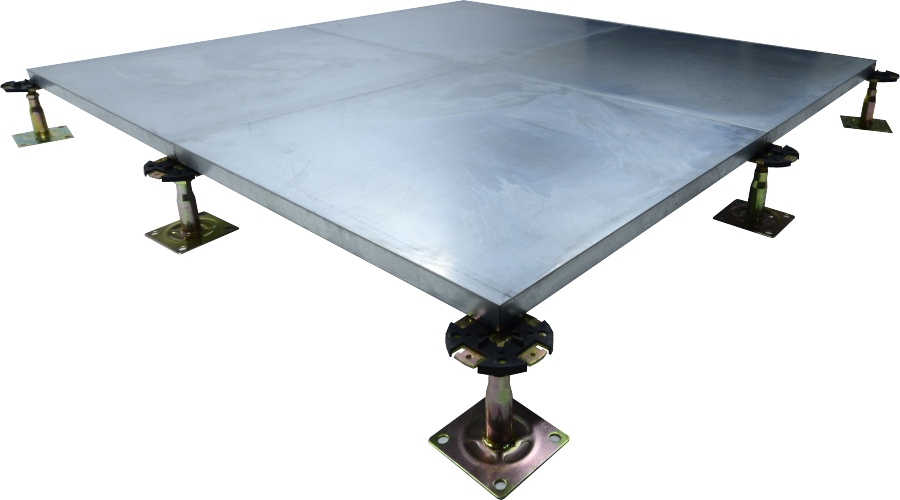
Structural Diagram
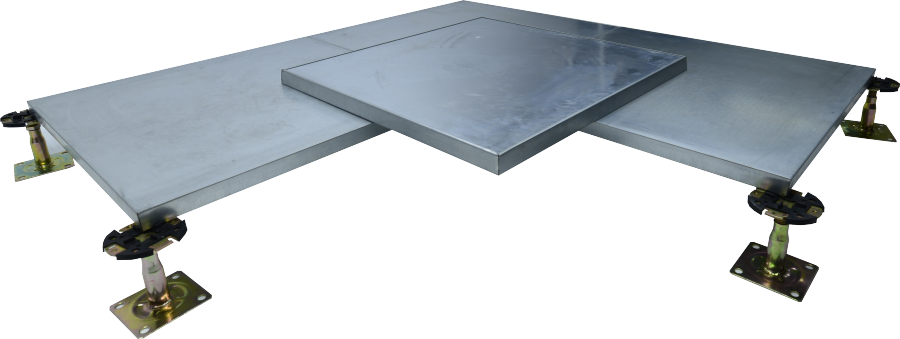
Case Diagram
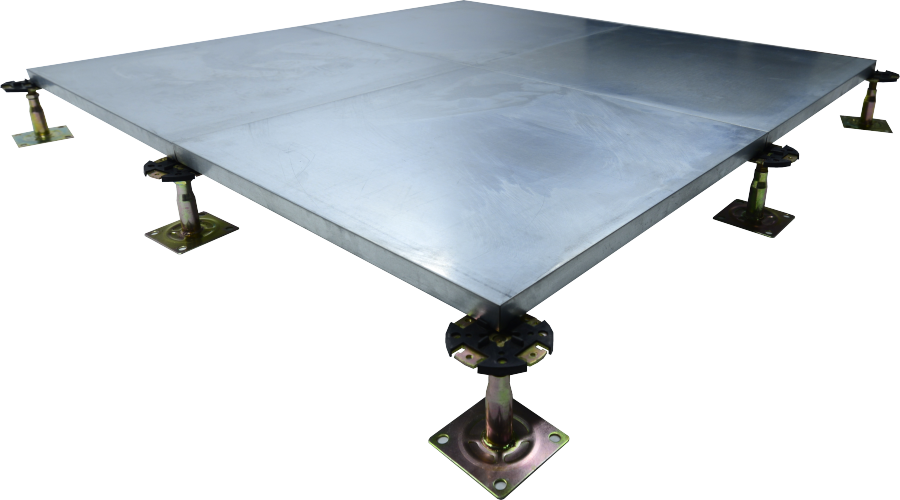
Details
Application:
Computer rooms, data centers, control rooms, low and high voltage distribution rooms and other spaces requiring static control.
Product Structure:
1. High-quality, high-strength calcium sulfate board as core, fully encapsulated with galvanized steel on all six sides for excellent integrity.
2. Alternatively, galvanized steel top and bottom with integrated injection-molded edge banding around the perimeter.
Product Features:
1. Core made by pressing natural fibers, gypsum and water in a specific ratio; emits no pollution or harmful substances.
2. Class A1 fire rating for a safer work environment.
3. Superior flatness provides comfortable underfoot feel and noise-free performance.
4. Compatible with various surface finishes, such as carpet, ceramic, stone, rubber, etc.
Attention
1. Pay special attention to the ambient temperature and humidity where the flooring is installed. For environments such as computer rooms and data centers, relevant industry standards typically require the ambient temperature to be maintained between 15 °C and 35 °C, with relative humidity controlled between 45% and 75% RH. Maintaining these conditions is essential for the long-term reliability of ESD (electrostatic discharge) flooring.
2. Observe the following guidelines during daily use:
- Do not use sharp tools on the floor surface for any installation or maintenance work. Doing so can scratch or damage the surface, compromising both the appearance and the anti-static properties of the floor.
- Never place items that exceed the floor’s specified load capacity onto the raised floor. Jumping from heights or dropping heavy objects directly onto the floor is strictly prohibited, as excessive point loads or sudden impact can damage the supporting pedestals and panels.
- When moving equipment, avoid dragging it directly across the floor to prevent scratches. For lighter devices, lift and carry them. If lifting is impractical and only a short distance needs to be covered, place soft protective material such as a felt pad or blanket underneath the equipment before carefully sliding it.
- Heavy equipment must always be placed directly on the structural slab or a dedicated plinth, never directly onto the raised floor panels, otherwise prolonged excessive load can cause permanent deformation.
- After installation, ensure the area is well ventilated. Maintain good air circulation during ongoing use.
- Protect the floor from water. If liquid is spilled, wipe it up immediately with a dry mop before moisture can penetrate beneath the surface. For general soiling, use a slightly damp (not dripping) mop to clean the surface.
- Do not place hot items such as cookware or heat-generating appliances directly on the floor, as this may cause thermal deformation. Place an entrance mat at doorways to reduce abrasive sand and grit trapped in footwear.


