


Kitchen Faucet

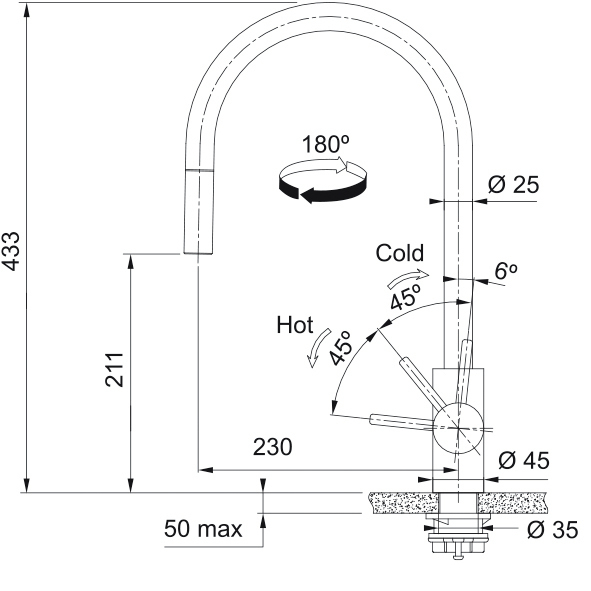

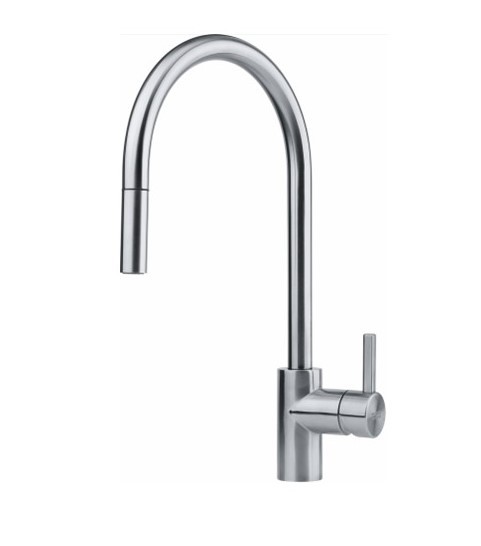
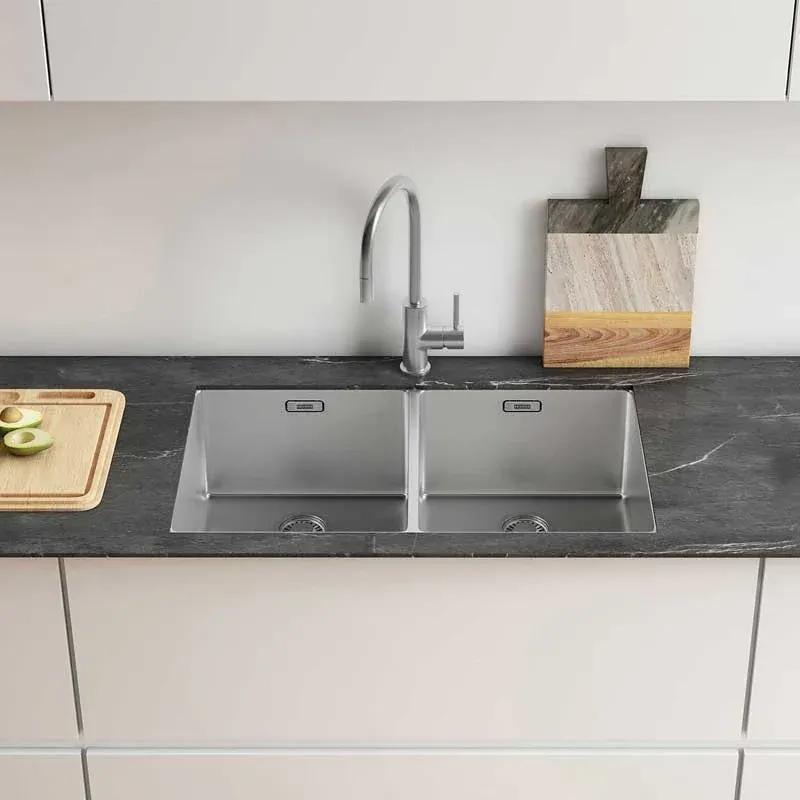
Details
Attention
In the kitchen, avoid prolonged contact between stainless steel faucets and substances like soy sauce, vinegar, or cooking oils to prevent chemical reactions that can dull the finish or cause rust spots. In the bathroom, prevent hard water stains and scale from building up on the faucet surface, which can reduce its shine and even create a cloudy, foggy appearance over time.
It is recommended to clean the stainless steel faucet about once a month. Never use sharp objects to scrape or scratch the surface. If yellowish stains appear—an early sign of oxidation (rust)—gently rub the area with a soft cloth and a stainless steel–specific cleaning cream or polish; the shine should return quickly. Avoid using this aggressive method too frequently, as it can gradually wear away the original luster.
1. Prepare a soft-bristle brush, a plastic bag (for protecting surrounding surfaces), and other related cleaning supplies.
2. Dip the soft brush into soapy water and gently scrub the faucet area 4–5 times, especially around the base where it meets the countertop—dirt and grime easily accumulate in that joint gap because of direct contact. Then, lightly scrub the same areas with a small amount of white vinegar using the brush.


