


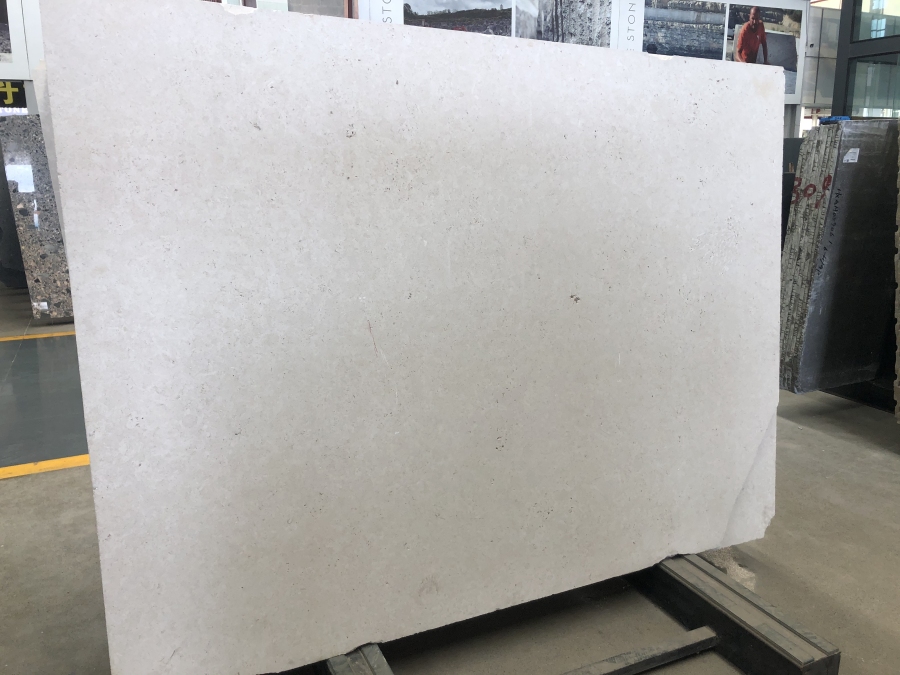
Paris Spring

Attention
1. Substrate Preparation: Use the Appropriate Cement Grade
Cement comes in various grades such as 32.5, 42.5, etc. (comparable to ASTM C150 Type I/II). For flooring substrates, a 32.5-grade cement (similar to general-purpose cement) is recommended. Avoid using high-strength cement for the base layer.
2. Stone Installation Methods: A. Wet-Set Mortar Bed, B. Mechanical Anchoring (Dry-Clad), C. Adhesive Bonding;
Wet-Set Installation: When using the wet-set method, do not use beach or sea sand. Its high salt content can migrate into the stone, causing efflorescence. The bonding layer should be a white, polymer-modified thin-set mortar to prevent colour bleed. We recommend using high-performance, imported products such as Mapei white stone-specific adhesive or Laticrete stone bonding mortars.
Mechanical Anchoring (Dry-Clad): For dry-clad systems, anchor slots must be completely filled with epoxy anchoring adhesive. Use stainless steel anchors that meet international standards (e.g., AISI 304 or 316). The stone slab must be at least 2.3 cm (approx. 0.9 inches) thick.
Adhesive Bonding: Use a high-strength structural adhesive (e.g., MS polymer or epoxy) to bond stone, commonly used in furniture and feature elements.
3. Grinding and Polishing Protocol
Always grind using a sequential grit progression from low to high numbers. Never skip grits. The process must be performed wet—dry grinding is strictly prohibited. Immediately remove all slurry generated during each step. Ensure that after the final honing stage, no slurry remains on the surface. If slurry dries inside the stone's pores, the stone dust turns white, creating a stark contrast with the natural stone colour and resulting in widespread spot-like stains.
Once large-scale grinding is complete, carry out a thorough deep clean and allow the surface to dry completely. Then apply a crystallizer compound using a white polishing pad, working it in until the stone fully absorbs it. This ensures an optimal finish for subsequent treatments.
Important: During installation, the back of the stone must never come into direct contact with cement paste. Cement is highly alkaline and direct contact can trigger efflorescence. Smoking on site is strictly forbidden to prevent cigarette ends from falling into the mortar and causing contamination. Maintain a dry and clean working environment. A damp or wet workspace promotes efflorescence; keep indoor floors dry. Immediately after installation, protect the stone surface with a breathable protective film or gypsum boards to prevent foot traffic, debris, or other trades from soiling the surface.


