
1/1


Find
Aldo Rossi and the Spirit of Architecture
Reference Price:USD/
Brand:ACSBOOKS
Material No.:EL0T4T1K
Supplier: CONTACT US
Material ID:
Add to Project
Material Consultation
Overview
Material Texture
Product Reports
Documents
Specifications
Product Model:Aldo Rossi and the Spirit of Architecture
Type of Item:New
Style:Modern
Country of Origin:Hong Kong, China
Showroom Location:Yizhan Center Phase 2, 5021
Stock:10
Color:White Series
Content:Paper
Size:209 x 191 x 260 mm
Prepayment Ratio:100%
Brand Name:ACSBOOKS
Category:Accessories/Decorative Items/Book
Customizable:No
Overview
Case Diagram
Details
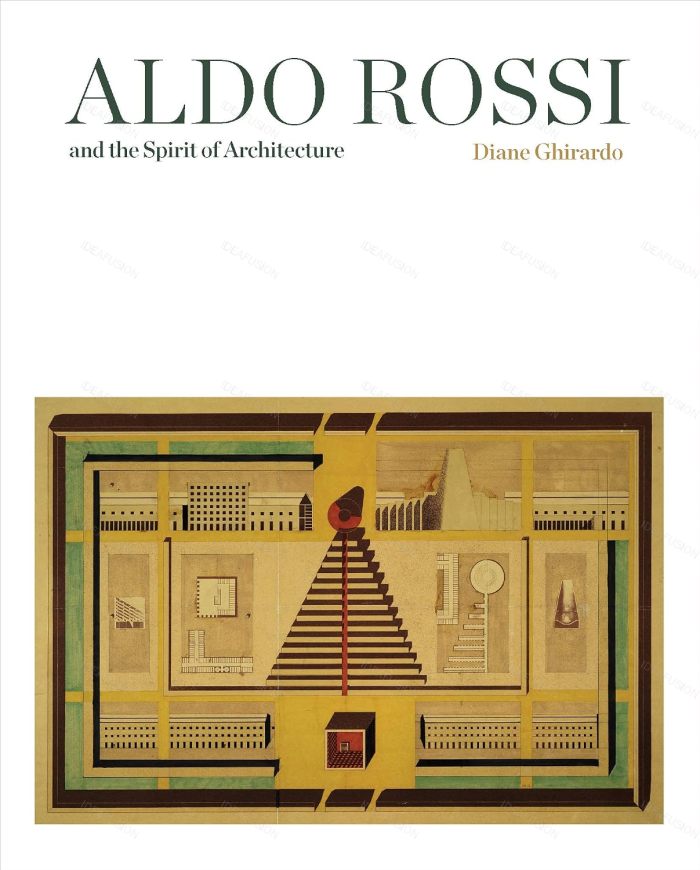
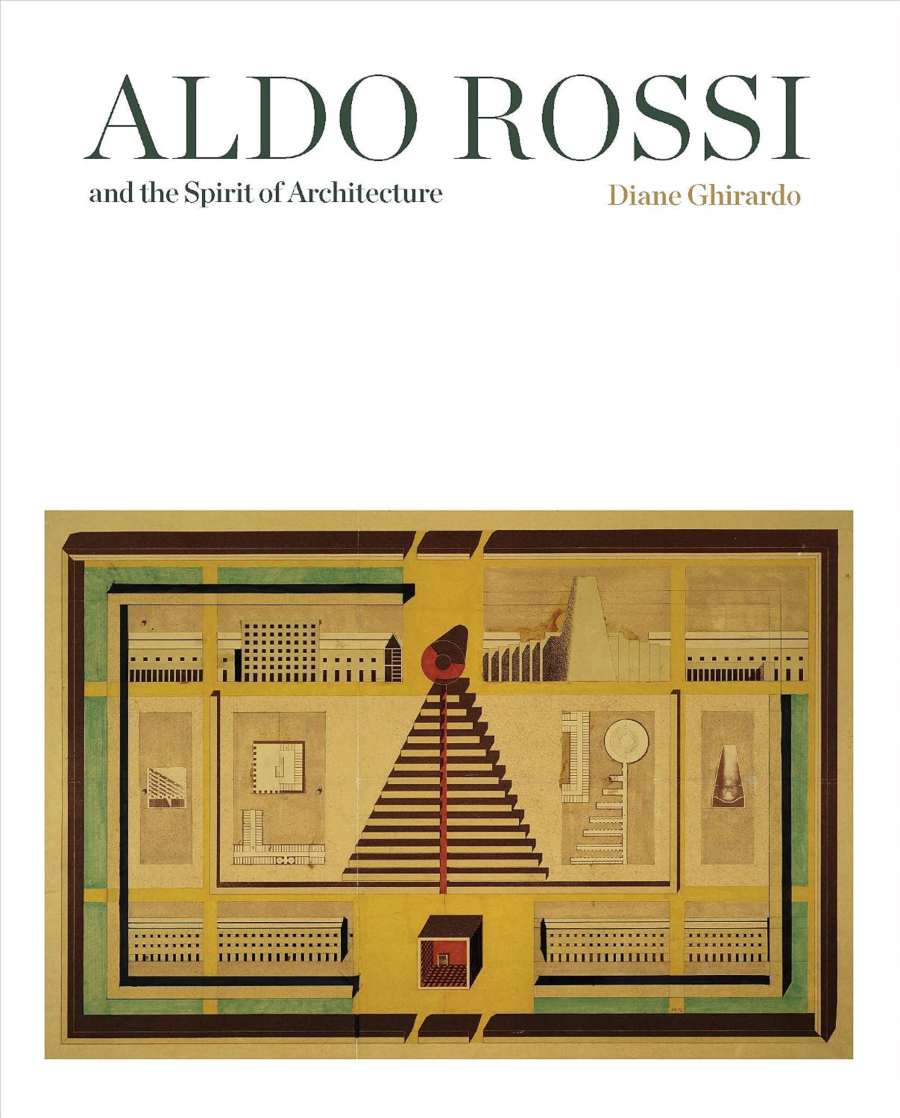
A major reappraisal of the architectural thinking of Aldo Rossi (1931–1997), now available in paperback. The book examines his writings, drawings, and product designs, including the iconic coffee pots and clocks created for Alessi. The first Italian architect to receive the Pritzker Prize, Rossi rejected modernism in favor of an architecture that could move beyond the legacy of Fascist aesthetics in postwar Italy. A visionary untethered from contemporary trends, his Baroque sensibility and poetic approach—evident in both his built work and seminal texts such as The Architecture of the City—led critic Ada Louise Huxtable to describe him as “a poet who happened to be an architect.”
Diane Ghirardo explores a wide range of building types—monuments, public structures, cultural institutions, theaters, and cemeteries—drawing extensively on previously unpublished archival material and always keeping Rossi’s own writings at the center. By delving into the intersections of Rossi’s multifaceted life, prolific output, and self-reflection, this book offers a critical lens for understanding both his architectural practice and the role of architecture in postwar Italy.


