
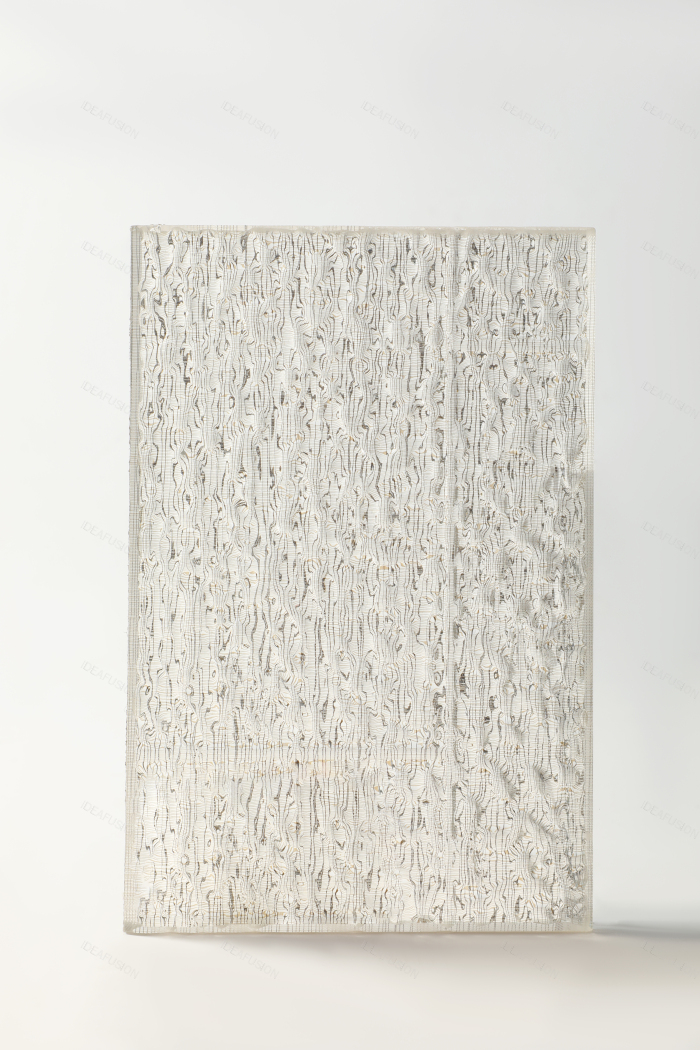


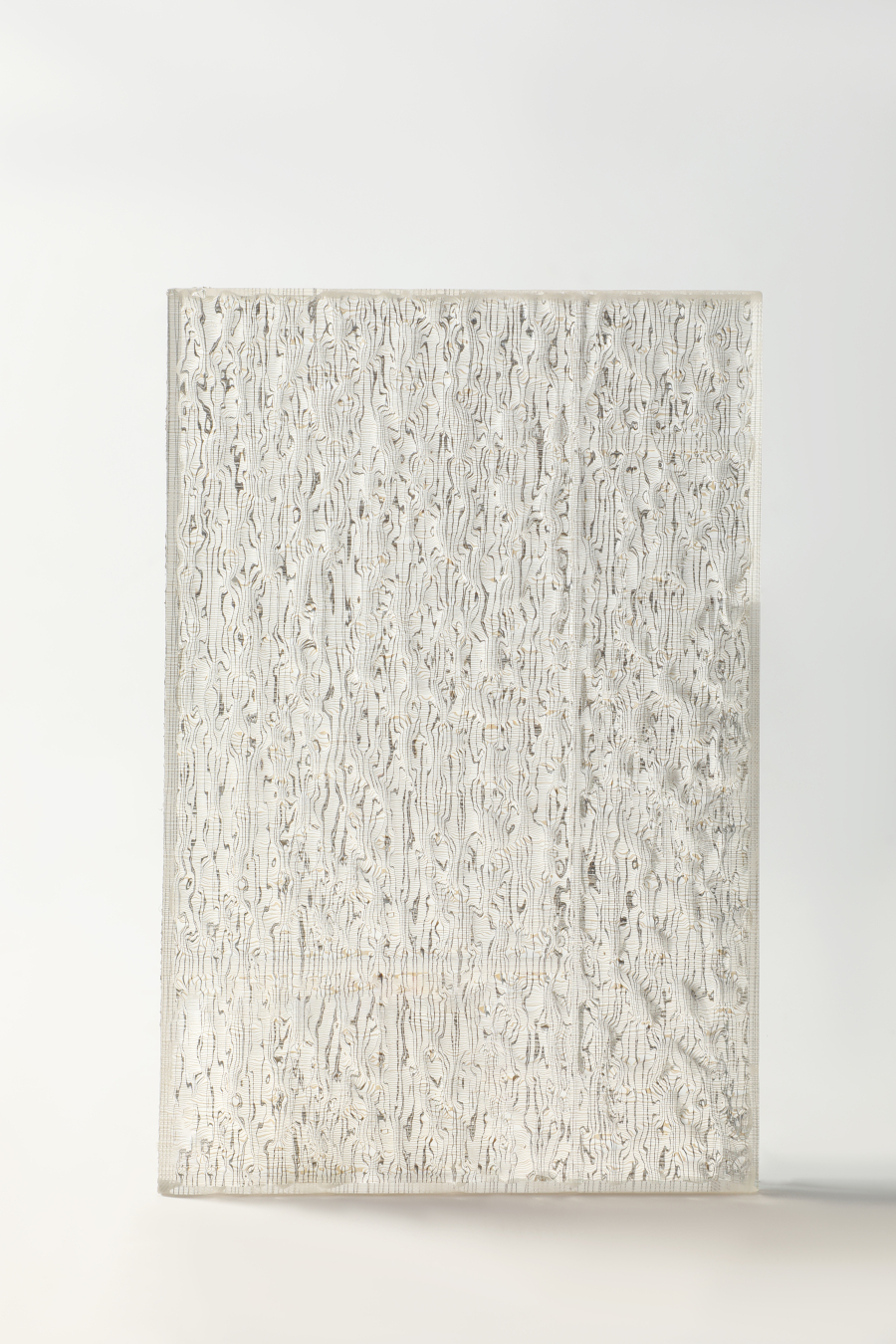
Textured Wired Glass

Attention
Care and Maintenance Guide for Rippling Waves Art Glass
I. Standard Cleaning Procedure (General)
1. Allowed Cleaning Tools
- Microfiber cloth, pure cotton cloth, soft sponge, small wool brush, rubber squeegee, lint-free chamois
- Prohibited: steel wool, hard side of a scrub sponge, utility knife blades, stiff brushes, sandpaper, metal scrapers – these will easily cause permanent scratches and damage the coating and tempered stress layer.
2. Approved Cleaning Agents
Daily light dust: wipe with clean water for a clear, streak-free finish.
Fingerprints, light grease: neutral dish soap diluted in warm water (1:50) or a dedicated neutral glass cleaner.
Bathroom hard water stains, water spots: mix white vinegar with water (1:10), spray on, let sit for 5 minutes, wipe with a soft cloth, then rinse thoroughly with clean water to prevent vinegar residue from corroding the sealant.
Adhesive residue, paint, stickers: dab with a small amount of anhydrous alcohol, testing first on an inconspicuous corner; do not soak the coated surface extensively.
3. Strictly Forbidden Chemicals
- Strong acids: toilet bowl cleaner, oxalic acid, hydrofluoric acid, rust remover
- Strong alkalis: caustic soda, drain cleaner, high-concentration bleach
- Abrasive scouring powder, heavy-duty tile cleaners
These chemicals will corrode the laminated PVB interlayer and glass surface, leading to whitening, de-lamination, thermal insulation failure, and yellowing or separation of the interlayer.
4. Key Wiping Techniques
1. First remove loose dust with a dry cloth to avoid particle friction scratching the glass.
2. Clean on cloudy days, early morning, or evening. Do not wash under direct midday sun or high temperatures, as rapid evaporation of cleaning liquid creates stubborn water marks, and extreme temperature differences may cause thermal stress cracking.
3. Squeegee in one direction from top to bottom; promptly dry standing water along edges and sealant joints to prevent moisture from seeping into the sealing layer.
4. For etched, embossed, or frosted glass, wipe gently along the grain direction. Use a wool brush to clean crevices; do not flood with water or soak.
5. Cleaning frequency: ordinary windows and doors every 2–3 months; bathrooms, street-facing, and coastal dusty environments should be cleaned monthly.
II. Specific Care Guidelines by Product Type
(A) Laminated Safety Glass (Railings, Skylights, Stair Treads)
1. Do not expose to strong acids or alkalis for prolonged periods, which accelerate yellowing and de-lamination of the PVB/SGP interlayer.
2. After rain, promptly remove standing water, leaves, and mud from laminated skylight glass; prolonged moisture can foster mold growth and penetrate the interlayer.
3. If surface cracks or expanding bubbles are discovered, stop using immediately and arrange inspection to prevent the entire pane from falling out upon impact.
(B) Bathroom Shower Enclosure Glass
1. After each shower, squeegee off water droplets. Perform a descaling treatment once a week to prevent mineral deposits from forming permanent white spots.
2. Apply silicone-based lubricant to hinges and rollers every six months to keep sliding smooth.
3. Replace bottom sealing strips promptly if they turn black, develop mold, or crack, to prevent water penetration that corrodes the bottom edge of the glass.
III. Daily Safety Precautions
1. Edges are the weak point of tempered glass.
Strictly avoid impacting or bumping the four corners and edges; edge damage dramatically increases the risk of spontaneous breakage. Handle gently during moving and installation; keep furniture, metal, and hard objects away from glass edges.
2. Proper Load Handling
- Push/pull doors and windows gently; do not slam or swing forcefully.
- Do not climb or hang heavy objects on glass railings; prevent children from forcefully impacting them.
- Do not stick large, heavy advertisements or hanging items on the glass surface, as uneven local stress can cause cracking.
3. Temperature Don’ts
- Never splash cold water directly onto hot glass (e.g., after prolonged sun exposure, just after sauna, hot countertop).
- In winter when indoor-outdoor temperature difference is large, avoid directing a large amount of boiling water vapor straight onto cold glass.
4. Environmental Protection
- In coastal high-salt-spray areas, regularly rinse exterior surfaces with clean water; long-term salt adhesion corrodes glass and sealant.
- During renovation, prevent mortar splashes, putty, and paint from dripping onto the glass. If adhered, clean promptly with warm water and a soft cloth; once fully dried, it becomes extremely difficult to remove.
IV. Hardware and Seal Matching Maintenance (Extending Overall Glass Lifespan)
1. Every six months, clean sand and dust from door/window tracks, hinges, and railing fixings, then apply lubricating grease to prevent jamming that can cause stress and glass cracking.
2. If sealant or sealing strips show cracking, hardening, detachment, or water seepage, promptly reapply neutral weather-resistant sealant or replace the strips.
3. Regularly clear drainage holes to prevent rainwater from backing up into the glass cavity.
V. Fault Identification and Handling Suggestions
1. Fine dense scratches on the glass surface: light scratches can be professionally polished; deep scratches cannot be repaired, replacement is recommended.
2. Fogging or water droplets inside insulating glass unit: seal failure, no repair option, replace the insulating glass unit.
3. Yellowing, bubbles, or de-lamination in laminated glass interlayer: aged interlayer, safety hazard, replace promptly.
4. Radial cracks or star-shaped breakage: stop use immediately to prevent shattering injury; contact after-sales for replacement.
VI. Long-Term Care Summary
1. Three Don’ts of Cleaning: No hard tools, no strong acids/alkalis, no cleaning at high temperature.
2. Three Protections of Use: Protect edges, avoid sudden heating or cooling, avoid single-point heavy pressure.
3. Three Regular Checks: Check sealant, check hardware firmness, check glass for cracks or fogging.


