


Textured Coating

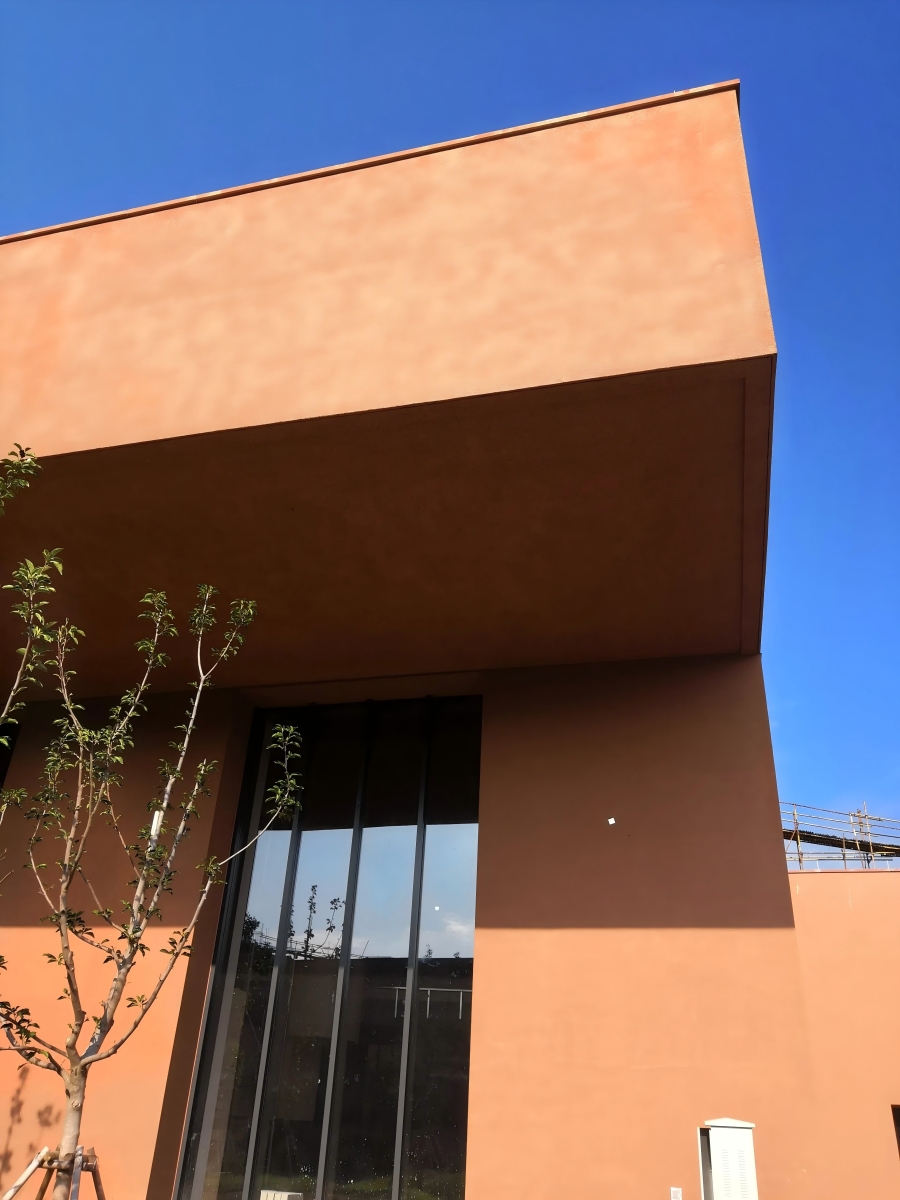
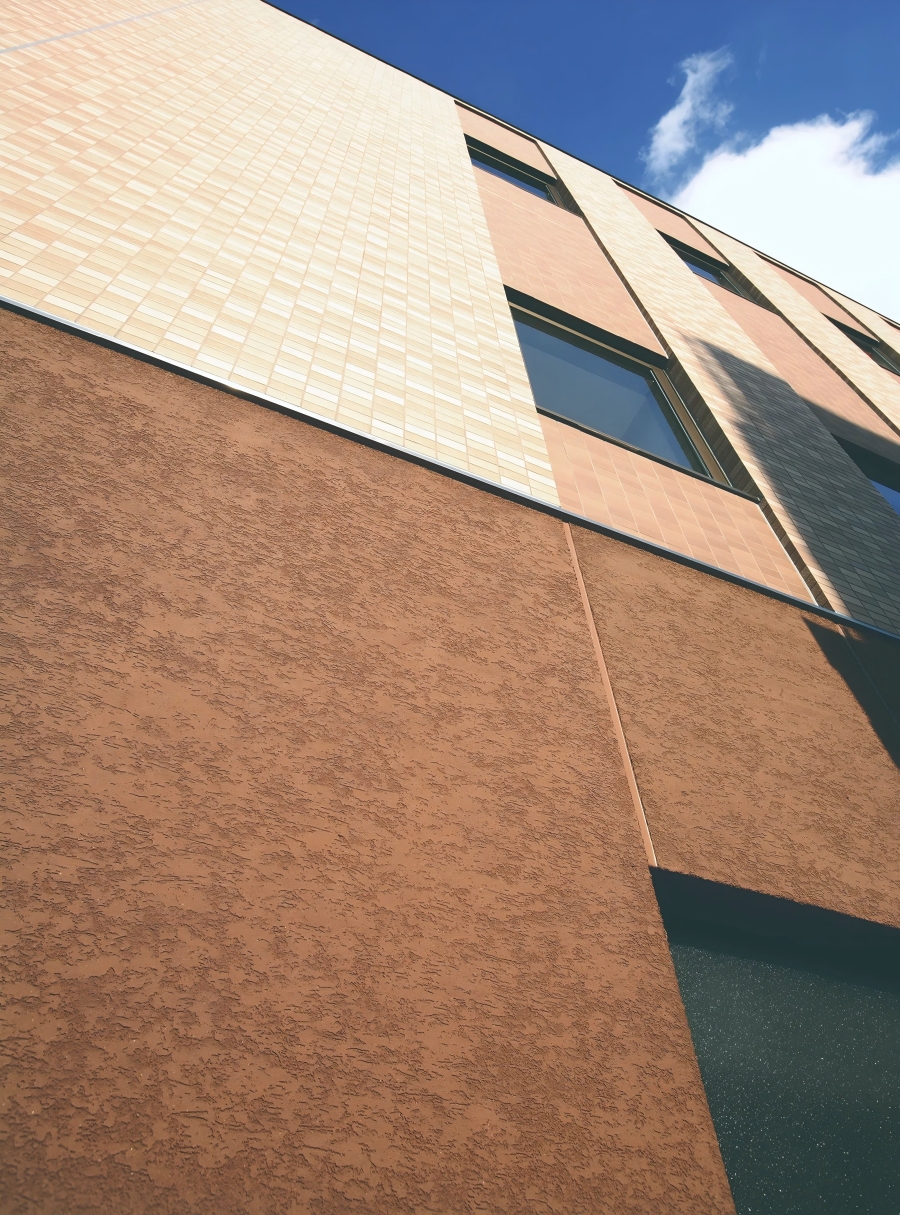
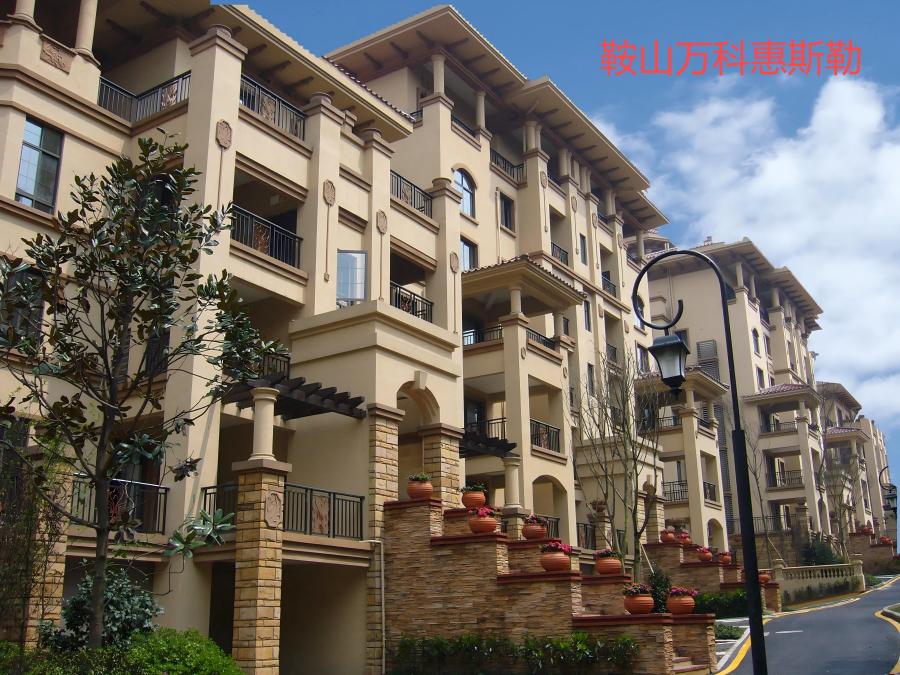
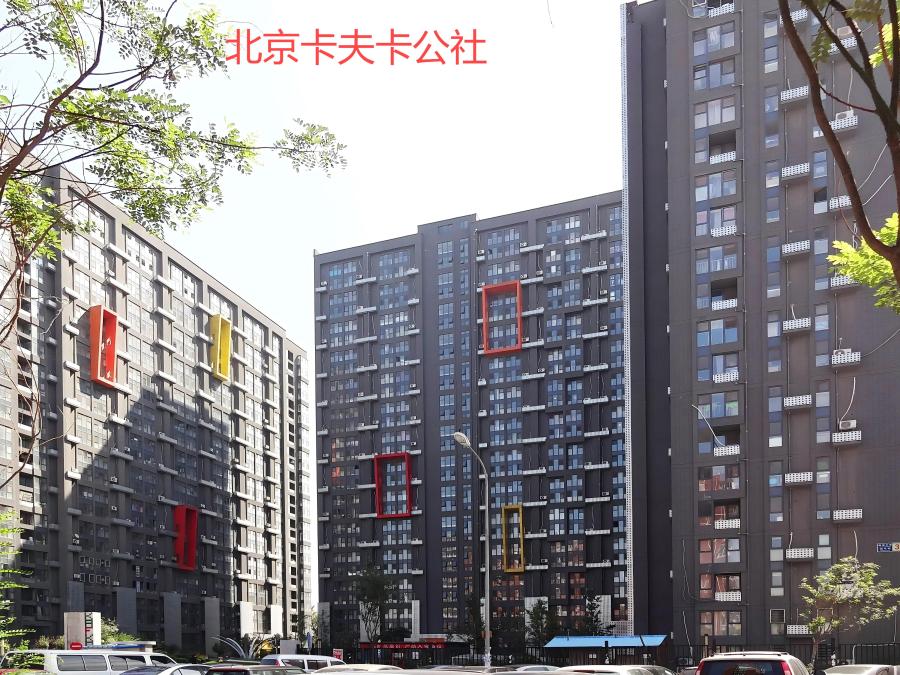
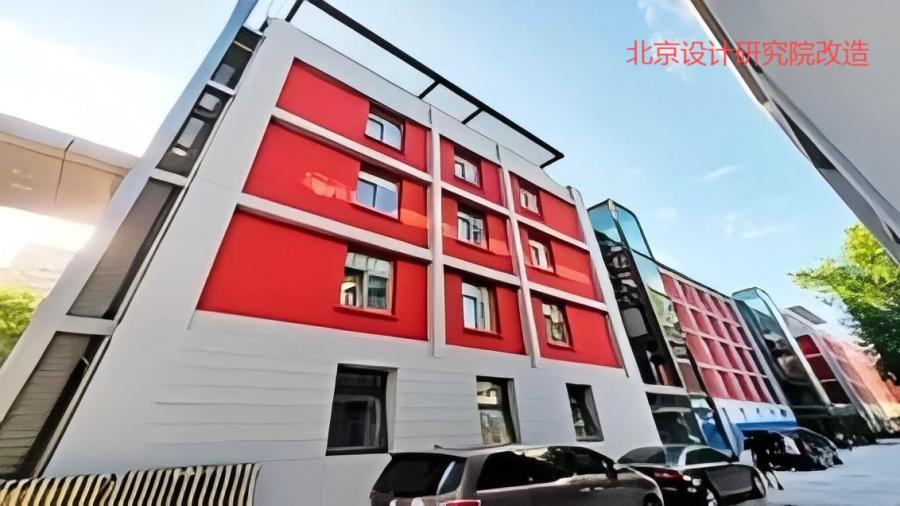
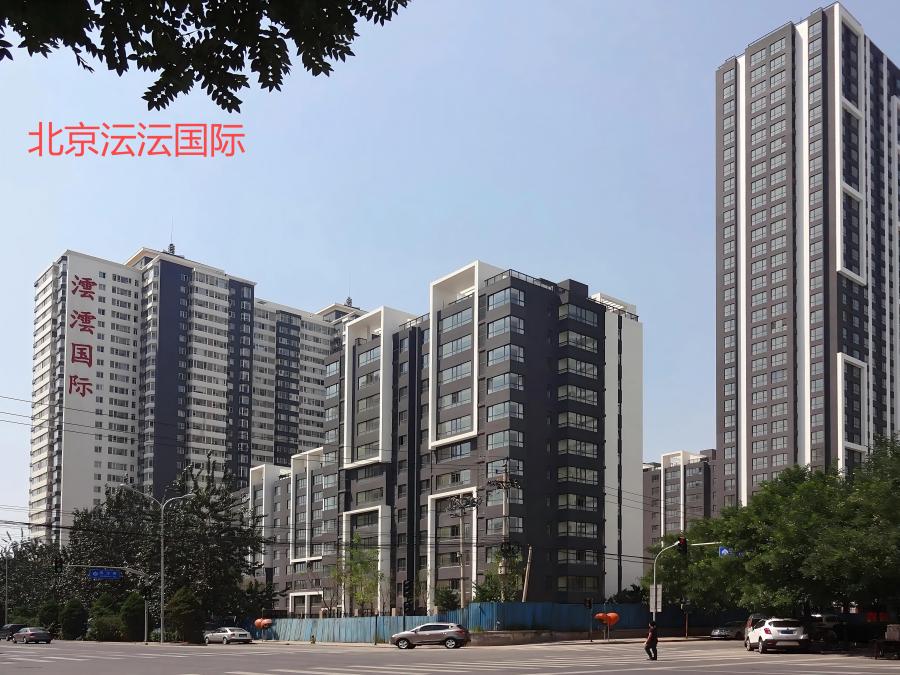
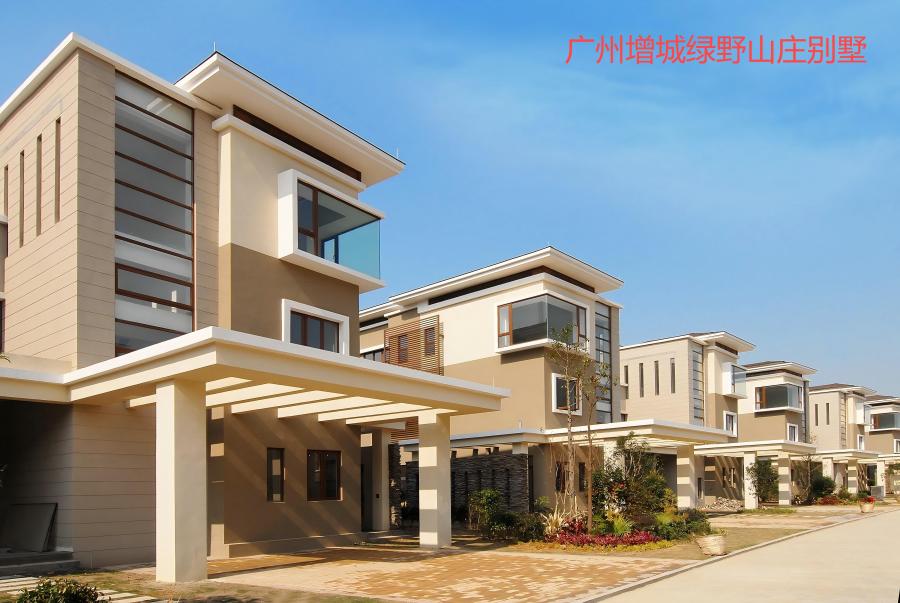
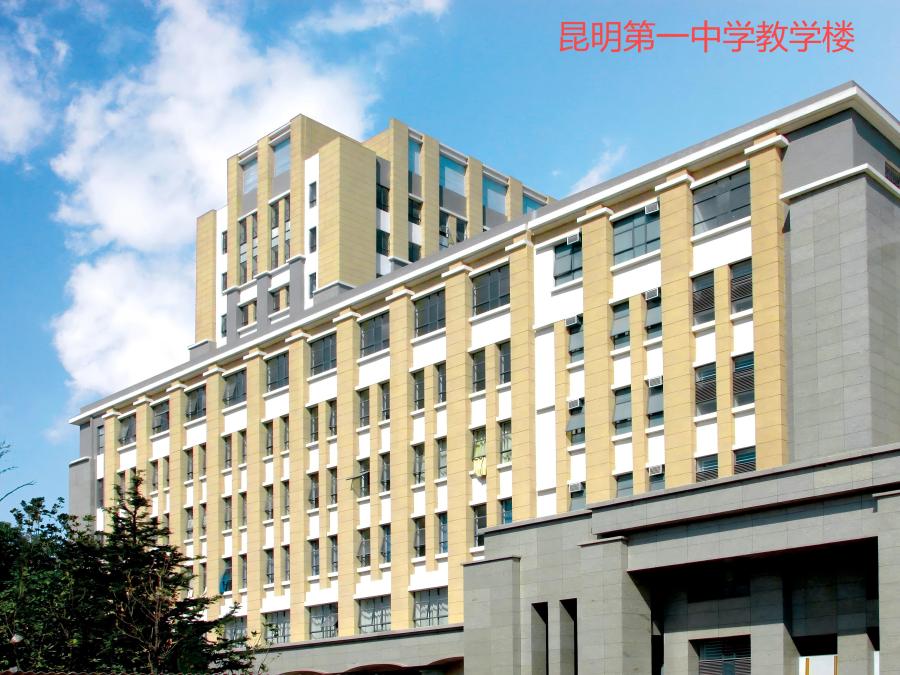
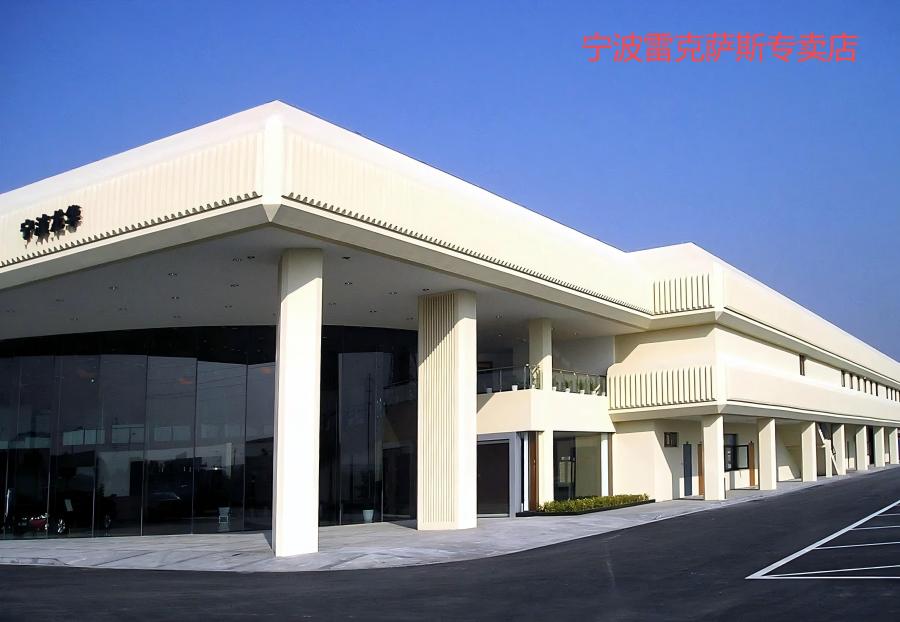
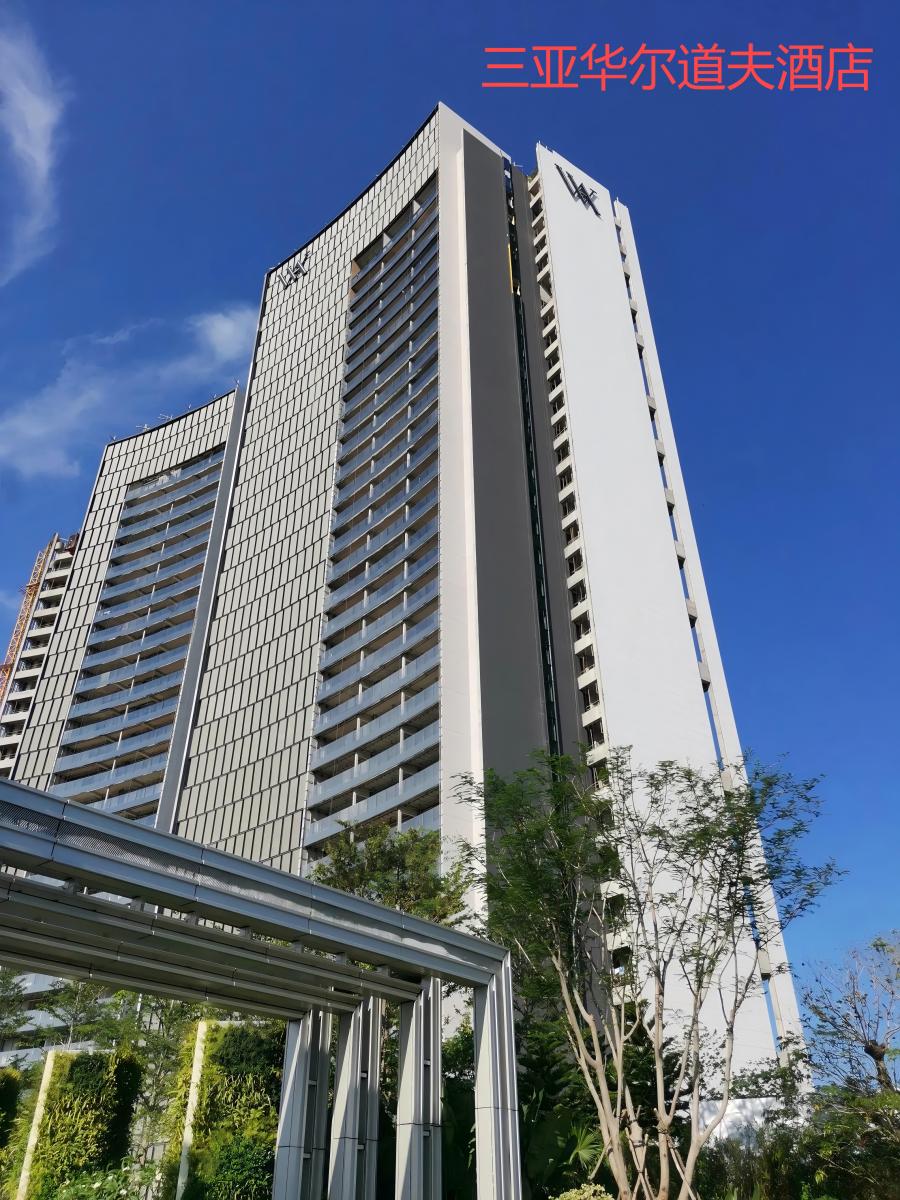
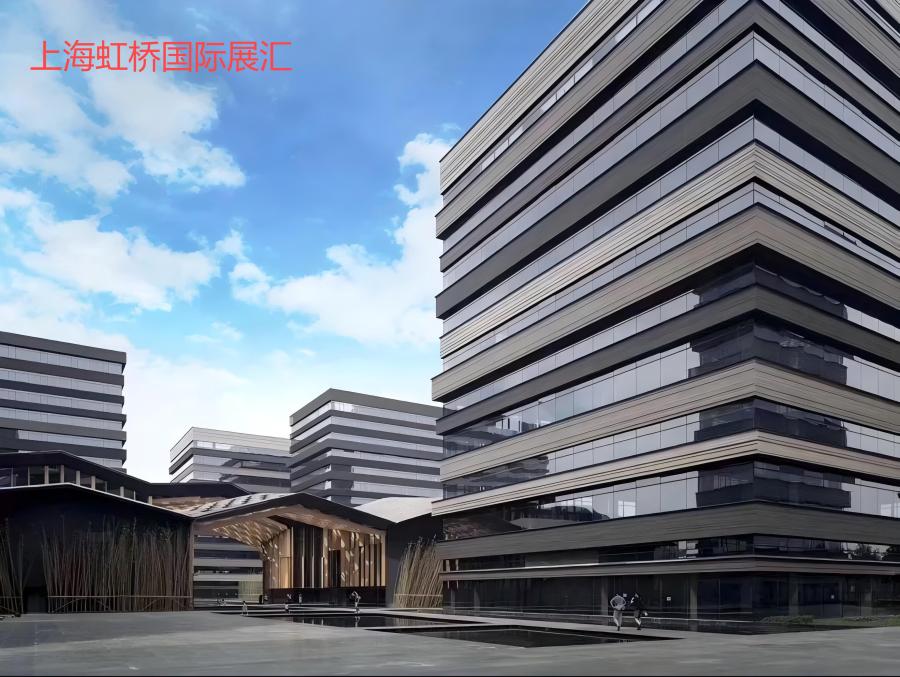
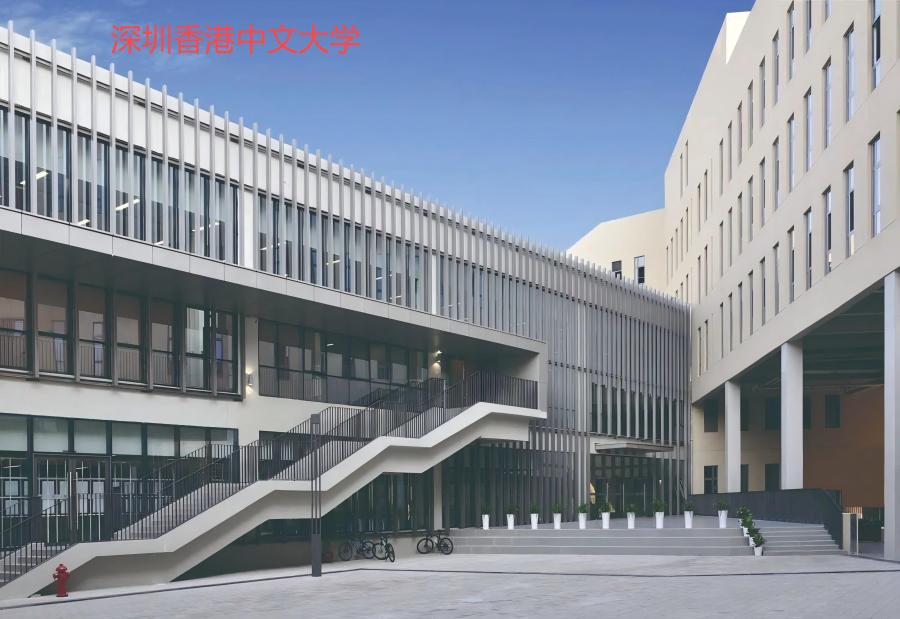
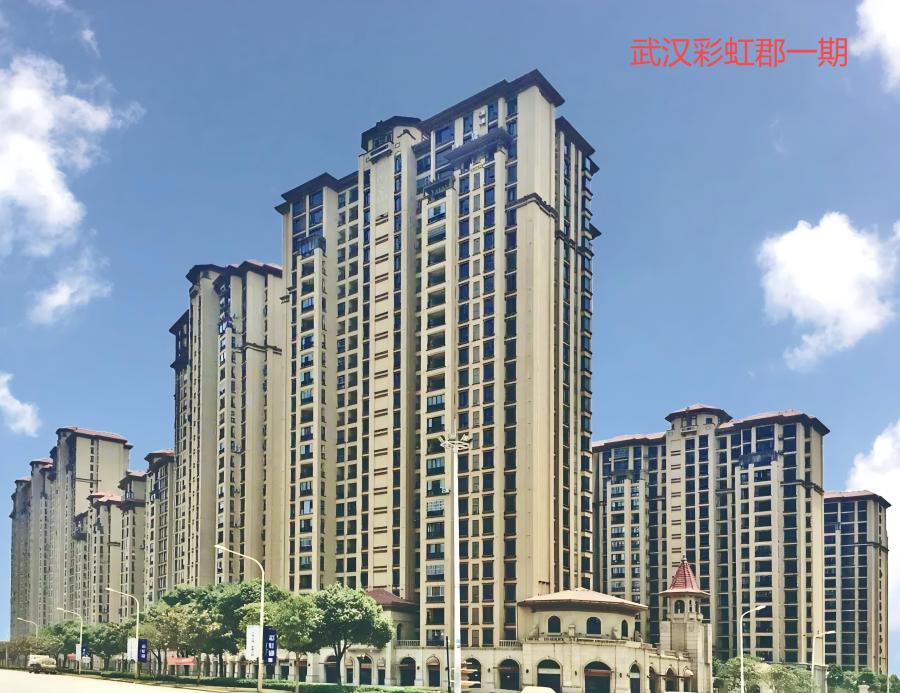
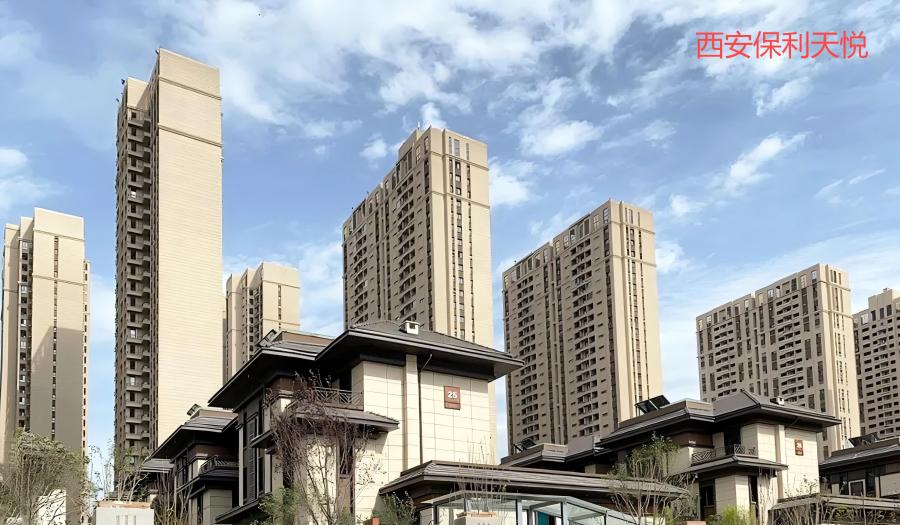
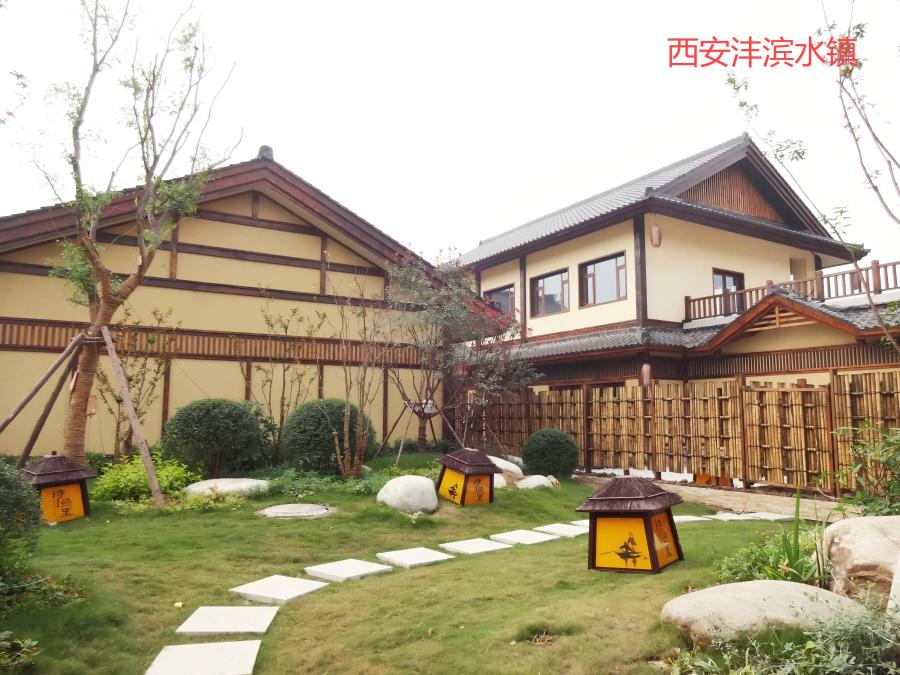
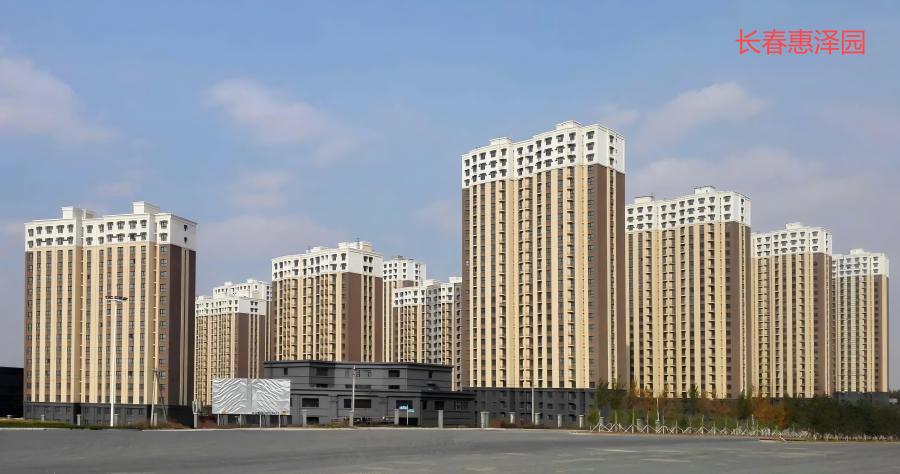
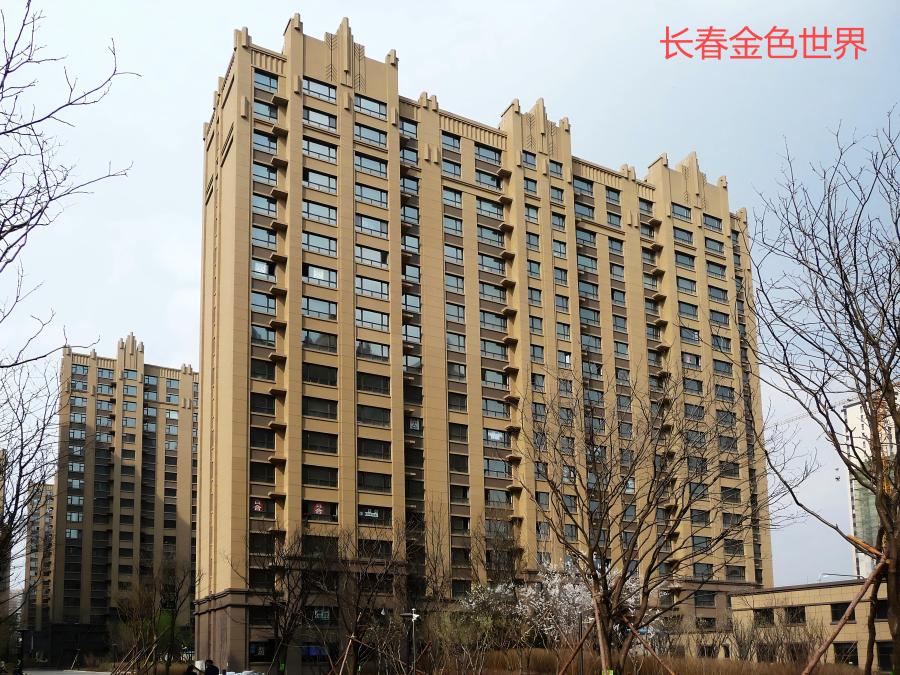
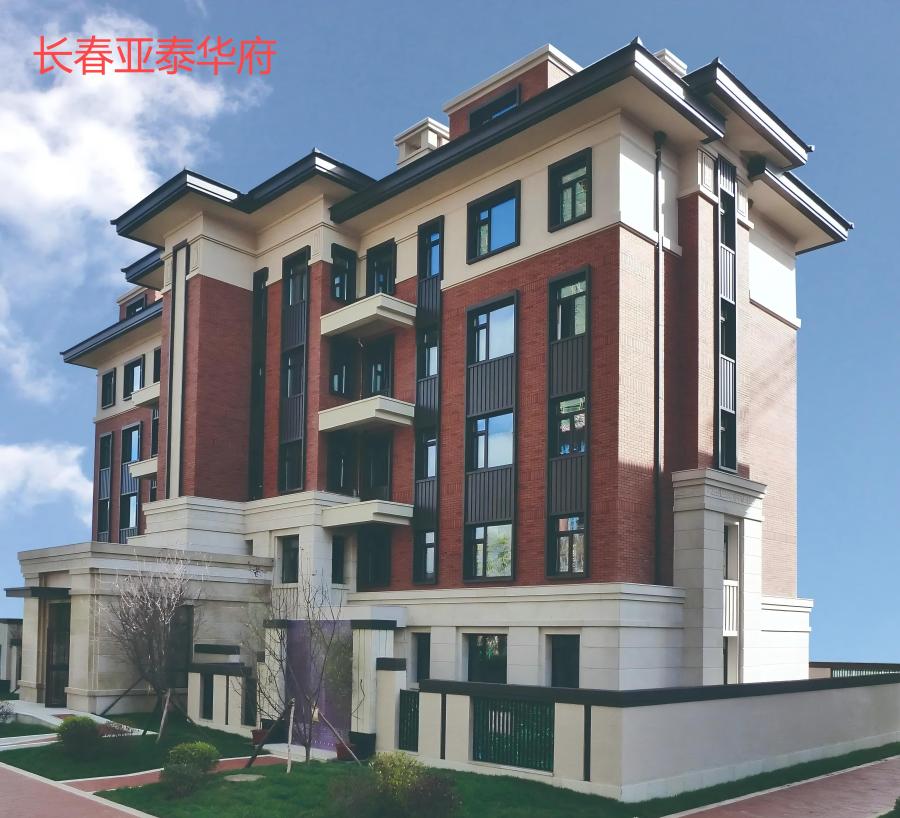
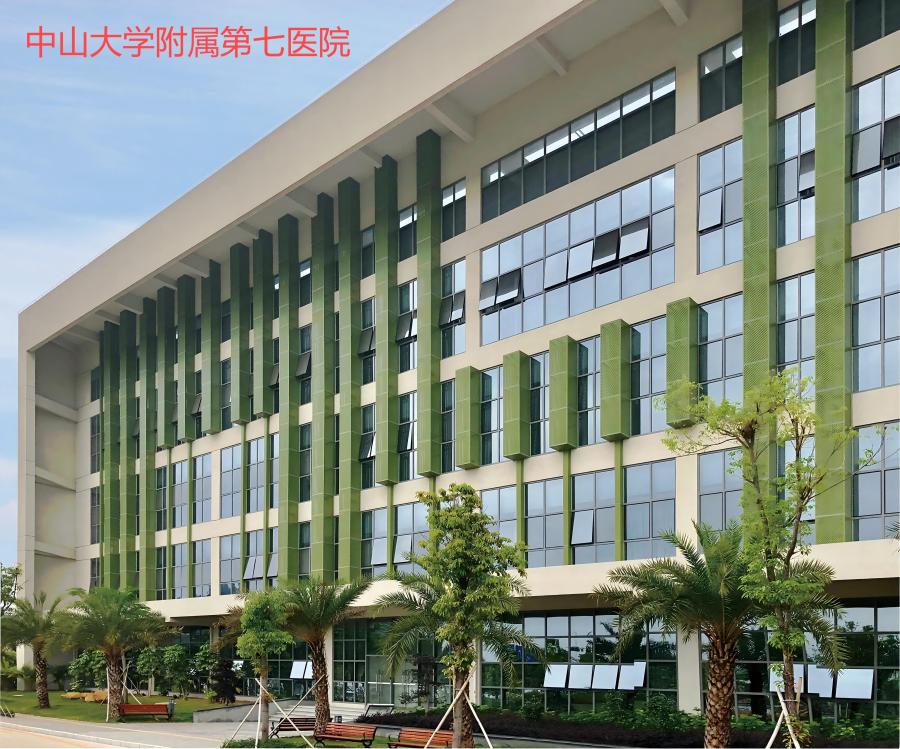
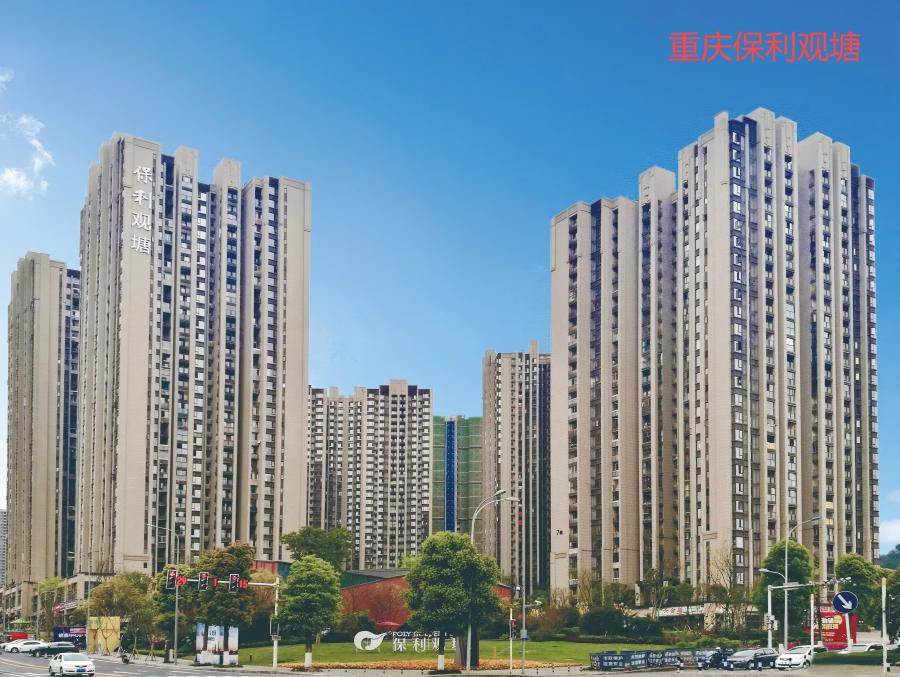

Details
Key Features
1. Excellent Durability – High-quality acrylic resin ensures long-lasting film performance.
2. Superior Adhesion – Bonds strongly to a wide range of substrates, whether new construction or renovation.
3. Unique Artistic Effects – Achieve diverse, customized textures and patterns using spray guns, trowels, rollers, brushes and more, expressing a distinctive design aesthetic.
4. Mold & Algae Resistance – Strong resistance to microbial growth helps maintain a healthy, hygienic living environment.
5. Safe & Eco-Friendly – Water-based formula optimized for low environmental impact; virtually odorless during and after application.
Attention
Important Precautions for Application
This manual describes general application procedures. Application methods may vary depending on the type, condition, and intended use of the wall surface. For details, please consult our sales representatives or refer to the application manual.
1. On ALC panels, porous substrates, rough surfaces, renovation work, or any other problematic substrate, use SK Base Putty (powder: 20 kg bag, mixing liquid: 10 kg can) or Meile Repair Material KC-1000 (powder: 20 kg bag, mixing liquid: 5 kg can) as a surface preparation material to condition the substrate.
2. If the substrate is concrete, remove any foreign matter and ensure it is thoroughly dry. The moisture content should be below 10% and the pH below 10.
3. For highly absorbent substrates, surfaces where partial preparation results in significantly different absorption rates compared to the rest of the surface, renovation substrates, or substrates such as calcium silicate board or stone board, an appropriate primer must be selected. For details, please contact your nearest sales office.
4. When thinning coatings, always use the specified thinner. Improper thinning can cause viscosity problems, or lead to sagging, penetration, blurring, and other issues during application. Also pay attention to adjusting the air pressure during spray application.
5. Never thin ready-mixed coatings after they have been blended, or mix them with other materials, as this will degrade the performance of the coating film. Such practices must be avoided absolutely.
6. Strictly follow the application rates and recoat intervals specified in each standard application procedure. Take special care with the topcoat application step: failure to observe the specified timing will prevent achieving a perfect finish.
7. For spray application, use a compressor with at least 2 horsepower (HP).
8. When using solvent-based materials during renovation work, the solvent may penetrate the existing coating film and cause abnormal swelling, shrinkage, etc. Always carry out a test application beforehand and confirm there are no issues before proceeding with the full application.
9. When applying directly over a sealer, the coating may not adhere properly depending on the type or age of the sealer. In addition, due to interaction with the sealer, its components (such as silicone oil) may migrate to the coating surface and contaminate the finish. Therefore, exercise caution when applying over sealers. For details, please consult your nearest sales office.
10. When applying primer with a roller, use a W-2 roller (W-2 roller, medium nap). Do not roll in only one direction; for good workmanship, move the roller up, down, left, and right to ensure even coverage. Also, if the coated surface is slightly dry after application and then rolled over again, the surface quality will suffer.
11. In winter or high-humidity conditions, drying will be slower. Ensure good ventilation and allow sufficient drying/curing time. As a general rule, avoid application when the temperature is below 5°C (41°F) or the relative humidity is above 85%. If application is unavoidable, use heating or heat curing to raise both the ambient temperature and the substrate surface temperature to at least 5°C.


