
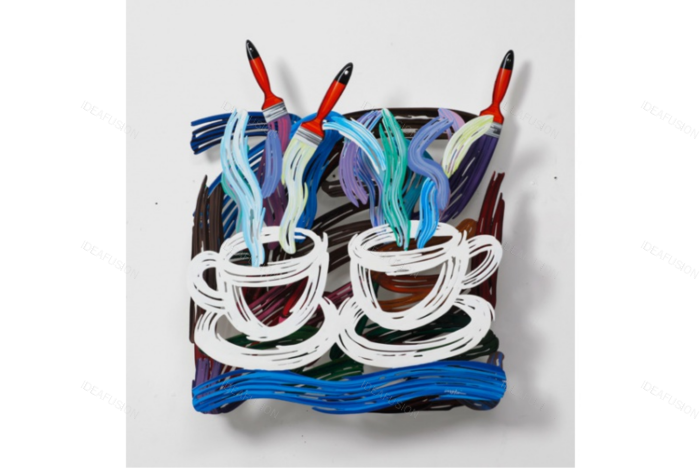


It's a Date

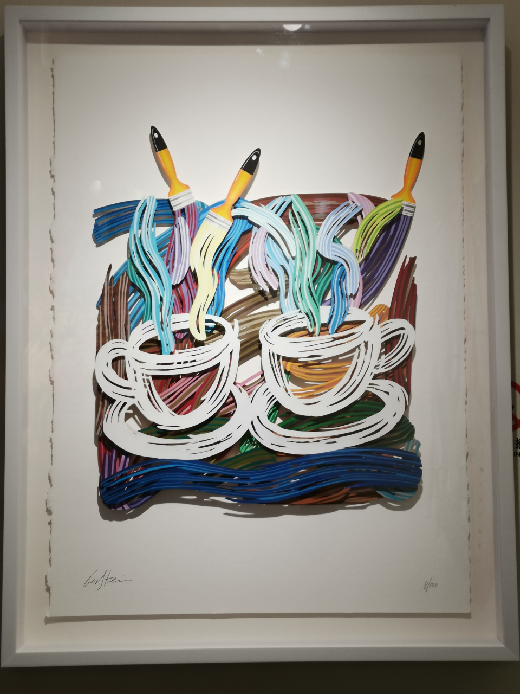
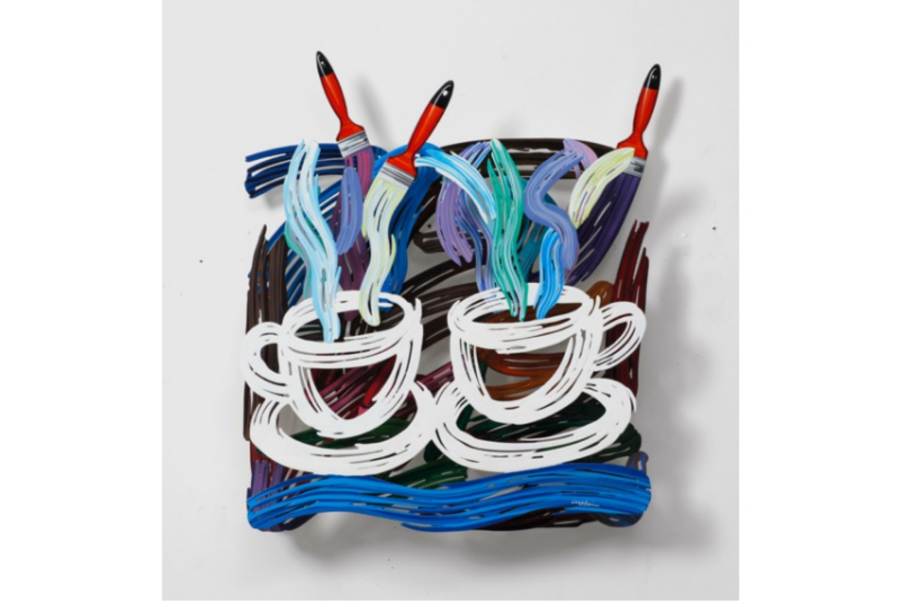



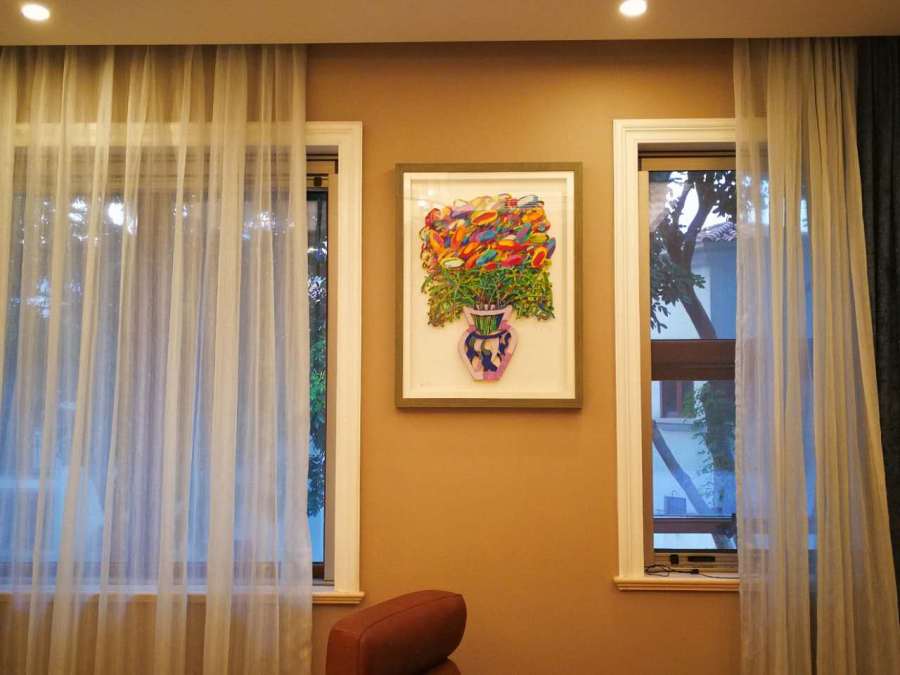
Details
Attention
Important Notes:
1. Protection starts with transportation
When moving the artwork, always use both hands to support the sides of the frame, keeping the painted surface facing you. Avoid any direct contact with the painting—dirt, natural oils, and contaminants from your fingers can permanently stain the surface.
Transport and handling pose the greatest risk of damage. Always wear clean gloves when moving or shipping the piece.
2. Light exposure
Keep the artwork out of direct sunlight. Ultraviolet light seriously damages pigments, accelerating oxidation and leading to fading or color shifts.
For display lighting, choose soft, diffused natural daylight, low-wattage incandescent bulbs, low-UV fluorescent tubes, or standard fluorescent tubes fitted with UV-filtering sleeves.
Position the artwork at least 5 to 6.5 feet (1.5–2 meters) away from any direct light source.
3. Temperature and humidity
The room where the painting is stored or displayed should be well ventilated. Keep it as far away from kitchens as possible, and maintain a stable, moderate temperature and humidity level.
4. Air pollutants and other factors
Surface grime can gradually damage the artwork, so keeping the piece clean is essential to its long-term care.
Dust the frame regularly using a soft natural-bristle brush, a fine art brush, or a clean, dry white cotton cloth. Always dust gently to avoid scratching or transferring dirt to the painted surface.


