


Silk Wallpaper

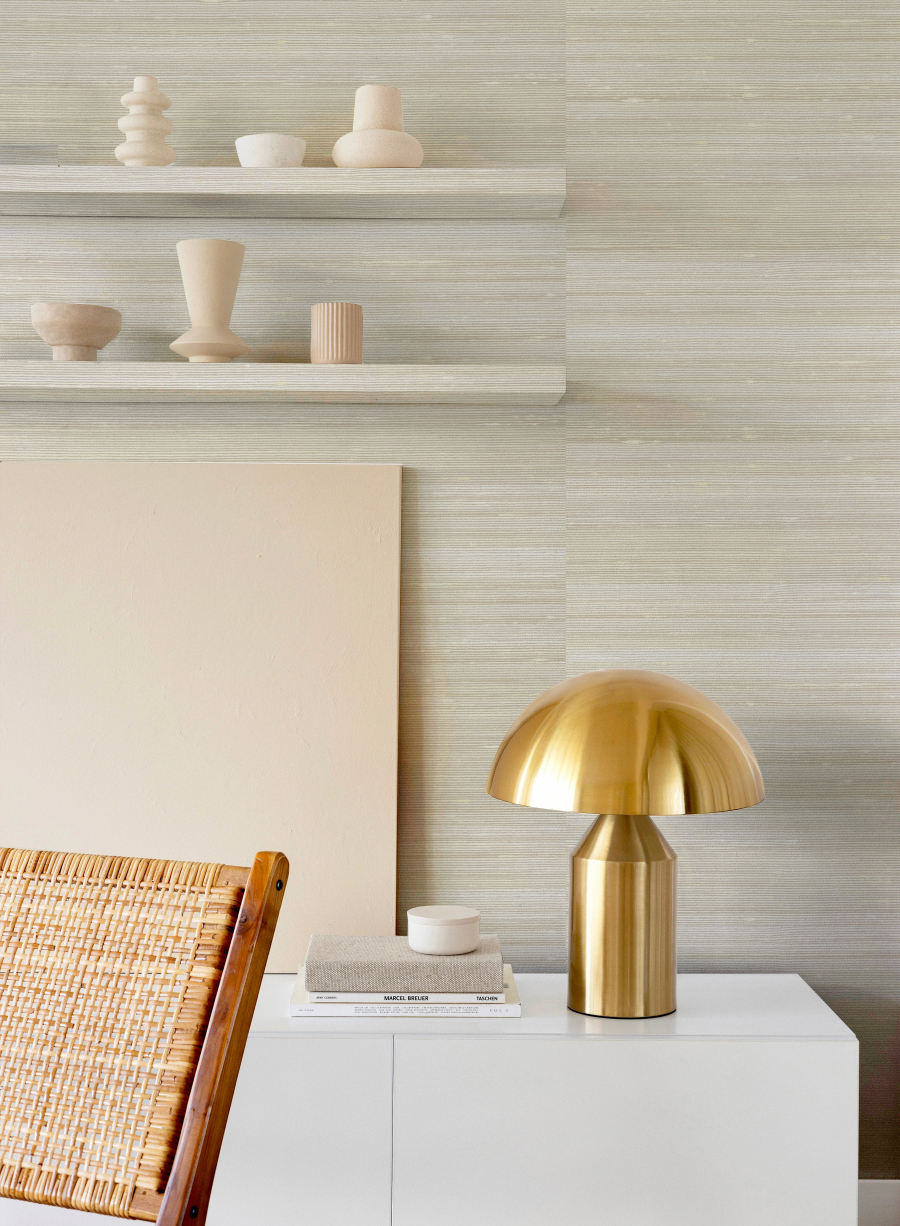
Details
Silk Wallpaper: Product and Craftsmanship Introduction
Silk wallpaper is a premium wallcovering material, composed of a face layer of natural silk fibers laminated onto a paper or non-woven backing. It brings the unique delicate luster and smooth touch of silk into interior spaces, endowing walls with a luxurious yet refined elegance. It is the ideal choice for high-end interior design, where artistry meets a sense of opulence.
I. Material Characteristics
The core value of silk wallpaper originates from the inherent properties of natural silk fiber.
Silk is a protein fiber extracted from silkworm cocoons, possessing a natural smooth touch and a soft sheen. Unlike the glaring brightness of synthetic materials, silk's luster is restrained and warm. Under light, it exhibits a delicate diffuse reflection and subtle color shifts—when viewed from different angles, the wall presents nuanced transitions of light and shade, akin to ripples on water. This visual effect is nearly impossible to replicate with imitation materials.
Regarding tactile sensation, the surface of silk wallpaper is smooth and delicate. A light touch reveals the unique warmth and coolness of silk, turning the wall into a palpable element of luxury. Additionally, silk fiber has excellent breathability and moisture absorption, helping to regulate the ambient humidity and create a more comfortable environment.
From an environmental perspective, natural silk is a renewable resource, and its processing involves no complex chemical treatments. High-quality silk wallpaper uses eco-friendly adhesives for lamination, resulting in a finished product that is odorless and free of harmful volatile compounds, meeting the stringent health and environmental standards of luxury residences and boutique hotels.
II. Structure and Craftsmanship
Silk wallpaper is not simply silk pasted onto a wall; it relies on a rigorous lamination process to balance decoration and durability.
Standard silk wallpaper typically employs a dual-layer structure: a silk face layer combined with a paper or non-woven backing. The face layer utilizes natural mulberry silk fabrics, which can range from plain silk, crepe satin, and jacquard silk to spun silk. Different weaving methods dictate the final sheen and texture. The backing, a high-strength paper or non-woven substrate, provides dimensional stability and ease of installation, preventing the silk from shrinking or sagging due to fluctuations in temperature and humidity.
The lamination of face layer and backing is a critical process. Premium products use water-based eco-friendly adhesives, applied by specialized equipment to bond the silk smoothly onto the substrate. This must ensure long-term resistance to bubbling and delamination without compromising the silk's surface sheen or hand feel. Some high-end custom products may even be laminated by hand by experienced artisans, ensuring ultimate flatness and texture integrity.
In terms of width, traditional silk wallpapers are usually standard widths, approximately 53 cm to 70 cm. Some brands offer wide-width custom options, reaching over 2.8 meters, allowing seamless application on large walls in living rooms or bedrooms for a more complete and fluid visual experience.
III. Texture and Visual Performance
What fundamentally sets silk wallpaper apart from all other wallpapers is its unique aesthetic of luster and tactile experience.
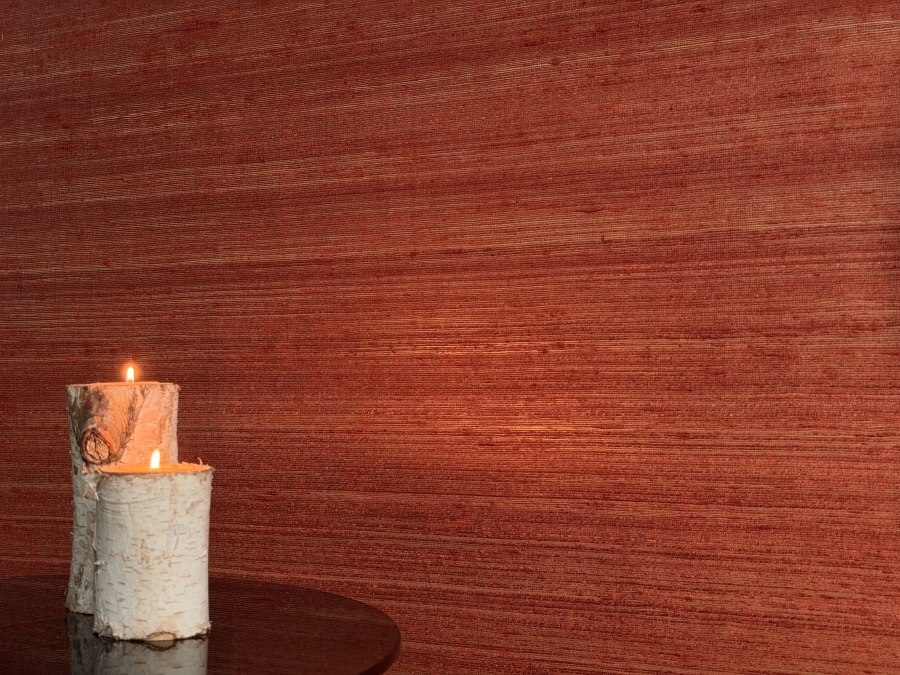
Layered luster is the most distinctive visual characteristic of silk wallpaper. The triangular cross-section structure of silk fibers causes light to refract multiple times, resulting in a soft, layered glow. Under natural light or warm artificial light, the wall radiates a pearl-like, gentle halo; as the viewing angle changes, the luster flows, imbuing the space with dynamic life. This effect is particularly pronounced on solid or light-colored silk wallpapers.
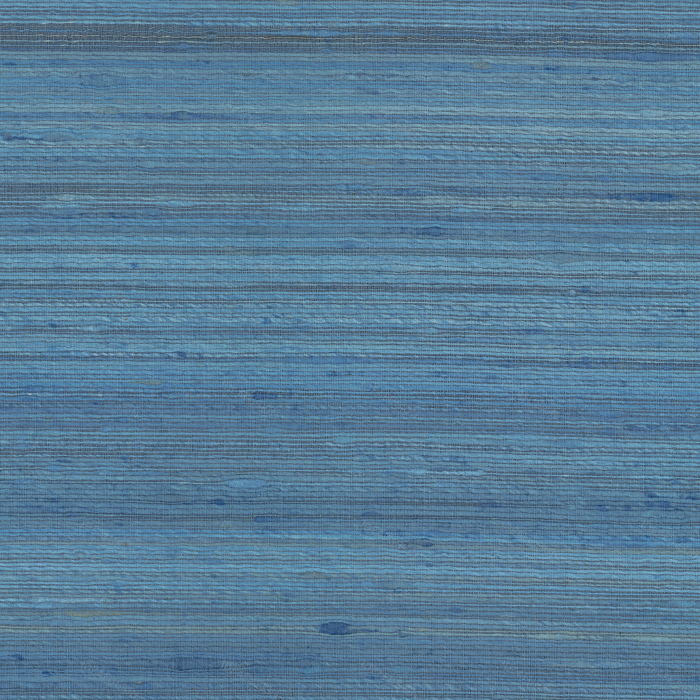
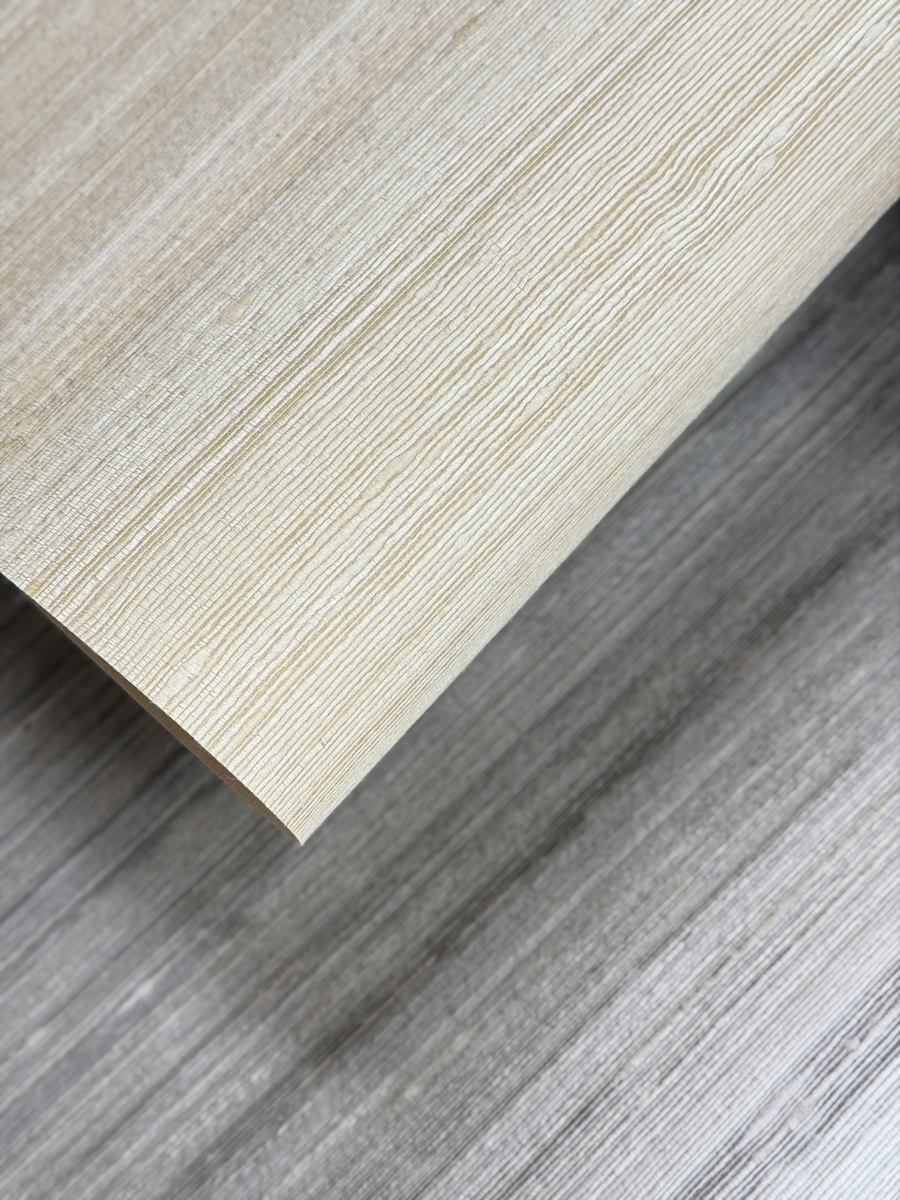
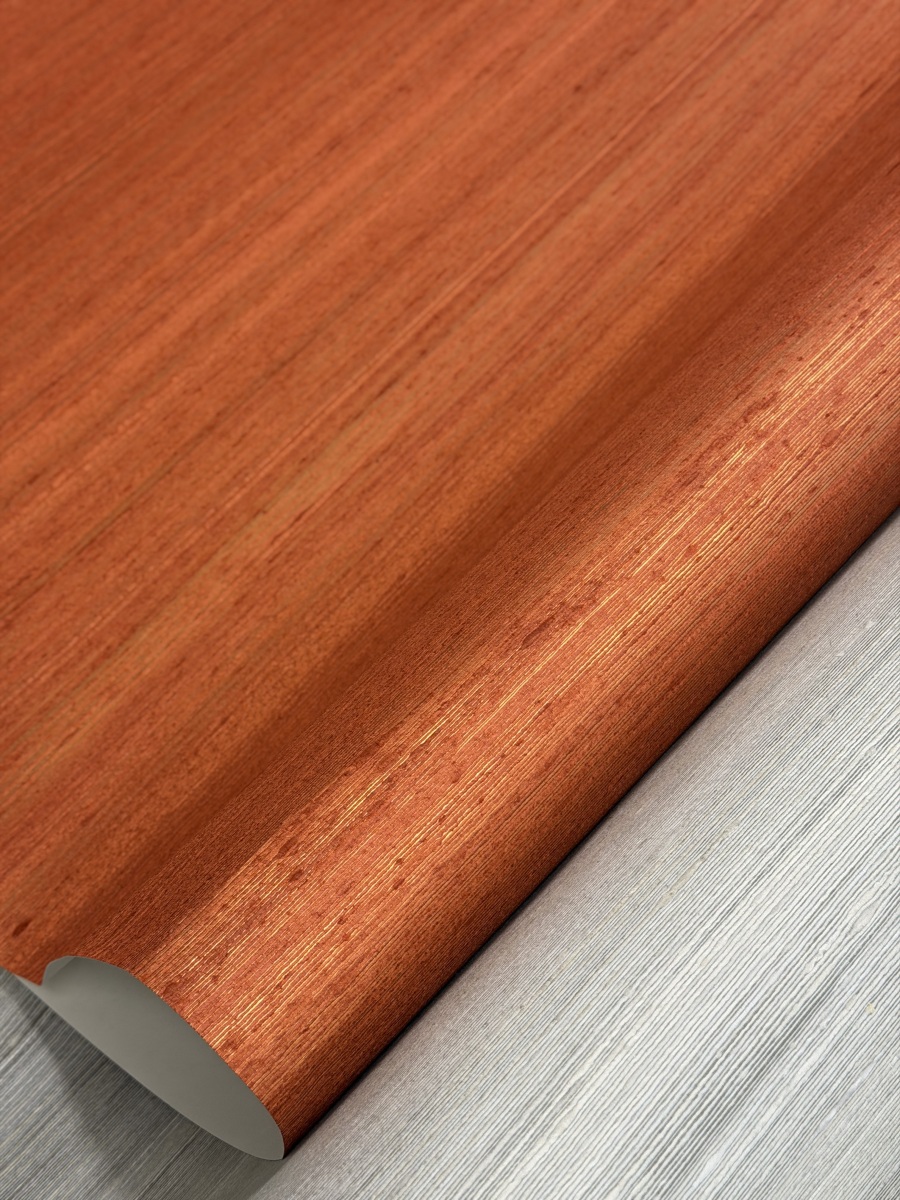
Color expression benefits from silk's excellent affinity for dyes, capable of delivering saturated and profound colors. Because the luster emanates from within the fiber, the color does not appear superficial but rather integrates with the material, creating a unique texture where "light resides within color, and color within light." Darker shades like dark green, navy blue, and burgundy exude opulence without being ostentatious; lighter tones such as off-white, champagne, and light gray reveal a warm luster from within their subtleness.
Textural details depend on the weaving technique of the silk. Plain silk has a smooth, flat surface with the most prominent luster, ideal for modern minimalist and luxury styles. Crepe satin features a subtle crinkled texture with a softer luster and a more handcrafted feel. Jacquard silk creates a woven-in, tone-on-tone or near-tone pattern on the fabric surface; its subtle, refined aesthetic makes it perfect for styles requiring detailed layering, such as modern Oriental or classic interiors. Spun silk, which retains shorter silk fibers, offers a light slub texture that conveys a sense of nature.
IV. Product Advantages
Inimitable luster—the luster of silk is a physical property determined by its natural fiber structure; no synthetic imitation can fully replicate its warm, flowing, and understated optical effect.
Ultimate tactile experience—the smoothness and coolness of silk fiber are instantly perceivable upon a gentle touch, elevating walls from a visual element to a touchable luxury.
Natural humidity regulation—silk fiber's excellent moisture absorption and release properties help modulate the microclimate of a space through seasonal changes, enhancing living comfort.
Eco-friendly and healthy—as a natural protein fiber, it generates no static electricity, resists dust adhesion, and is gentle on sensitive individuals, making it a superior choice for children's rooms, elder bedrooms, and master suites.
Visual noise reduction and comfort—silk's diffuse reflection properties soften light and reduce glare, creating a quiet and relaxing spatial atmosphere, particularly suited for areas needing to soothe emotions, such as hotel guest rooms and luxury residence bedrooms.
V. Style Adaptability
Silk wallpaper excels across various design styles.
In modern luxury and contemporary styles, solid-colored or subtly textured silk wallpaper is a classic choice. Neutral tones like off-white, light gray, and champagne, complemented by silk's luster, inject warm texture into a minimalist framework—understated yet decidedly sophisticated.
In modern Oriental style, jacquard silk wallpaper is highly favored. Damask patterns of plum blossoms, orchids, bamboo, chrysanthemums, landscape motifs, or geometric key patterns, illuminated by silk's sheen, project a restrained and elegant character, harmonizing perfectly with solid wood furniture and ink-wash paintings.
In European classical style, dark or deeply saturated silk wallpapers are often used on feature walls. Colors such as dark green, royal blue, and burgundy, combined with silk's luster, create a luxurious and poised atmosphere, forming rich layers with carved wainscoting and crystal chandeliers.
In wabi-sabi and natural styles, spun silk or crepe satin types are more suitable. Their slightly textured and unassuming surface offers the warmth of silk while retaining a rustic, handcrafted feel, coexisting harmoniously with natural materials like rattan, raw wood, and linen.
VI. Suitable Spaces
Silk wallpaper is widely used in master bedrooms, living room feature walls, studies, and walk-in closets of high-end residences, imparting elegance and luxury to private quarters. In boutique hotels, the headboard walls of executive suites, presidential suites, and premium guest rooms are classic settings for silk wallpaper. Private event rooms, cigar lounges, and tea rooms in exclusive clubs can also elevate spatial quality with it. Moreover, VIP rooms of flagship stores, high-end showrooms, and private art galleries—spaces that demand the highest material quality—are equally ideal for silk wallpaper application.
Attention
While silk wallcoverings offer an unmatched sense of luxury and texture, they do require a delicate approach to care.
For routine dust removal, use a vacuum cleaner with an ultra-soft brush attachment or gently wipe the surface with a clean, dry, soft cloth. Avoid using a damp cloth, as moisture can leave watermarks or cause the silk to shrink and distort.
Silk fibers are sensitive to sunlight; prolonged exposure to direct UV rays may lead to fading or fiber deterioration. In rooms with strong afternoon sun or excessive daylight, we recommend pairing the wallcovering with blackout curtains or blinds to preserve its beauty and extend its lifespan.
Installation should always be carried out by experienced professionals. The substrate must be perfectly flat, dry, and clean. Use only an eco-friendly adhesive specifically formulated for silk wallcoverings, applying it evenly and sparingly to prevent any seepage that could stain the surface or cause localized discoloration. During hanging, ensure hands are clean and dry to avoid transferring oils or moisture onto the silk.
For spot cleaning, we strongly advise consulting a specialist wallcovering cleaning service. If you choose to address a stain yourself, first test a small, inconspicuous area: lightly dab a clean, soft cloth moistened with a diluted mild, neutral cleaner, and check for any color change. If safe, gently dab the stain, then immediately blot with a dry, soft cloth and allow the area to air-dry thoroughly.


