
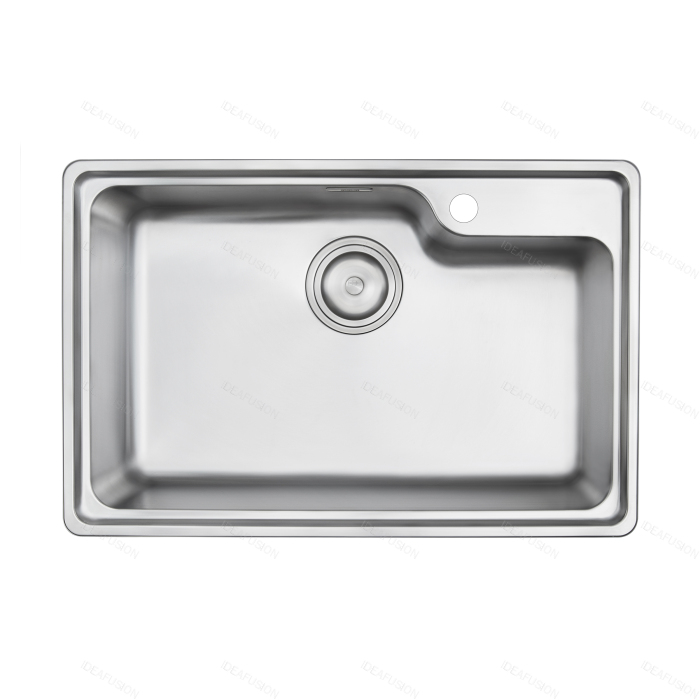


Stainless Steel Sink

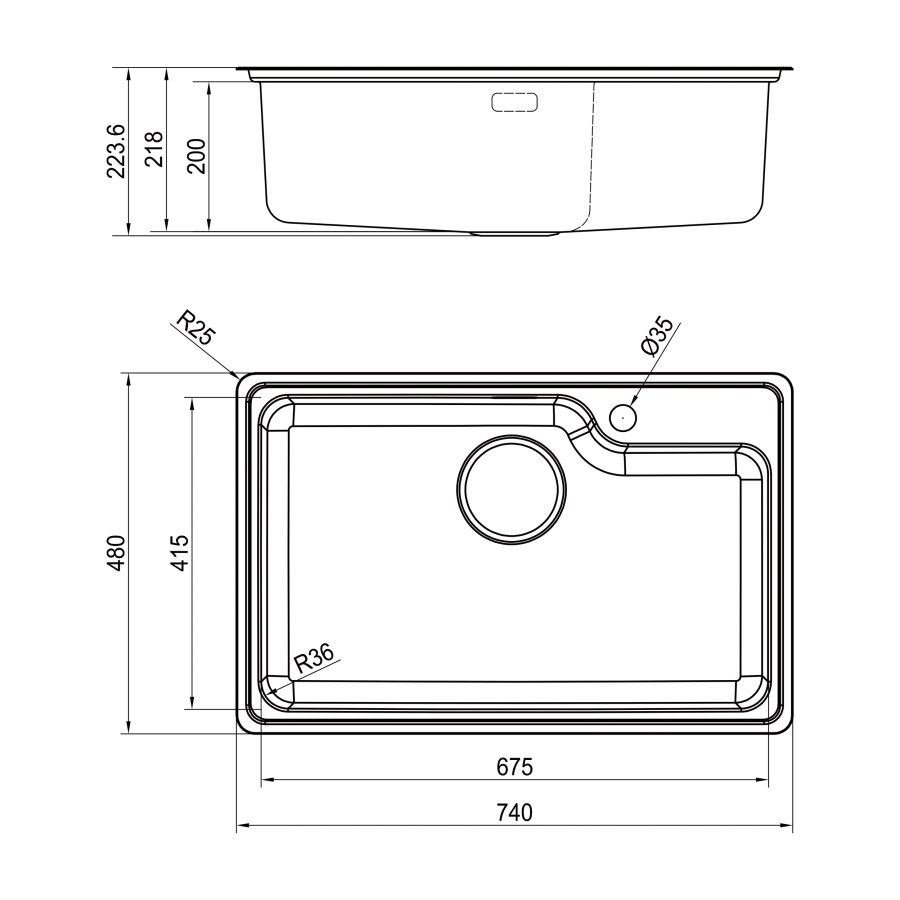
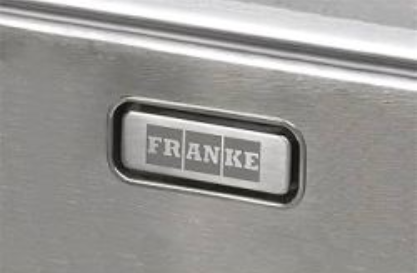
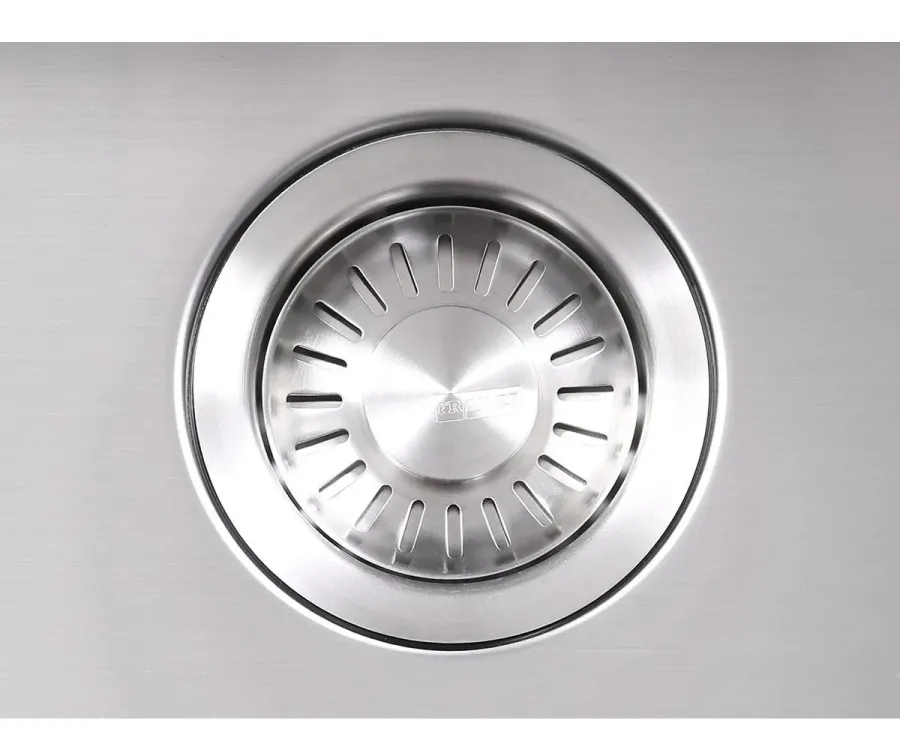
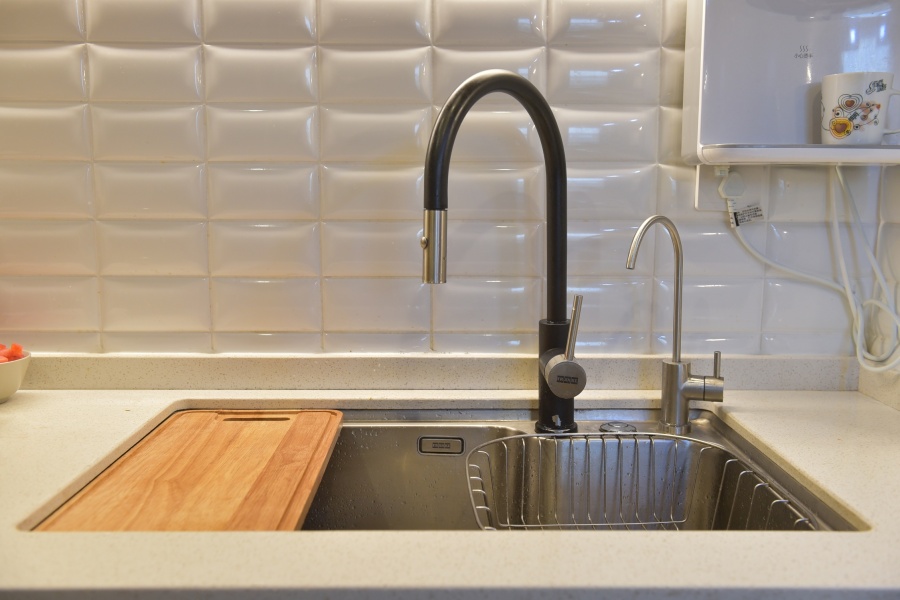
Details
Attention
− After-use care:
Clean the sink thoroughly after each use. Use a household cleaner (do not use industrial detergents) with a soft cloth or non-metallic flexible scrubbing pad. After removing grease, rinse with clean water. Stainless steel does not absorb dirt, so vigorous scrubbing is unnecessary and may scratch the surface. Do not use metal scouring pads, as metal particles can remain on the surface and cause rust spots; metal strands can also scratch the sink.
− Ongoing maintenance:
1. Corrosive foods such as mustard, vinegar, lemon juice, salt, and sauces can slowly etch the stainless steel if left on the surface for a long time, leaving stubborn marks. Rinse away any residue of these foods immediately.
2. Do not leave stained sponges, cloths, rubber mats, or soap on the sink surface for extended periods, as they may cause iron deposits, discoloration, or rust marks.
3. Do not let the sink hold water for a long time or come into contact with water containing heavy metals (hard water). Mineral elements in the water can gradually deposit at the bottom of the bowl, causing discoloration or even rust.
4. Avoid impacts from sharp, hard utensils, cookware, or vessels to prevent scratching or denting. This will keep the surface smooth and bright over time.
5. When using hot water from the faucet, do not use steam, as it may prematurely age the rubber seal rings.
6. Clean the faucet surface regularly with a soft cloth and a mild neutral cleaner, then rinse with water and dry with a dry cotton cloth. Never use acidic detergents, abrasive powders, or polishing powders, which can erode or scratch the finish. Also, avoid pouring very hot water or hot oil directly into the sink, as it may shorten the lifespan of the drainage system.
Caring for your stainless steel sink properly ensures it stays like new and contributes to a healthier home environment. This care guide will help you enjoy an elegant and healthy kitchen life.


