


Mantle











Details
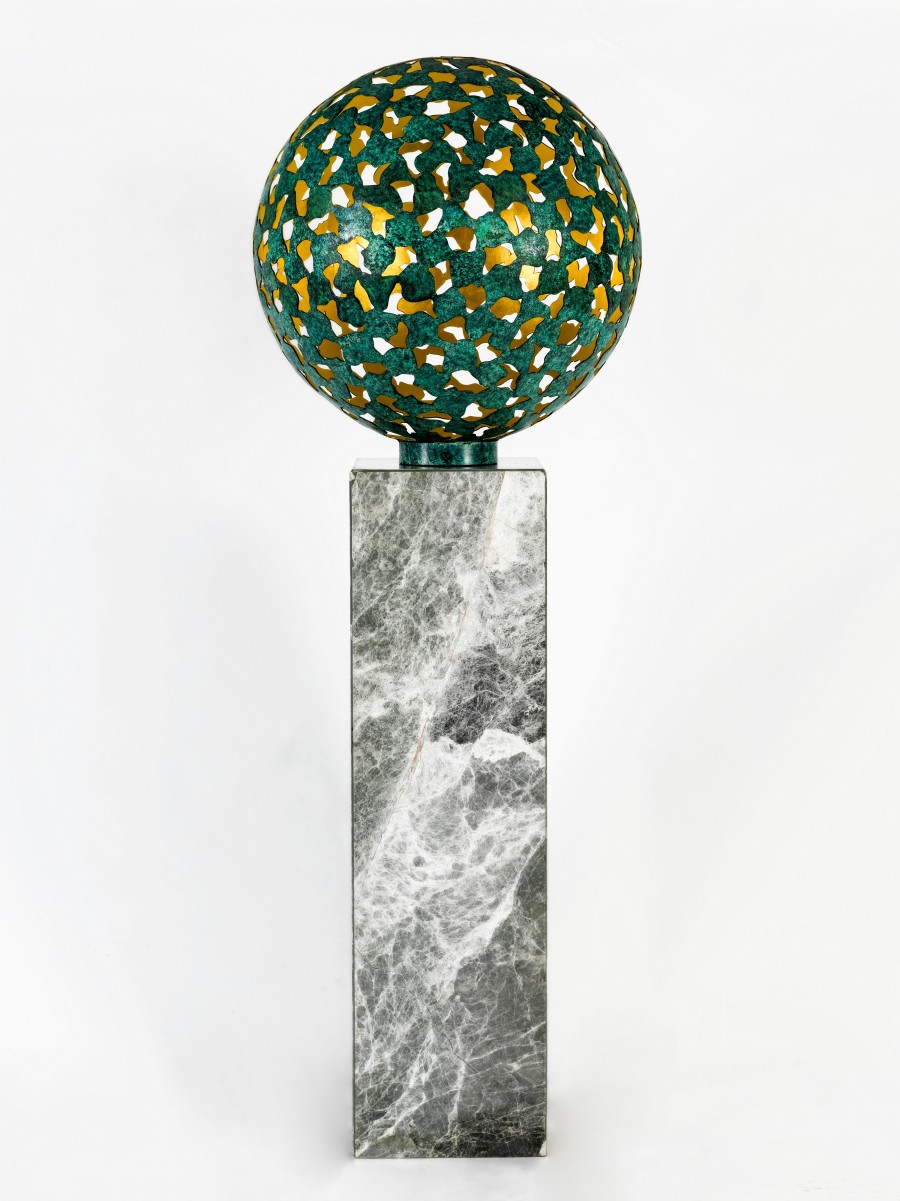
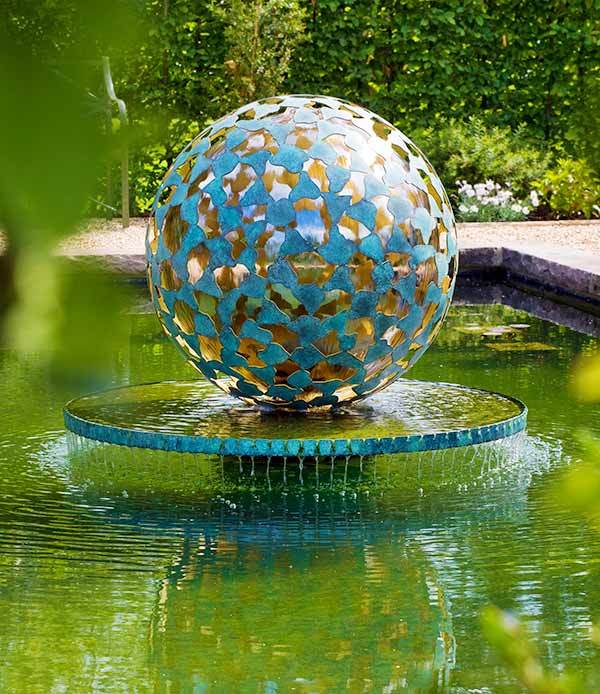
Name: Mantle
Material: Copper, gold leaf
Dimensions: 50x50 cm
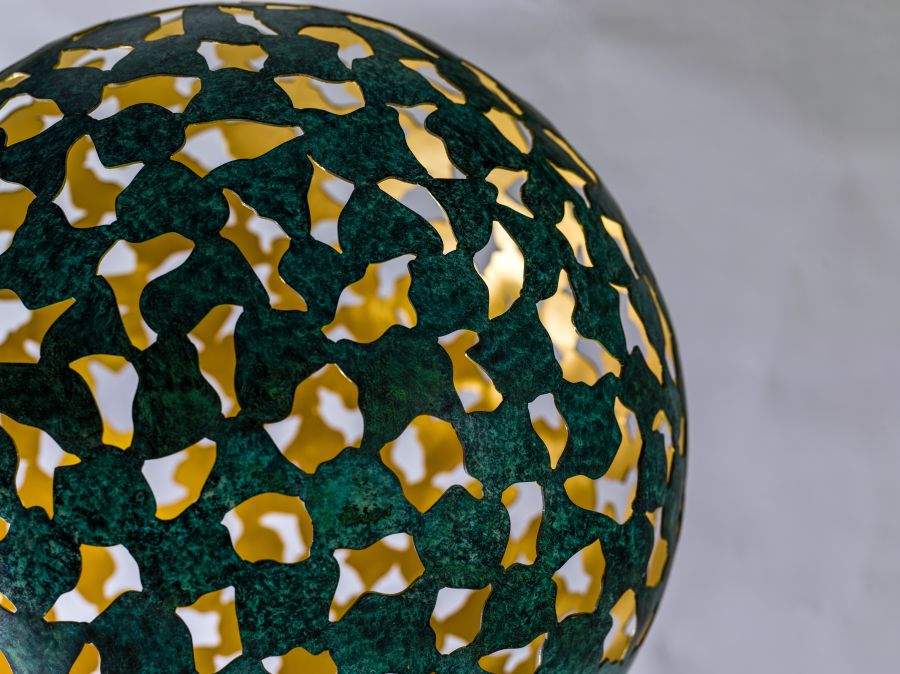
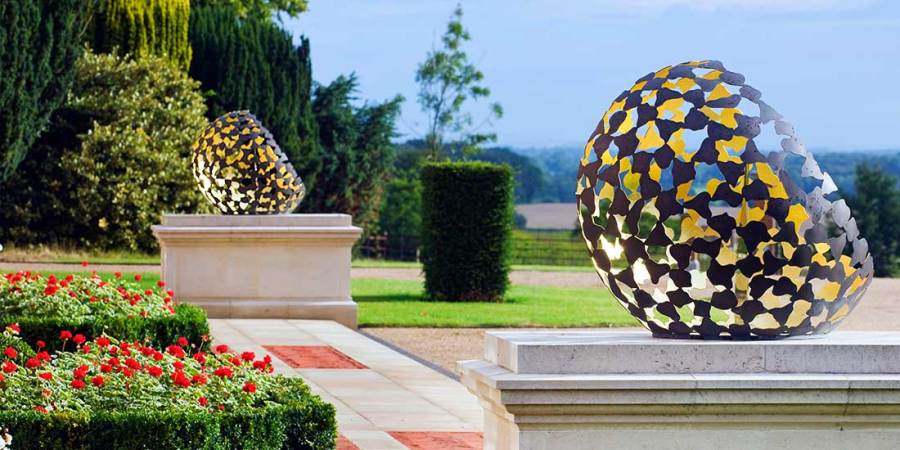
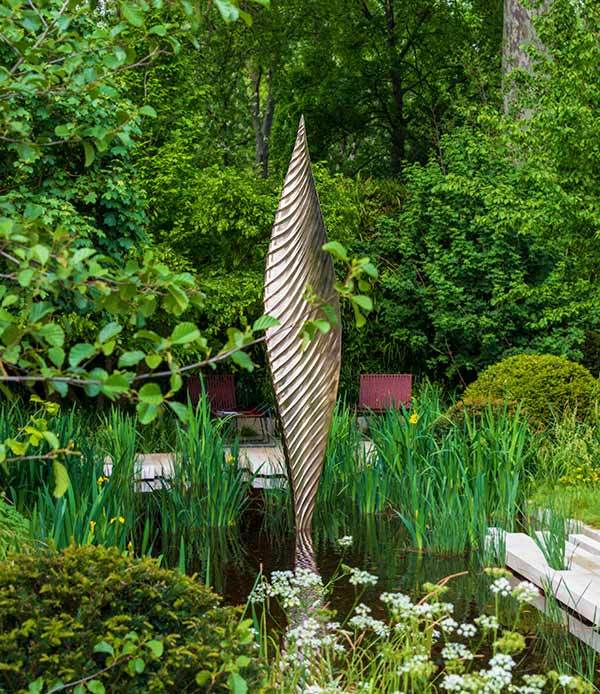
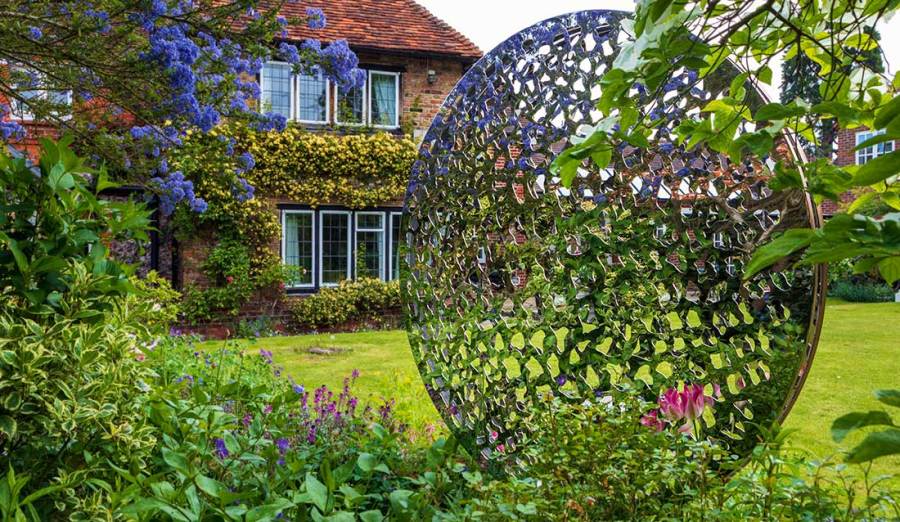
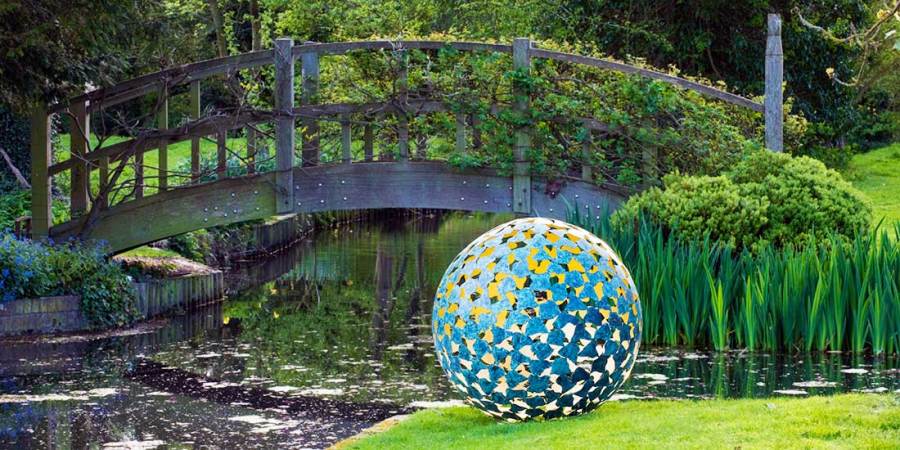
Inspired by the Earth, the Mantle sculpture captivates with the tension between its thin crust and golden interior—a metaphor for our ecosystem.
The piece is composed of two pairs of petal-like forms in two sizes, inviting the viewer's mind and eye to seek and follow the patterns within the petals and the gaps.
Attention
Care Instructions:
1. Environmental Conditions for Bronze Sculptures
The first and most crucial step in caring for a cast bronze sculpture is controlling its environment. Place it in a stable, suitable setting to prevent accidental or mechanical damage. Moisture is one of the biggest threats to bronze—high humidity can cause corrosion. Keep the sculpture in a dry space, free from dust and airborne pollutants. Indoors, the ideal temperature range is 18°C–24°C (64°F–75°F) with a relative humidity of 40%–50%.
2. Protection from Harmful Chemicals
Shield the sculpture from aggressive chemicals such as acids and chlorides. When moving the piece, always wear cotton gloves—oils and perspiration from bare hands can etch the metal over time.
3. Cleaning Your Sculpture
Dust gently with a clean, soft cloth. For intricate areas that are hard to reach, use a soft-bristle brush or a vacuum cleaner with a brush attachment to blow away debris.
4. Addressing Dull, Tarnished Surfaces
Over time, a sculpture may develop a subdued, matte appearance. To restore its luster, buff lightly with a fine cotton cloth—never rub vigorously. This subtle friction can renew the protective wax layer and bring back a gentle polish.
5. Removing Corrosion Spots
For isolated rust-like spots, a conservation treatment using silver oxide can help control active corrosion. First, mechanically remove loose, powdery corrosion to expose the waxy grey cuprous chloride underneath. Mix silver oxide with ethanol to form a paste and apply it to the affected area. Keep the area in a humid environment to allow the paste to react, converting cuprous chloride into cuprite and copper chloride, which seal the surface. Repeat this process as needed until the piece no longer develops powdery corrosion when exposed to high humidity.


