


Crystal Piano

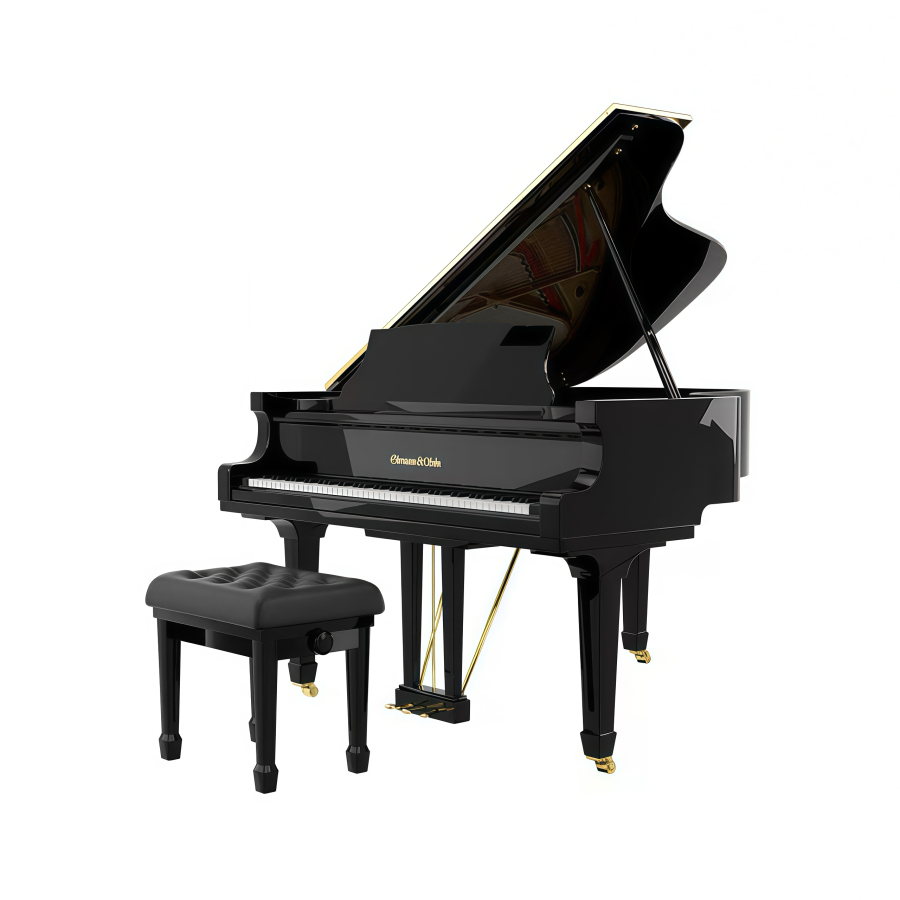
Details
Attention
Piano Care & Maintenance Guide
1. Placement & Environment
• Avoid direct sunlight, air conditioning vents, heaters, and exterior walls. Direct exposure can cause the finish to crack and the soundboard to warp.
• Keep away from damp areas like kitchens, bathrooms, or basements. The ideal humidity range is 40%–60%.
2. Humidity & Temperature Control
• In damp conditions: Use a dehumidifier or install a piano humidity control system (like a Dampp-Chaser). During humid seasons, run the dehumidifier regularly.
• In dry conditions: Use a humidifier to prevent sticky keys, rusted strings, and a cracked soundboard.
3. Daily Cleaning
• Cabinet / Finish: Wipe gently with a soft, dry microfiber cloth. Never use alcohol, household cleaners, or furniture polish—they can damage the lacquer.
• Keys: Use a slightly damp soft cloth, wiping in the direction of the keys (not side-to-side). Dry immediately with a separate cloth.
• When not in use: Close the fallboard and lid, and cover the piano with a breathable piano cover to prevent dust from settling on the keys and internal action.
4. Good Playing Habits
• Wash and dry your hands before playing to prevent oils and sweat from corroding the keys and strings.
• Never place heavy objects, drinks, vases, or potted plants on the piano—weight can distort the structure, and spills can cause severe internal damage.
• Always play with care: avoid slamming the keys or forcing the lid, as this can damage the delicate action parts.
5. Tuning & Professional Maintenance
• Regular tuning: Schedule a tuning 1–2 times per year under normal conditions. If the piano is played frequently, 3–4 tunings per year help maintain pitch and performance.
• If you notice sticky keys, unusual buzzing, muffled tone, or severe tuning instability, contact a qualified piano technician immediately.
• Periodic internal cleaning, inspection of the action, hammers, and strings will significantly extend the life of your piano.
6. Important Don'ts
❌ Do not attempt to open or repair the internal action yourself.
❌ Do not place mothballs, air fresheners, or scented products inside the piano—chemicals can corrode metals and felt.
❌ Do not allow children to poke the keys violently or rock on the piano bench.


