


Contemporary Japanese Architecture

Details
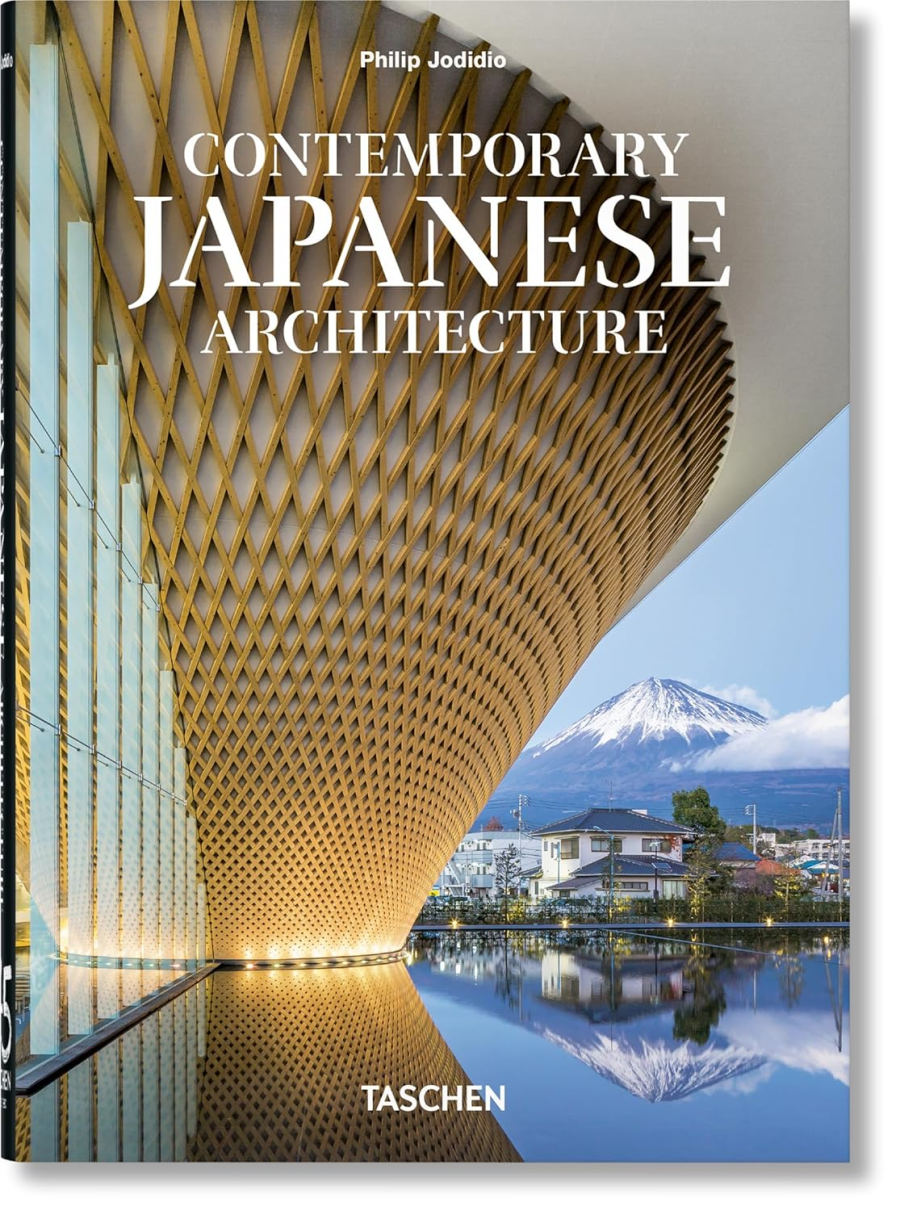
Japan’s contemporary architecture has long been among the most creative in the world, renowned for sustainability and infinite inventiveness. No fewer than seven Japanese architects have received the Pritzker Prize. Since the Osaka World Expo in 1970 brought contemporary forms to the center stage, Japan has been a key player in global architecture.
Tadao Ando consciously limited his vocabulary of geometric forms, placing Japanese architecture on the world cultural map and building a bridge between East and West. After Ando’s mostly concrete buildings, figures like Kengo Kuma (Japan National Stadium, originally planned for the Olympics in 2020), Shigeru Ban (Mount Fuji World Heritage Centre), and Kazuyo Sejima (21st Century Museum of Contemporary Art, Kanazawa) have pioneered a more sustainable approach. The younger generation has successfully forged new directions in Japanese architecture that harmonize with nature and connect with traditional architecture.
The architects featured in this collection stand out not for planning on the drawing board, but for their endless exploration of form, truly responding to their environment. This book presents the latest in Japanese architecture, revealing how this unique creativity stems from Japan’s very special circumstances, including high population density, a modern, efficient economy, a long history, and the constant presence of disasters like earthquakes. Embracing ambiguity, like the fleeting reflections in Sejima’s Kanazawa museum, or the constant threat of change and catastrophe, is key to understanding Japanese architecture as distinct from European or American architecture.
This XL-sized book highlights 39 architects and 55 exceptional projects by Japanese masters—from Tadao Ando’s Shanghai Poly Theatre, Shigeru Ban’s La Seine Musicale, SANAA’s Grace Farms, Fumihiko Maki’s 4 World Trade Center, to Takashi Suo’s much smaller sustainable dental clinic. Each project is accompanied by photographs, original floor plans and technical drawings, as well as insightful descriptions and short biographies. An extensive essay traces the country’s architectural scene from the Metabolists to today and reveals how the interplay of past, present and future has earned contemporary Japanese architecture worldwide recognition.


