


MURDER

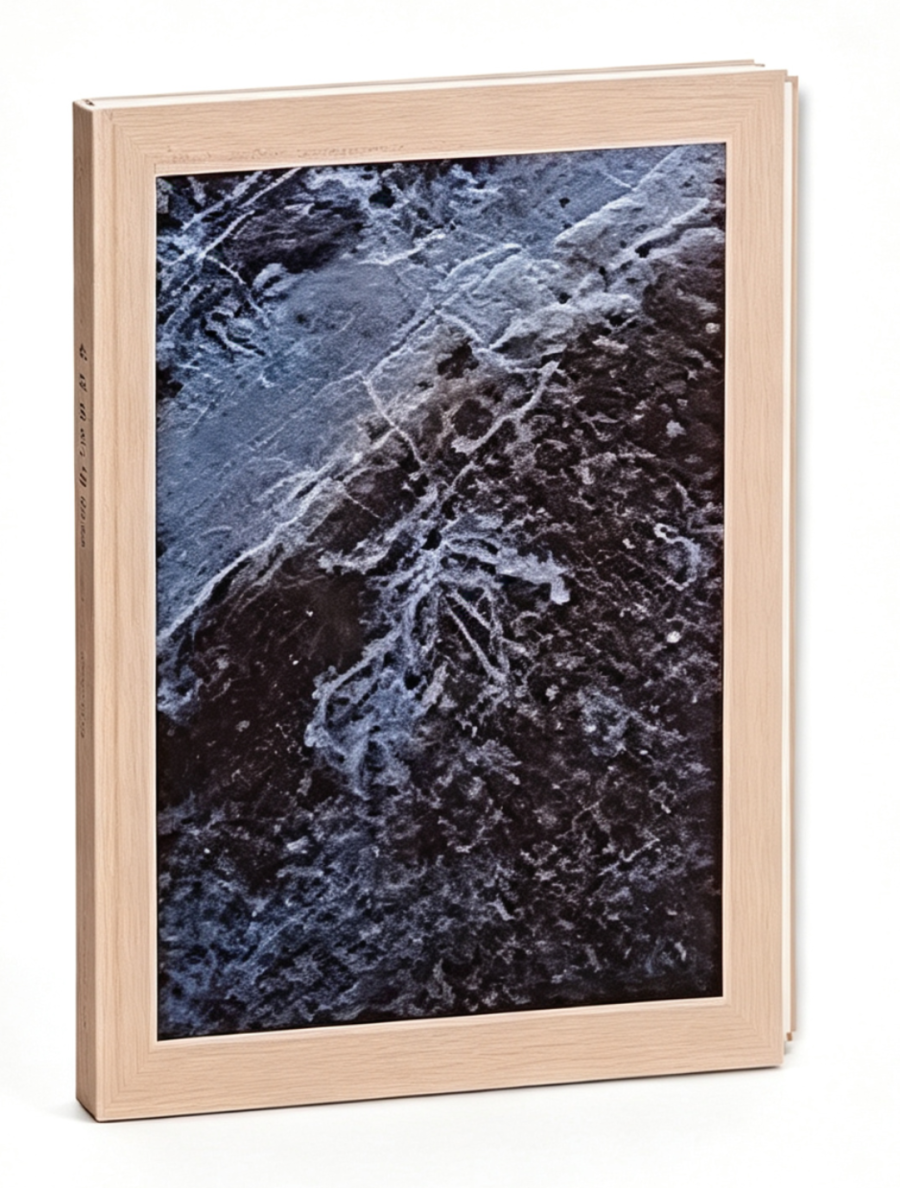
Details
The making of Guillaume Simoneau's new book, Murder, began in the spring of 1982. At the very same time, Masahisa Fukase was creating his postwar masterpiece Karasu (Ravens). Simoneau's family adopted a nest of baby crows orphaned by a fallen tree. Photographs taken back then by Simoneau's mother sketch a rare and lyrical vision of childhood. Nearly four decades later, those moments are remembered through a dialogue with Simoneau's new work, produced in Kanazawa, Japan, during the spring of 2016 and throughout 2017. This framework, the birthplace of Karasu, punctuates the book with a timeless fascination for tradition and for the landscapes beyond those celebrated frames—the famous thatched-roof houses, pine groves, and shorelines. The crisp, architectural quality of the new photographs recalls Fukase's original, yet departs from his era. In Murder, the original black-and-white photographs from the child photographer show a crow perched on his shoulder, while violent visions emerge before his eyes: a crow hung by a rope, disheveled and decaying, another animal picked apart by a large raptor. The atmosphere created by this contrast is far from cynical—on the contrary, it embraces ambivalence toward nostalgia, at once vigorous and cathartic. Many of the images directly reference Karasu, and it is the inherited language of violence in Fukase's work that Simoneau adopts and challenges as his own vocabulary. Throughout the book, the symbolic presence of the crow persists. In the childhood images, the crow gradually becomes an uncanny emblem of intimacy; coupled with an ambiguous impression of the bird's flight posture, Simoneau threatens to restore the crow's cultural function—as a harbinger of turbulent times.


