
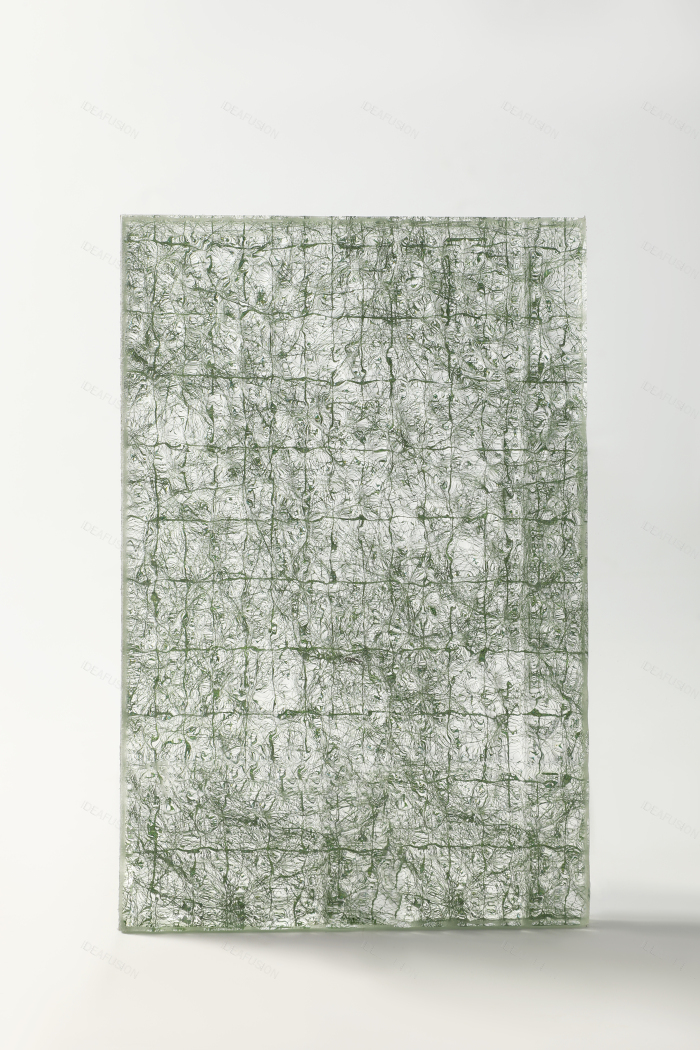


Art Glass

Attention
Care and Maintenance for Textured Art Glass Products
I. Standard Cleaning Procedure (General)
1. Recommended Cleaning Tools (Use Only the Following)
- Microfiber cloth, pure cotton cloth, soft sponge, lamb's wool brush, rubber squeegee, lint-free chamois leather
- Prohibited: Steel wool, abrasive side of scouring pads, utility knife blades, stiff brushes, sandpaper, metal scrapers. These can easily cause permanent scratches and damage the coating and tempered glass stress layer.
2. Approved Cleaning Solutions
Light dust: Wipe with clean water for a spotless, residue-free finish.
Fingerprints and light grease: Mild dish soap diluted with warm water (1:50), or a dedicated neutral glass cleaner.
Bathroom limescale and water spots: White vinegar and water (1:10). Spray on, let it sit for 5 minutes, wipe with a soft cloth, then rinse thoroughly with clean water to prevent vinegar residue from corroding the sealant.
Adhesive residue, paint, stickers: Spot-treat with a small amount of isopropyl alcohol. Test in an inconspicuous corner first. Do not saturate the coated surface.
3. Strictly Prohibited Chemicals
- Strong acids: Toilet bowl cleaner, oxalic acid, hydrofluoric acid, rust remover
- Strong alkalis: Caustic soda, drain cleaner, high-concentration bleach
- Abrasive powders, heavy-duty tile cleaners
The above chemicals will corrode Low-E coatings, laminated PVB interlayers, and the glass surface, leading to hazing, peeling, insulation failure, and yellowing or delamination of the interlayer.
4. Correct Wiping Technique
1. Dust off loose particles with a dry cloth first to prevent friction scratches;
2. Clean on overcast days, early morning, or evening. Avoid cleaning under hot midday sun, as rapid evaporation of the cleaning solution leaves stubborn watermarks, and extreme temperature differences can cause thermal stress cracks;
3. Squeegee in one direction from top to bottom. Promptly wipe dry joints and edges to prevent moisture from seeping into the seal;
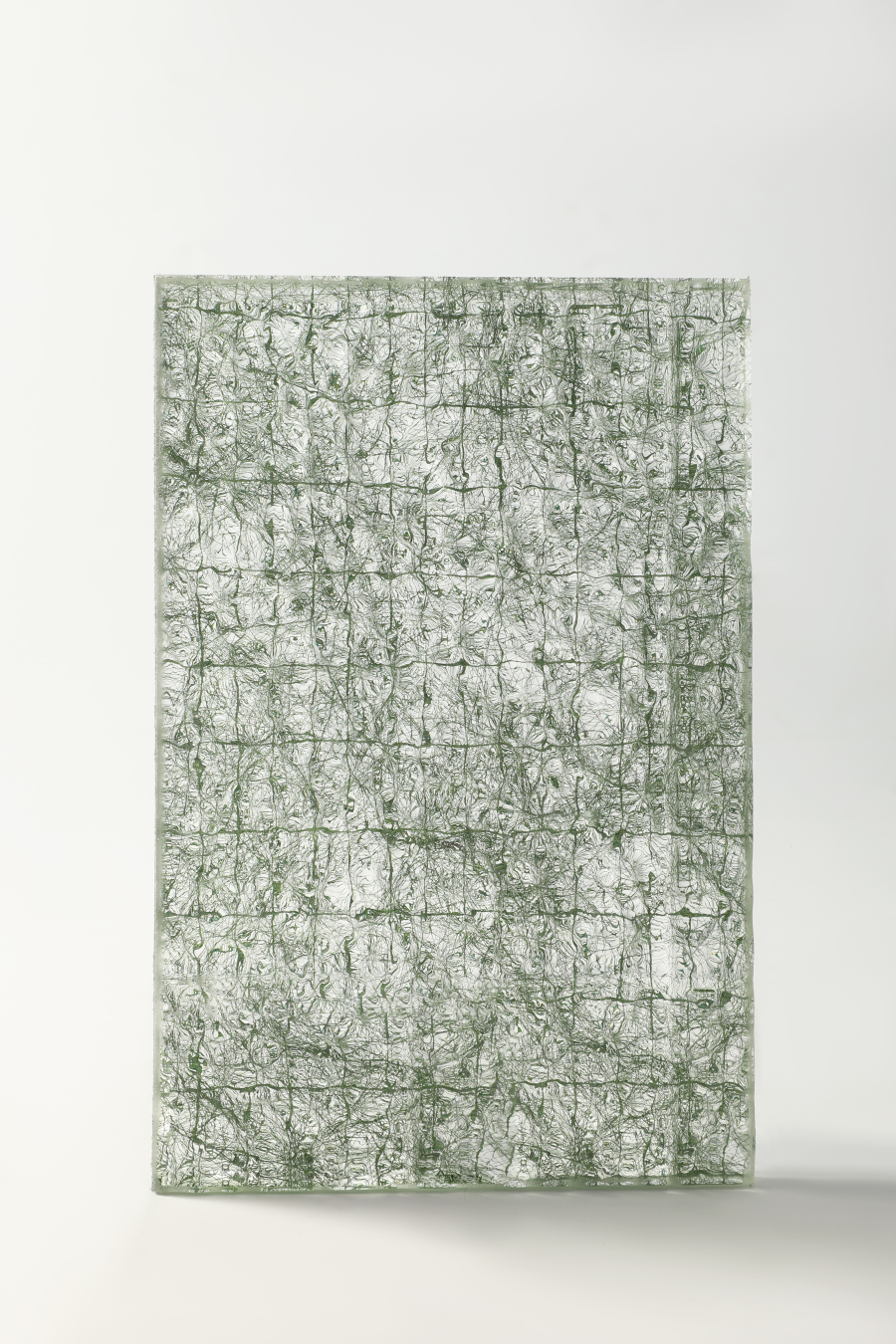
4. For carved, embossed, or frosted glass, wipe gently along the texture. Use a wool brush for crevices. Do not flood or soak with water;
5. Cleaning frequency: Every 2-3 months for standard windows and doors; monthly for bathrooms, street-facing, and coastal/dusty environments.
II. Specific Care by Glass Type
(A) Laminated Safety Glass (Railings, Skylights, Stair Treads)
1. Avoid prolonged exposure to strong acids or alkalis, which accelerate yellowing and delamination of the PVB/SGP interlayer;
2. For skylights, promptly clear rainwater, leaves, and debris after rain. Standing water fosters mold growth that can penetrate the laminate;
3. If surface cracks or growing bubbles appear, discontinue use and have it inspected immediately to prevent the entire panel from detaching under impact.
(B) Shower Enclosure Glass
1. Squeegee water beads after every shower. Perform a limescale treatment weekly to prevent mineral deposits from forming permanent white stains;
2. Lubricate hinges and rollers with silicone-based lubricant every six months for smooth operation;
3. Replace bottom seals promptly if they become black, moldy, or cracked to prevent water seepage from corroding the glass edge.
III. Safety Precautions for Daily Use
1. Edges Are the Tempered Glass Weak Points
Do not strike or bump the corners and edges of the glass. Edge damage dramatically increases the risk of spontaneous breakage. Handle with care during moving and installation. Keep furniture and hard metal objects away from glass edges.
2. Load Guidelines
- Operate doors and windows gently; do not slam or force them.
- Do not climb or hang heavy objects on glass railings. Prohibit children from forcefully impacting them.
- Do not affix large, heavy stickers or weighty hooks onto the glass surface, as uneven stress can cause cracking.
3. Temperature Restrictions
- Never pour cold water directly onto hot glass (e.g., glass exposed to direct sunlight, just after a sauna, or on a hot countertop).
- In winter, with significant indoor-outdoor temperature differences, avoid directing large amounts of boiling steam onto cold glass.
4. Environmental Protection
- In coastal, high-salt-spray areas, regularly rinse the exterior with clean water. Prolonged salt adhesion corrodes glass and sealant.
- During renovation, prevent cement slurry, putty, and paint from splashing onto the glass. If adhered, clean immediately with a warm, soft cloth; it is extremely difficult to remove once hardened.
IV. Hardware and Seal Maintenance (Extending Overall Glass Lifespan)
1. Every six months, clean out sand and dust from window and door tracks, hinges, and railing fasteners, and apply lubricating grease to prevent sticking, which can cause stress cracks in the glass.
2. If sealants or gaskets show signs of cracking, hardening, peeling, or leaking, promptly reapply neutral weatherproof sealant or replace the gasket.
3. Regularly clear drainage holes to prevent rainwater from backing up into the glass cavity.
V. Fault Identification and Solutions
1. Fine surface scratches: Light scratches can be professionally polished; deep scratches are unrepairable and require glass replacement.
2. Insulating glass fogging or internal condensation: This indicates seal failure. There is no in-situ repair; the insulated glass unit must be replaced.
3. Laminated glass interlayer yellowing, bubbling, or delamination: This indicates film deterioration, a safety hazard; timely replacement is required.
4. Glass with radial cracks or star bursts: Discontinue use immediately to prevent injury from shattering, and contact after-sales service for replacement.
VI. Long-term Care Summary
1. The Three Don'ts of Cleaning: No hard tools, no strong acids/alkalis, no cleaning under high temperatures.
2. The Three Dos of Usage: Protect edges and corners, avoid sudden temperature changes, and avoid single-point heavy pressure.
3. The Three Regular Checks: Check sealant, check hardware stability, and check glass for cracks or fogging.


