
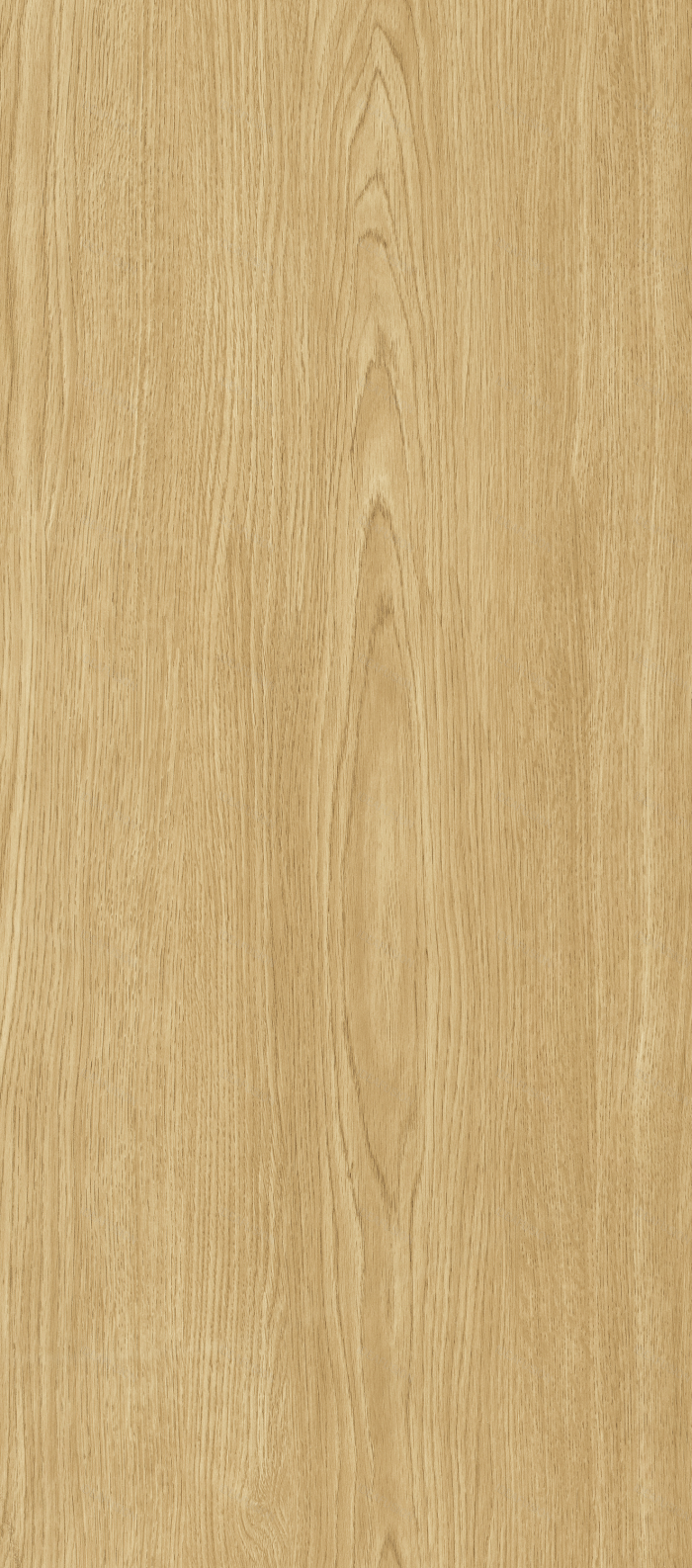


SPC Stone Polymer Composite Flooring

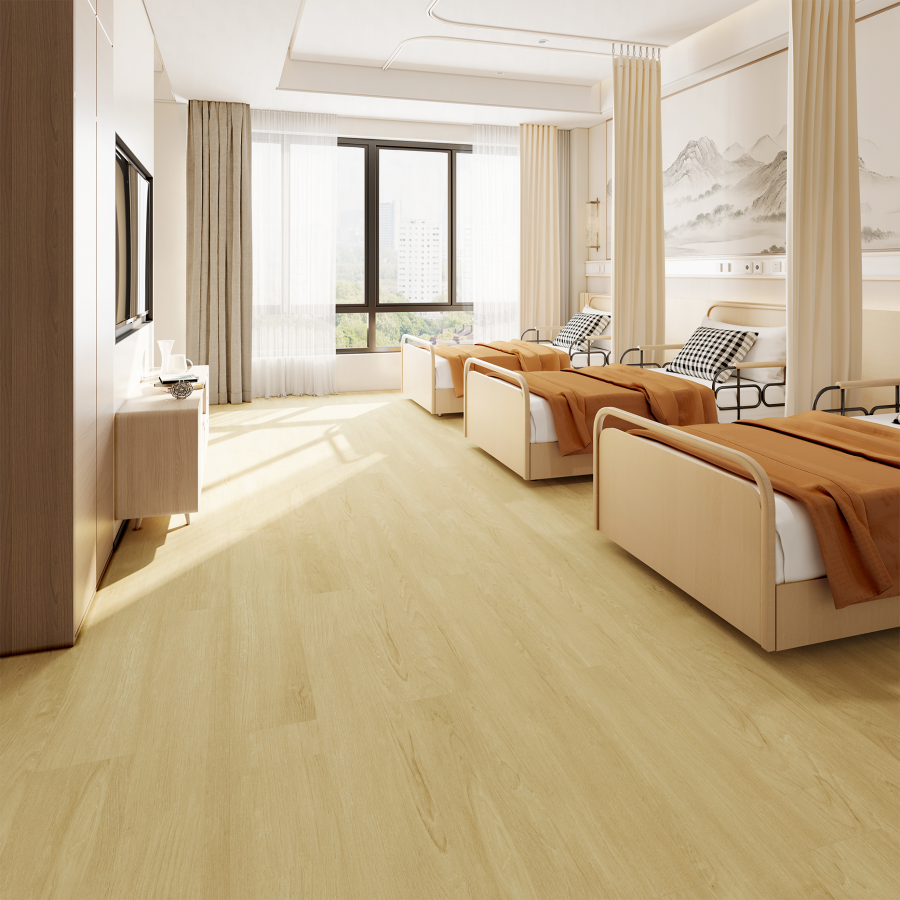
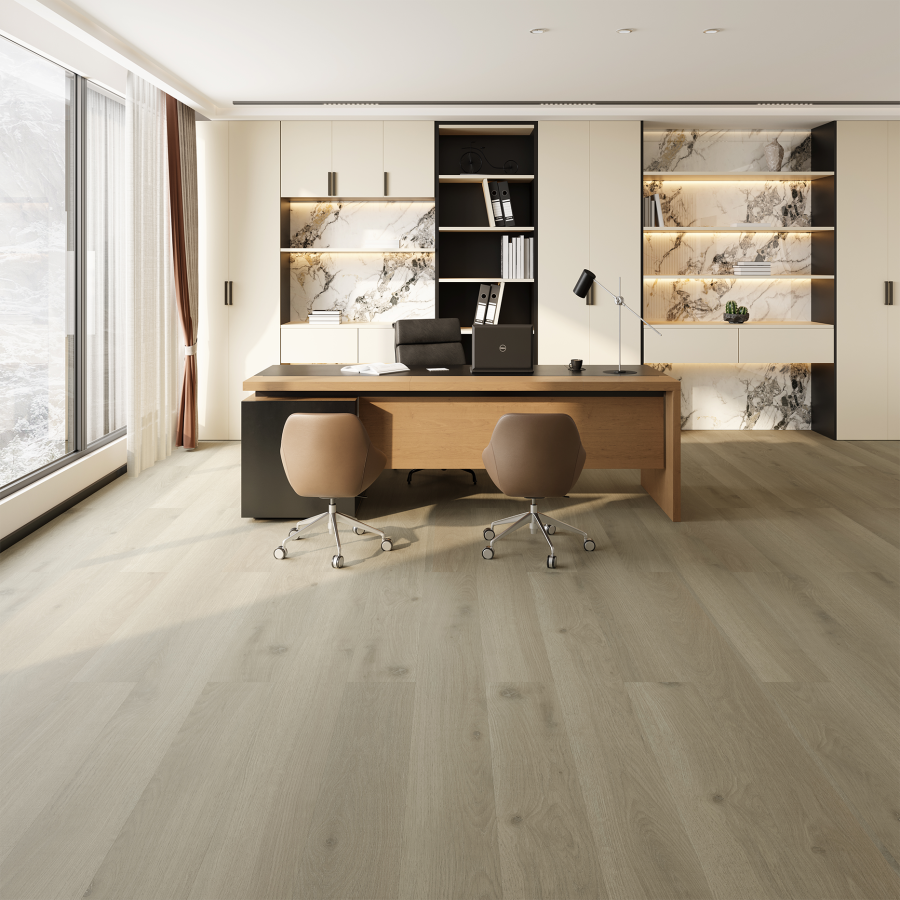
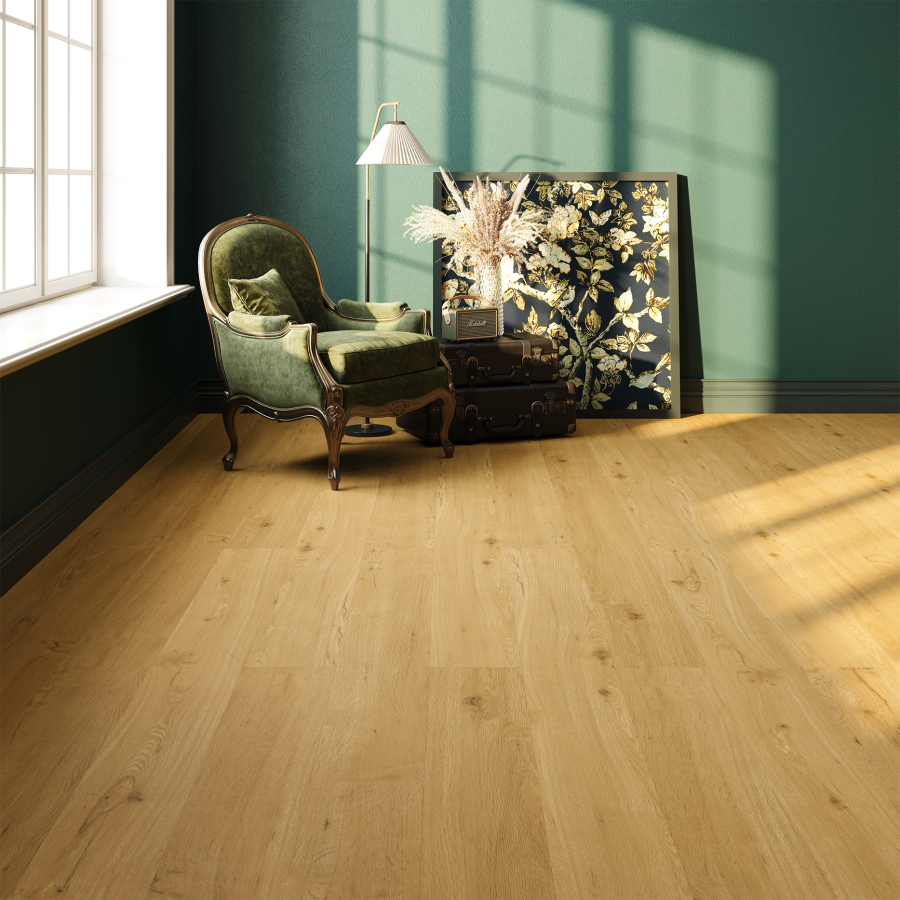
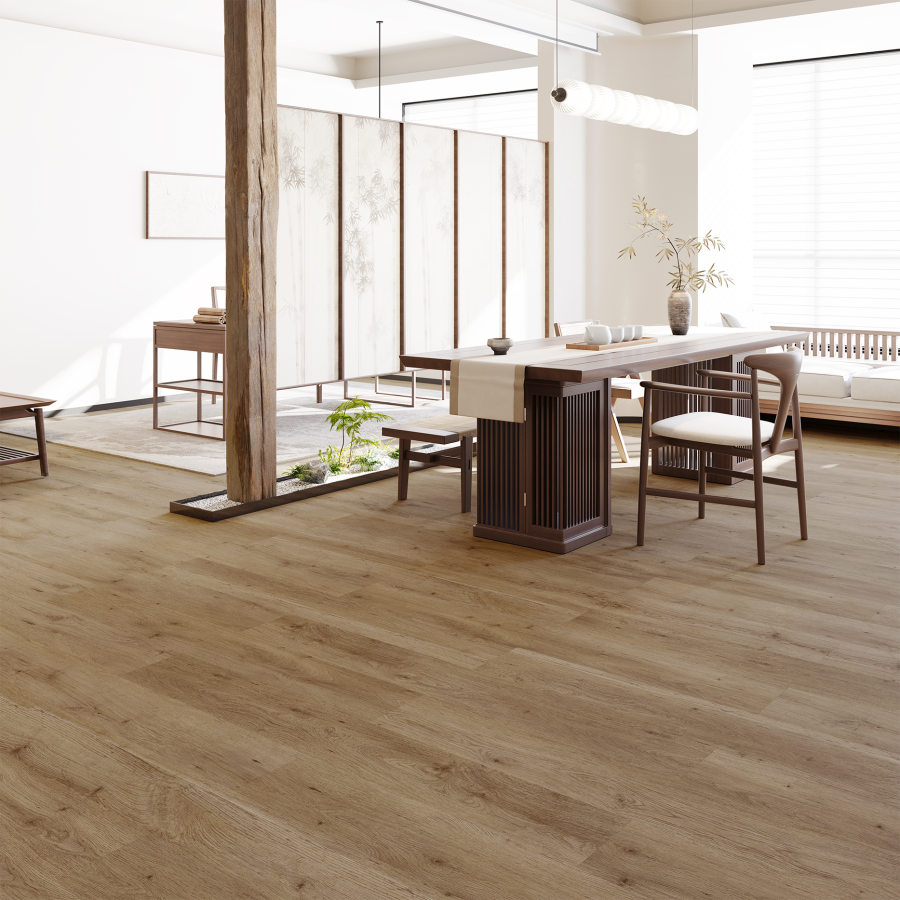
Details
Attention
Maintenance and care for SPC (Stone Plastic Composite) flooring go beyond simple surface cleaning—it involves a comprehensive management approach to keep the floor looking beautiful over the long term.
Firstly, it is essential to cultivate a strong awareness of floor maintenance. Pulitzer flooring is a vinyl-based product with a degree of elasticity that provides a comfortable underfoot feel. It overcomes the cold, hard, and noisy drawbacks of traditional flooring materials. However, its surface hardness is lower than that of ceramic tiles, marble, or granite, making it more susceptible to staining. Therefore, routine daily upkeep and periodic maintenance are necessary. Feedback from numerous users has shown that the owner's maintenance awareness is a key factor determining the floor's long-term performance.
The most critical management principle is preventing contamination—specifically, how to stop dirt and pollutants from entering. To protect the floor from abrasive sand and grit that can cause scratching and soiling, placing doormats at all entrances is highly effective. The mats should be cleaned regularly to remove accumulated sand and debris.
1. Daily Maintenance of Pulitzer SPC Flooring
Use a wrung-out mop daily to promptly remove dust and stains from the floor surface. Any accidentally spilled oil or chemical solvents should be wiped away immediately with a cloth to keep the surface free of contaminants.
2. Periodic Maintenance of Pulitzer SPC Flooring
Over time, floors can become soiled by sand carried in on shoes, scuff marks from footwear, and scratches from moving chairs and furniture. Additionally, the protective wax layer on the floor will wear down with use, causing the floor to lose its original luster. When this occurs, it's time for a more thorough maintenance session. Based on the level of soiling and overall condition, use a neutral detergent or, ideally, a floor wax specifically designed for PVC flooring. Applying at least three coats of wax will typically yield excellent results. This type of deep maintenance is often best handled by a professional cleaning company.
3. Recommended Initial Maintenance
After the initial 24-hour post-installation curing period, clean the floor thoroughly and apply three coats of wax. This first maintenance session, known as the initial or foundational maintenance, is extremely effective. It enhances the floor's appearance from the very beginning, adds a protective layer that resists soiling, and makes future maintenance much easier.
4. Other Important Notes
1. When using floor wax and cleaning detergents, avoid using excessive water to protect the floor. Highly alkaline detergents can cause material degradation and discoloration.
2. If waxing a floor adjacent to a carpet, be aware that the wax can potentially stain the carpet. Separate the areas carefully during cleaning and take suitable measures to protect carpets.
3. If harsh chemicals or strong solvents spill onto the floor, wipe them up immediately. Prolonged contact can lead to discoloration and deterioration of the flooring material.
4. To alleviate pressure and prevent indentations, place protective pads under the pointed legs of heavy furniture and fixtures.
5. Some rubber legs, rubber pads, furniture lacquers, wood preservatives, insect repellents, and anti-ant treatments contain substances that can stain the flooring. Exercise special caution with these items.
6. Before applying wax, ensure the floor surface is thoroughly clean. Any trapped dirt beneath the wax layer will not only mar the appearance but also make future cleaning significantly more difficult.
7. All flooring materials can sustain damage from cigarette butts, whether large or small. Dropping or stubbing out cigarettes on the floor should be strictly prohibited.


