


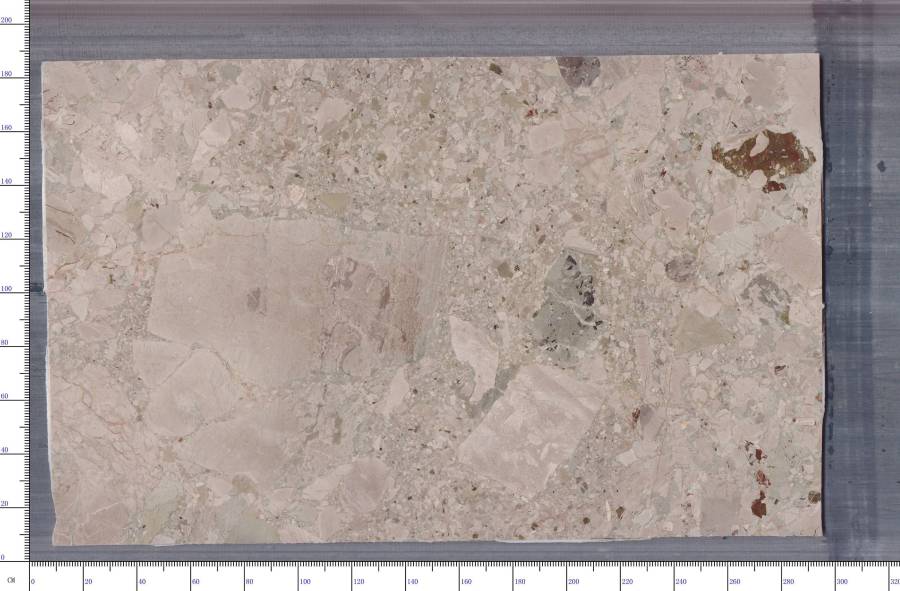
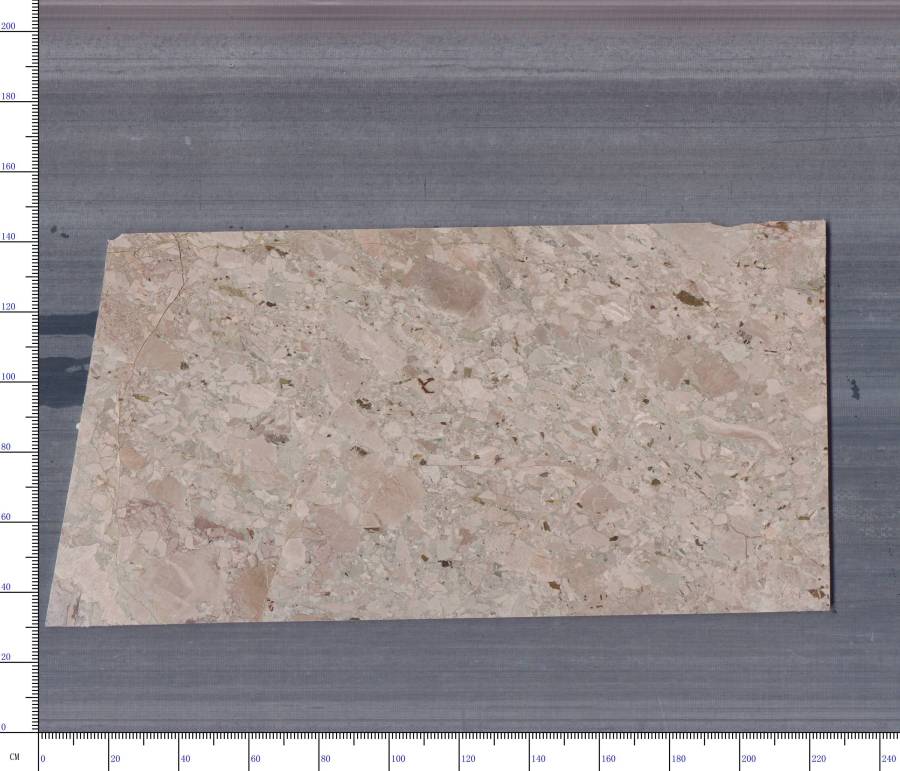
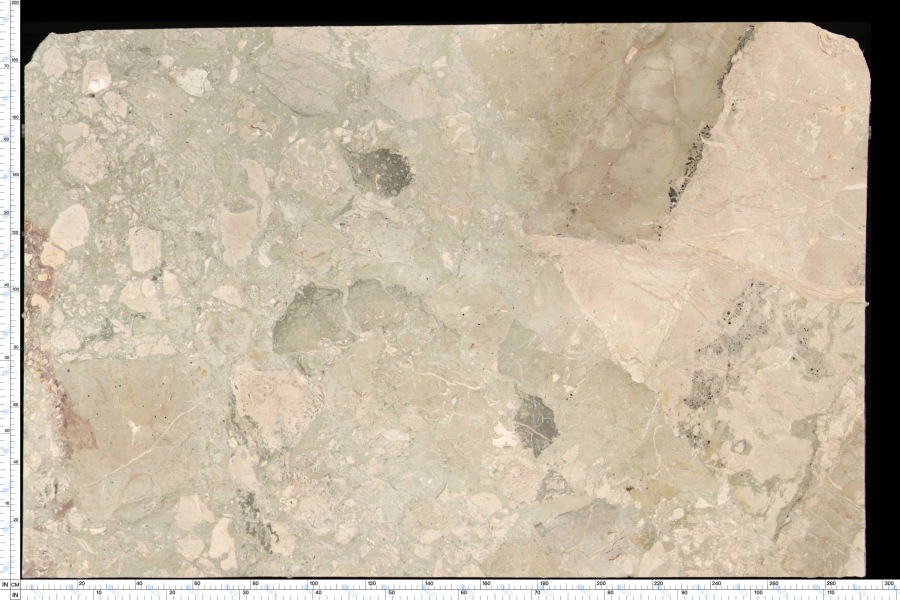
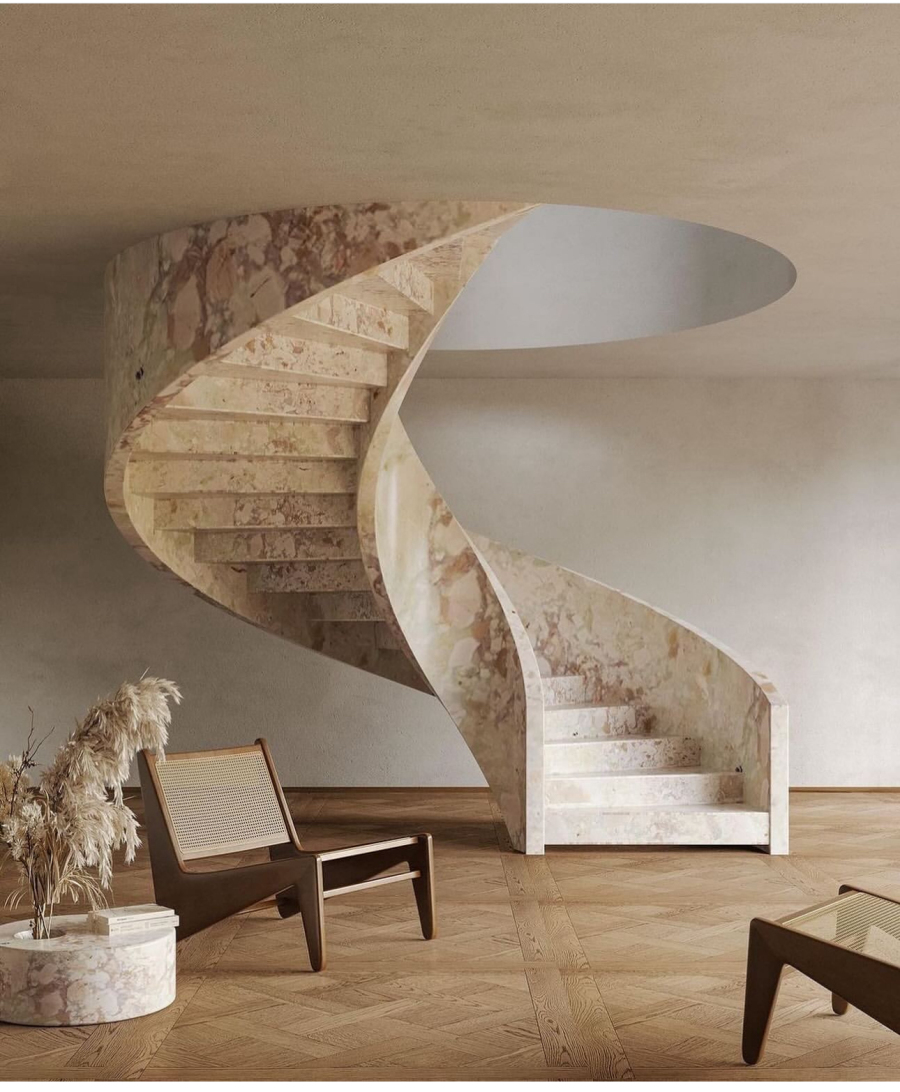
Monet's Garden


Attention
1. The base cement must not exceed the recommended grade. Cement is available in grades such as 300, 400, 425, etc. For flooring, a grade of 32.5 (approx. 325#) is recommended.
2. Stone installation methods: 1) Wet installation, 2) Dry-hanging (mechanical fixing), 3) Adhesive bonding.
Wet installation: When using the wet method, avoid sea sand. Sea sand contains high salt content, which can penetrate the stone and cause efflorescence. The intermediate layer should be a stone bonding adhesive. Use an off-white stone adhesive to prevent color bleeding. It is recommended to use imported, high-quality products such as Mapei white stone-specific adhesive or Laticrete stone bonding mortar.
Dry-hanging: For dry-hanging systems, the grooves must be completely filled with epoxy stone adhesive. The hanging components must be made of standard-compliant stainless steel (stone thickness should be at least 2.3 cm).
Adhesive bonding: Use structural adhesive to bond the stone. This method is often used for furniture applications.
3. Important points during polishing: Polishing must follow the grit sequence from low to high numbers; skipping grits is not allowed. Always wet-polish with clean water—never dry-polish. Remove slurry promptly during the process. At the final polishing stage, ensure no slurry remains on the surface. If slurry dries in the stone pores, the dried powder turns white, creating a strong contrast with the stone color and resulting in large areas of spotting.
After extensive polishing, clean the stone surface as thoroughly as possible and keep it dry. Then apply a crystallizer compound with a white polishing pad to allow the stone to fully absorb it. This prevents adverse effects on the final appearance.
Note: During installation, the back of the stone must not come into direct contact with cement paste. Cement is highly alkaline; direct contact can easily cause efflorescence. Smoking is strictly prohibited on site to prevent cigarette ash from contaminating the adhesive. Keep the work environment dry and clean. If the site is damp or wet, efflorescence may occur. Keep indoor floors dry; moisture and water can lead to efflorescence and other issues. Immediately after installation, cover the stone surface with protective film or gypsum boards to prevent foot traffic or construction activities from soiling the surface.


