
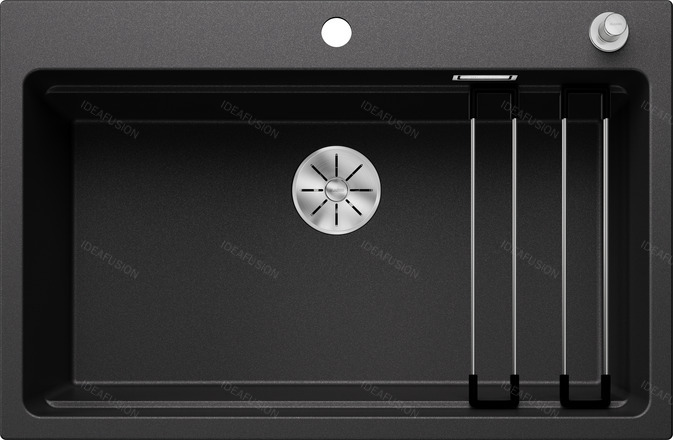


Granite Kitchen Sink

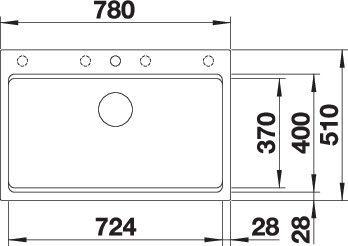
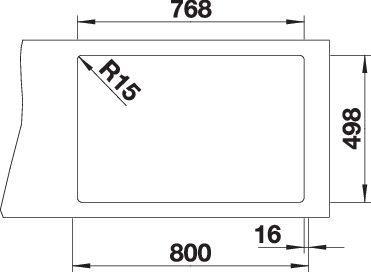
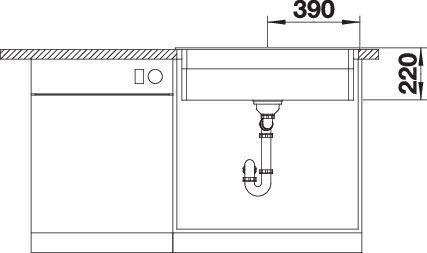
Details
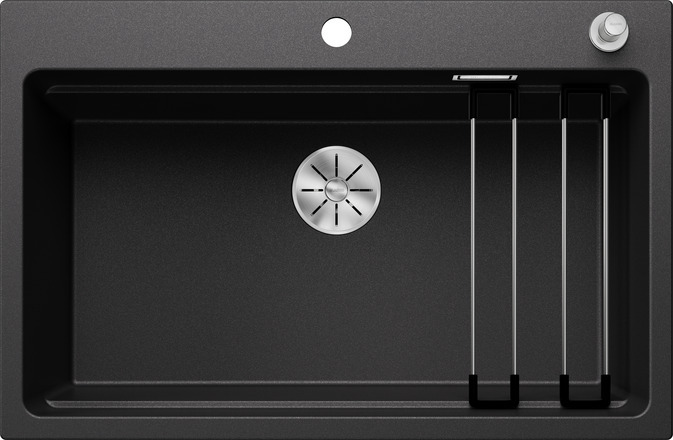
- Large-capacity functional tiered sink, functioning as the centerpiece of the kitchen
- Integrated support ledge creates a new functional layer
- Innovative system concept, accommodating a variety of ETAGON accessories
- Equipped with premium fittings: C-overflow invisible overflow and InFino waste strainer – elegantly integrated and easy to maintain
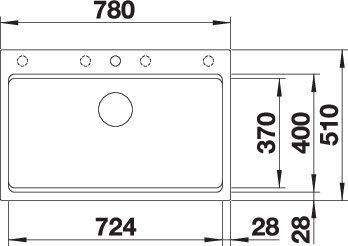
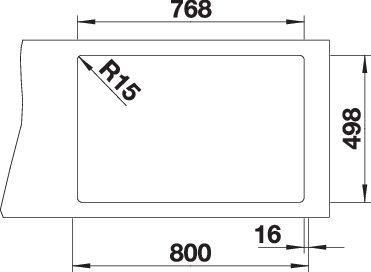
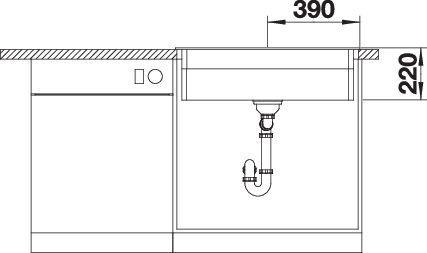
- Top-mount sink with an elegant, ultra-slim rim and integrated faucet landing area
Attention
Daily care for granite sinks
To clean stains and everyday marks from your sink, all you need is a sponge, some dish soap, and water. Slightly dampen the sponge with water. Apply a small amount of dish soap to the soft side of the sponge. Wipe the granite sink in circular motions, making sure to use only the soft side of the sponge. Once finished, rinse the sink thoroughly with clean water. Finally, dry the sink with a microfiber cloth to prevent limescale buildup.
Removing metal marks
Silgranit sinks are extremely hard. As a result, when using metal objects like pots and pans, metal abrasions can occur – dark scratches become particularly visible on light-colored surfaces. However, removing these marks is very simple. Again, put some dish soap on a damp sponge, but this time use the rough side of the sponge. Rub the sink in circular motions with the rough side to remove the marks. Afterwards, rinse the sink with clean water and dry all damp surfaces with a microfiber cloth.
Removing discoloration
If you haven’t cleaned your granite Silgranit sink for an extended period, limescale particles may accumulate on the surface. These deposits commonly form around mixer taps and drainers, where dishes dry and water droplets evaporate. On dark sink surfaces, limescale deposits are easily visible, but on light-colored sinks they can often go unnoticed. They only become clearly apparent once the limescale has changed color – for example, what was once white limescale can turn as dark as a tea bag stain. Silgranit itself does not fade – it is the limescale deposits that change color. BLANCO ACTIV cleaning powder provides the solution. This powder dissolves limescale and dirt layers, restoring the sink to its original color.
Monthly deep cleaning
As mentioned, it’s best to clean your Silgranit sink daily to prevent limescale buildup. This also helps avoid stubborn, discolored limescale that is difficult to remove. Additionally, every few months you should carry out a basic deep clean of your BLANCO sink to prevent limescale deposits that may remain even after daily cleaning. The simplest cleaning method is using BLANCO Antikalk. This cleaning formula is specially designed for BLANCO mixer taps and sinks, cleaning gently yet effectively. Spray BLANCO Antikalk carefully onto the Silgranit sink surface and leave it to take effect for five minutes. Then, clean the granite sink with a sponge to remove loosened limescale residues. Finally, rinse the sink with clean water and dry the surfaces with a microfiber cloth.
If limescale or stubborn discoloration is still visible after the first cleaning, use a heavy-duty cleaner or BLANCO ACTIV cleaning powder in a second step. This powder is specifically formulated for SILGRANIT PuraDur and can remove any stubborn dirt from the sink.
The application is simple. First, close the drain plug. Open one sachet of the cleaning powder and sprinkle it evenly around the sink. Then, fill the sink with hot water above 60 degrees Celsius. Ideally, use water that has just been boiled in a kettle. Use a small measuring cup to take some of the solution from the sink and pour it over the drainer. Leave it to work for at least 2 hours so the BLANCO ACTIV cleaning powder can take effect.
For best results: after the last use of the sink in the evening, prepare the water and cleaning powder solution, and let the solution sit in the sink overnight. After sufficient time, drain the cleaning solution. Rinse the sink with clean water and dry all damp surfaces with a microfiber cloth.
Note: If you want to remove stubborn dirt, avoid using alkaline cleaners or drain cleaners. Such substances are very aggressive and can damage the hard, durable granite surface.


