
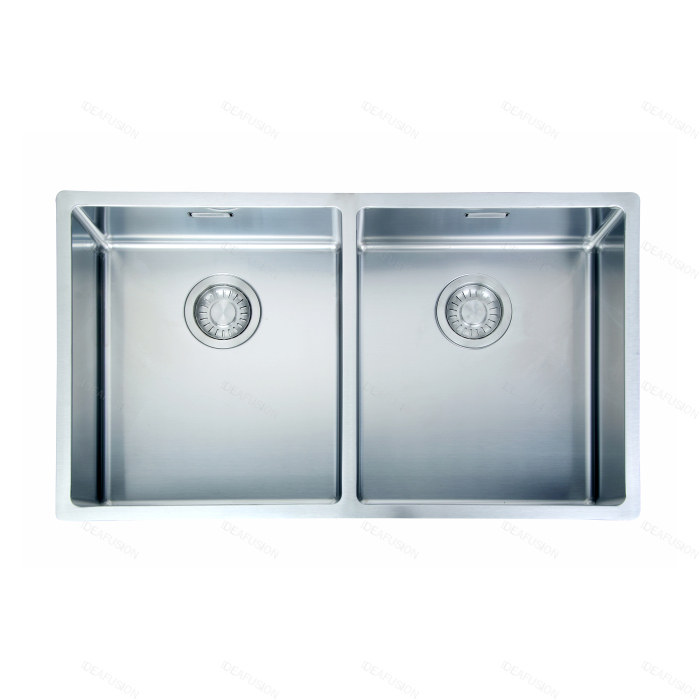


Stainless Steel Sink

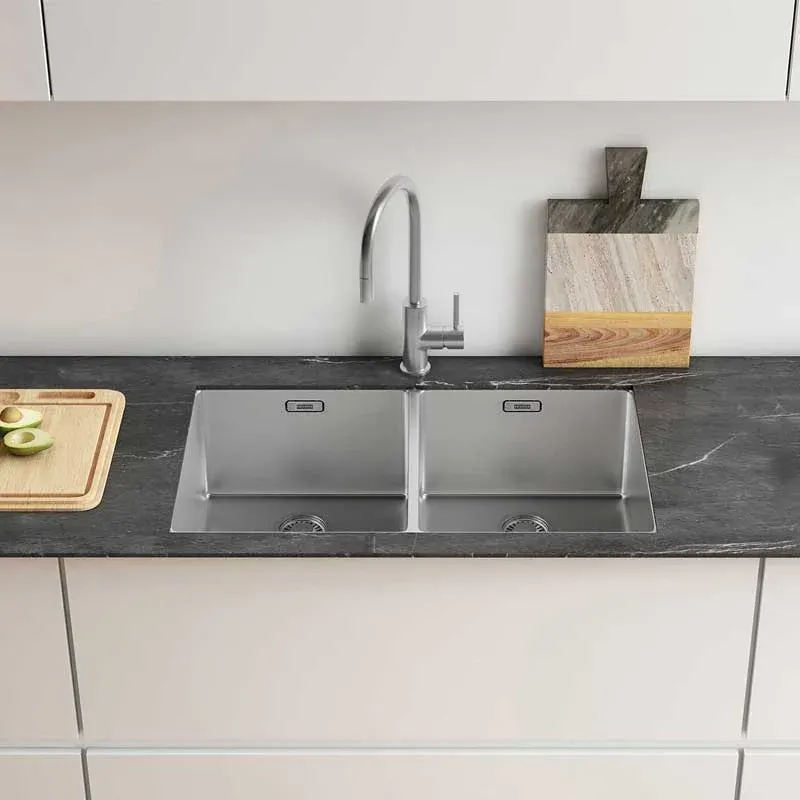
Details
Country of Origin: China
Key Features:
• Sleek, elegant design — winner of the German Red Dot Design Award;
• Crafted from 1.2 mm thick premium 304 stainless steel for lasting durability;
• Precision 12 mm small-radius corners showcase superior craftsmanship;
• Thoughtfully sized to suit a variety of modern kitchen layouts;
• Flexible installation: top-mount, flush-mount, or under-mount;
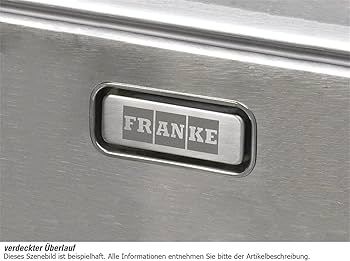
• Concealed overflow blends function with seamless aesthetics;
• Equipped with Franke’s patented easy-install clips for hassle-free mounting;
Technical Specifications:
• Material: 304 stainless steel
• Surface finish: Brushed
• Installation type: Top-mount, flush-mount, under-mount
• Drainboard: None
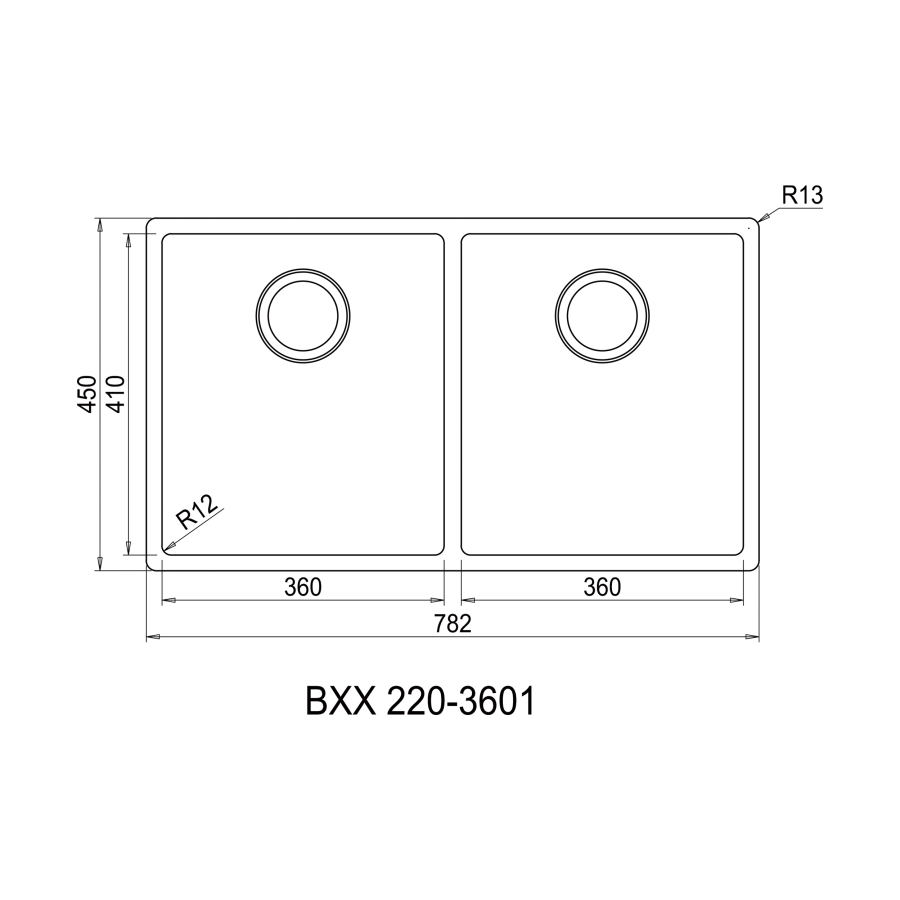
• Overall sink dimensions: 782 x 450 x 200 mm
• Main bowl dimensions: 360 x 410 x 200 mm, R12
• Secondary bowl dimensions: 360 x 410 x 200 mm, R12
• Cutout dimensions: As per template
• Faucet hole: None
• Soap dispenser / water filter hole: None
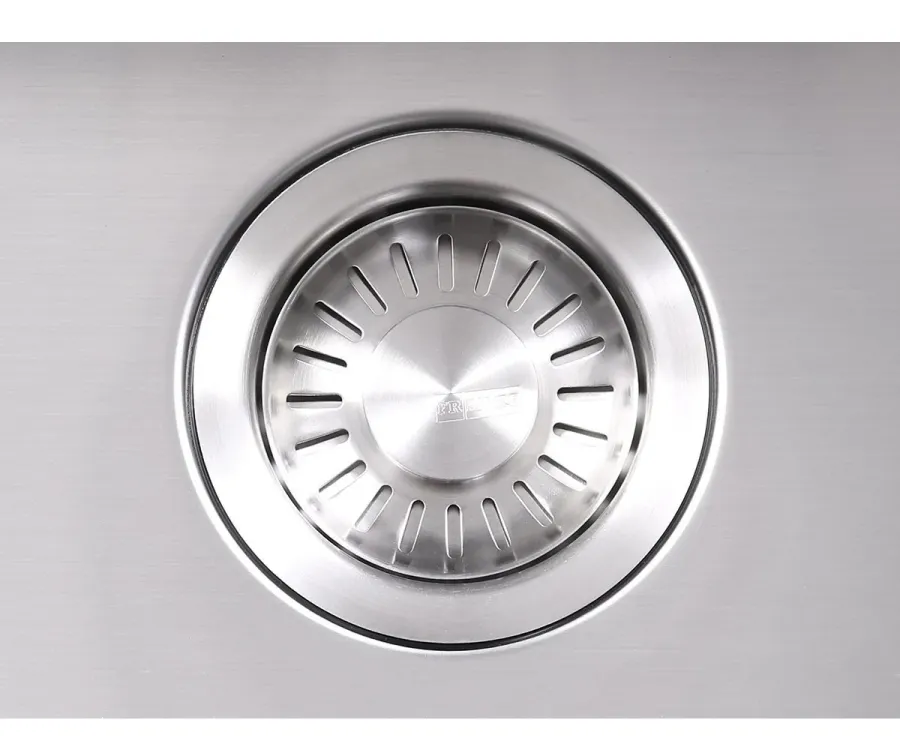
• Drain opening diameter: Ø 89 mm
• Overflow type: Concealed
• Accessories included: Waste fitting, drain pipe, flexible hose, clips
• Packaging: Carton
Attention
1. Corrosive food residues such as mustard, vinegar, lemon juice, salt, and sauces can gradually attack the stainless steel surface if left in the sink for extended periods. Promptly rinse away any such residues to prevent stubborn marks.
2. Do not leave stained sponges, cloths, rubber mats, or soap bars sitting on the sink surface, as they can trap iron particles and cause discoloration or rust spots.
3. Avoid letting the sink hold standing water for long periods or exposing it to water with a high heavy-metal content. Minerals in the water can settle on the bowl bottom, leading to gradual discoloration and even rust.
4. Take care to avoid impacts from sharp or hard utensils, cutlery, and cookware. Such knocks can scratch or dent the surface, so gentle handling will help keep the sink smooth and lustrous for years.
5. When using the hot water supply, do not expose the faucet to live steam, as this can prematurely age the rubber seals.
6. For routine faucet cleaning, wipe with a soft cloth moistened with a neutral cleaner, then rinse with clean water and dry with a soft cotton cloth. Never use acidic detergents, scouring powder, or polishing compounds, as they can corrode or scratch the finish. Also avoid pouring boiling water or hot oil directly into the sink, which could shorten the lifespan of the drainage system.
Proper care keeps your stainless steel sink looking new while safeguarding your family’s health. Let the Lesso Sink Care Guide accompany you on a journey of elegant and healthy kitchen living.


