
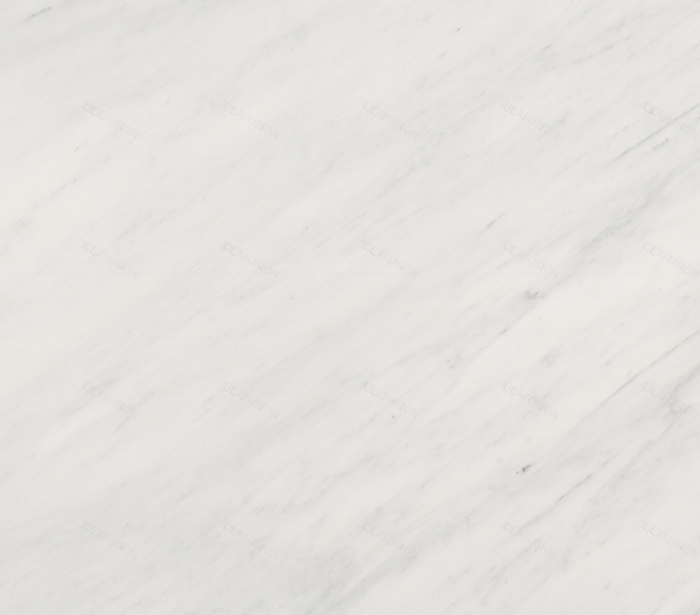


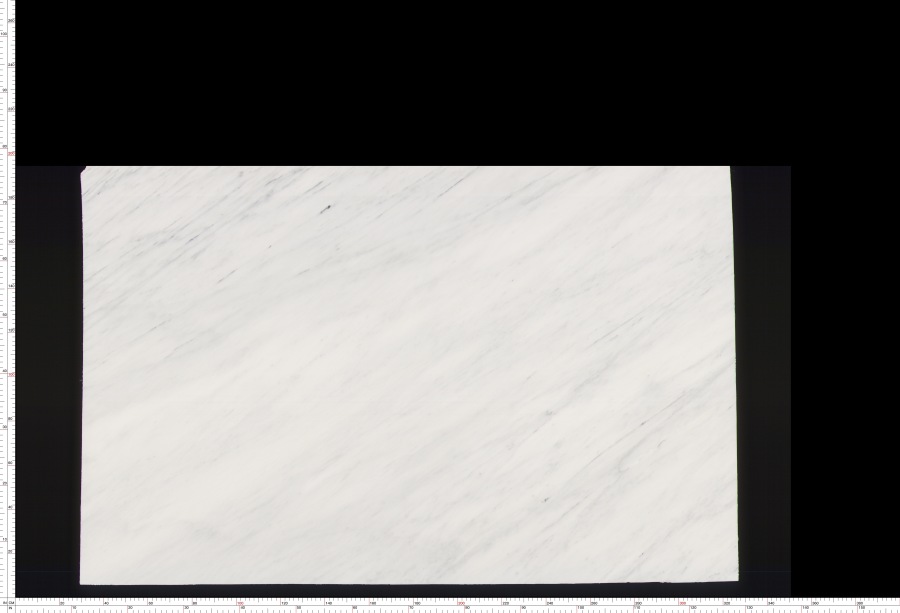
Oriental White


Attention
1. Do not use glue directly on white stone, as glue oil can easily penetrate the surface and leave unsightly shadow marks.
2. Any product applied to white stone must be tested for weather and yellowing resistance; low-quality marble wax, gloss enhancers, or silk-finish agents can cause yellowing.
3. Do not place metal objects on white stone flooring; after crystallization, remove all steel wool debris.
4. Before applying glue or resin to white stone, perform sealing treatment—both horizontal and vertical edges of joints must be thoroughly sealed, and allow sufficient curing time.
5. Choose high-solids premium sealers for white stone to resist glue oil that may seep out during the high-temperature curing of marble adhesive.
6. For crystallization, use white pads or soft stainless steel wool on white stone. If using ordinary steel wool and chemical agents, use minimal agents with extra buffing, remove all residue thoroughly, then go over the surface with fine steel wool to eliminate any chemical marks and prevent future yellowing.
7. White stone requires high-grit grinding and multiple applications of sealer. When applying chemical crystallization, use minimal agent and more buffing to build up crystal layers and achieve an ideal polish.
8. Clean joint stains thoroughly; when cutting joints, the iron of the blade must not touch the joint edges, or grey cast-iron residue will remain on the white stone. Similarly, using a steel putty knife for joint cleaning can cause grey discoloration.
9. Low-quality dry polishing pads can cause white stone surface yellowing. During dry polishing, inferior pads overheat quickly, softening the binder which then adheres to the stone surface and causes yellowing.


