
1/1


Find
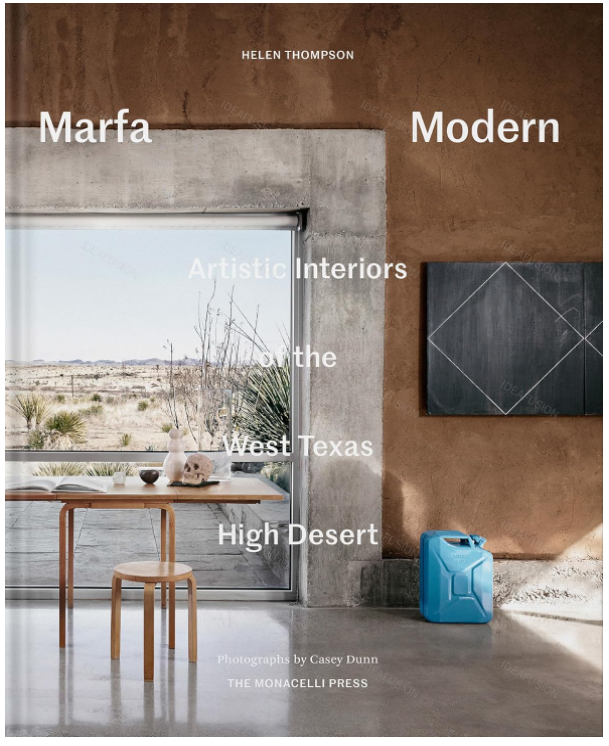
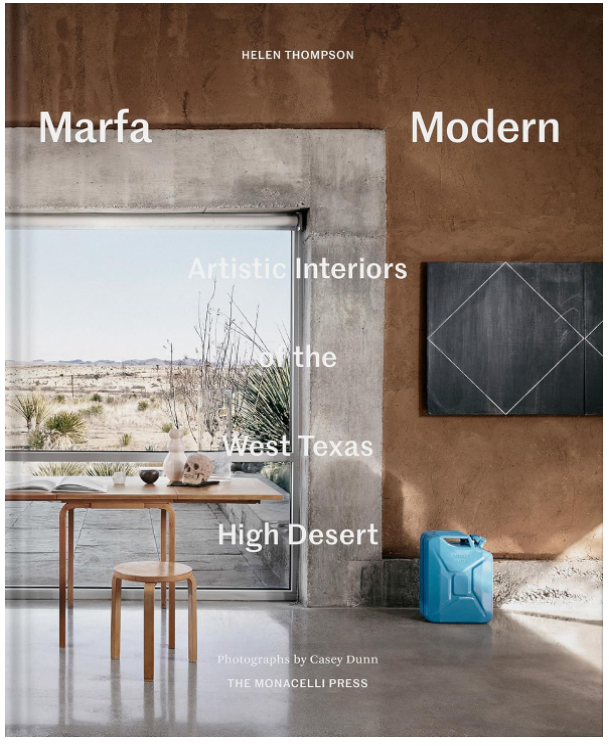
Marfa Modern : Artistic Interiors of the West Texas High Desert
Reference Price:USD/
Brand:ACSBOOKS
Material No.:TMHHSGZ1
Supplier: CONTACT US
Material ID:
Add to Project
Material Consultation
Overview
Material Texture
Product Reports
Documents
Specifications
Product Model:Marfa Modern
Type of Item:New
Country of Origin:United Kingdom
Stock:10
Color:Brown Series
Content:Paper
Size:214 x 264 x 27 (mm)
Prepayment Ratio:100%
Brand Name:ACSBOOKS
Series Name:Interior Design
Category:Accessories/Decorative Items/Book
Customizable:No
Overview
Case Diagram
Details
Twenty-one houses in and around Marfa, Texas, offer a glimpse into the creative lives and design of one of the art world’s most captivating destinations. When Donald Judd began his Marfa project in the early 1970s, it was seen as an idiosyncratic exploration. Today, Judd is revered for his minimalist art and his exacting standards for everything around him, including interior design, architecture, and furniture.
What was once a small water stop has become a mecca for artists, art pilgrims, and design enthusiasts drawn to this creative enclave, described as the 'world’s largest and most beautiful permanent installation,' set against the stark beauty of the high desert plateau landscape. In keeping with Judd’s site-specific intentions, those who call Marfa home choose to live with their wild, open surroundings. The houses featured in Marfa Modern represent unique responses to this environment—the sky, light, and sense of isolation—some predating Judd’s arrival.
Here, conceptual artist Michael Phelan resides in a former Texaco gas station with battery-acid stains on the concrete floor and a 20-foot dining table placed along one wall. A chef’s unassuming house delivers handmade satisfaction, including its side table and bathroom, extending to a private courtyard with an outdoor bathtub. Another artist uses the many rooms of her house (formerly a jail) to switch between media—Judd’s Block of Fort D. A. Russell always visible from her second-floor sun corridor.
The extraordinary building costs mean Marfa residents embrace a culture of creative freedom and upcycling: over-scaled metal signage becomes sliding doors, lengths of pipe become lighting fixtures, industrial warehouses are reimagined after the area’s white-cube galleries to create spaces for private or personally crafted art collections. Other materials are suggested by the land itself: walls are made of adobe brick or rammed earth forming sculptural courtyards, or, in one striking example, a mix of earth and brick coated with local soil, cactus mucus, horse manure, and straw.


