


Modern Wabi-Sabi

Details
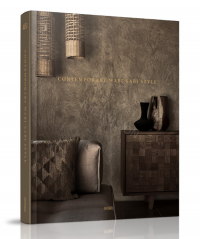
In recent years, Japanese minimalism has become an emerging design force, and wabi-sabi aesthetics, the core of traditional Japanese aesthetics, is essentially a humble beauty that withstands the test of time. Guided by the principle of 'not stripping away its essence,' designers have reworked traditional wabi-sabi into a modern wabi-sabi that speaks to contemporary tastes. From tennis star Maria Sharapova and American socialite Kim Kardashian to Sunyata Meili in China, winner of an Asia Hotel Design Award, wabi-sabi has become one of today's most popular styles.
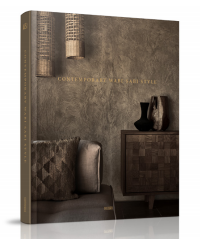
This book gathers more than thirty wabi-sabi projects worldwide, from hotels, showrooms, restaurants, and other commercial spaces to residences, comprehensively demonstrating how wabi-sabi elements are used in contemporary interior design. It features works by influential wabi-sabi designers such as Ukrainian designer Sergey Makhno and German interior designer Annabell Kutucu, including the designers' own wabi-sabi homes.
· A global collection of modern wabi-sabi projects, showing how different designers interpret the same design vocabulary
· It breaks away from traditional wabi-sabi's 'broken, old, worn' character, incorporating modern design methods to redefine the style—making it even more inspiring, visually appealing, and practical
· The layout is clean and concise; divider pages incorporate Japanese dry-garden elements, and the overall palette uses earthy tones common in wabi-sabi
· Foreword by Ukrainian designer Sergey Makhno, who explains how Japanese wabi-sabi aesthetics inspired his thoughts on the meaning of life and led him onto his own design path


