


Fire-Retardant Coating for Steel Structures





Details
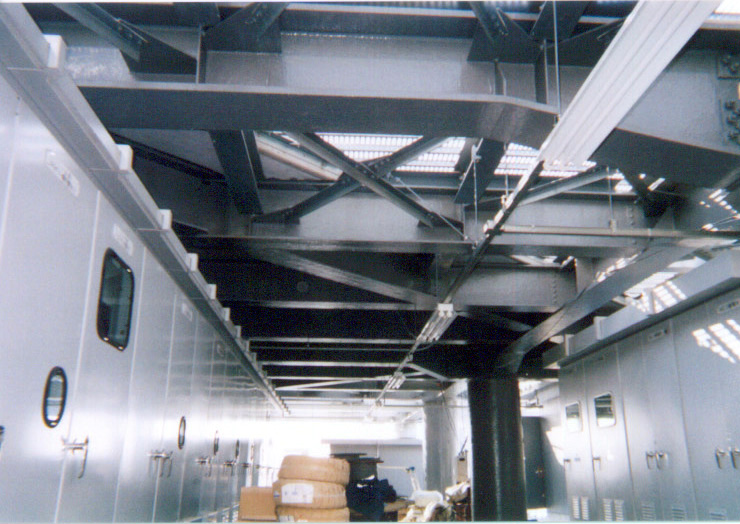
Why do steel structures need fireproof coating? In a fire, steel strength begins to decline rapidly at around 300°C. By approximately 500°C, its strength drops to 40–50%, with sharp decreases in yield point, compressive strength, elastic modulus and load-bearing capacity, leading to structural deformation. Steel melts at about 1300°C.
Fireproof coating is applied to give buildings the necessary fire resistance. Intumescent (thin-film) and non-intumescent (thick-film) are the two main types of fire protection for structural steel.
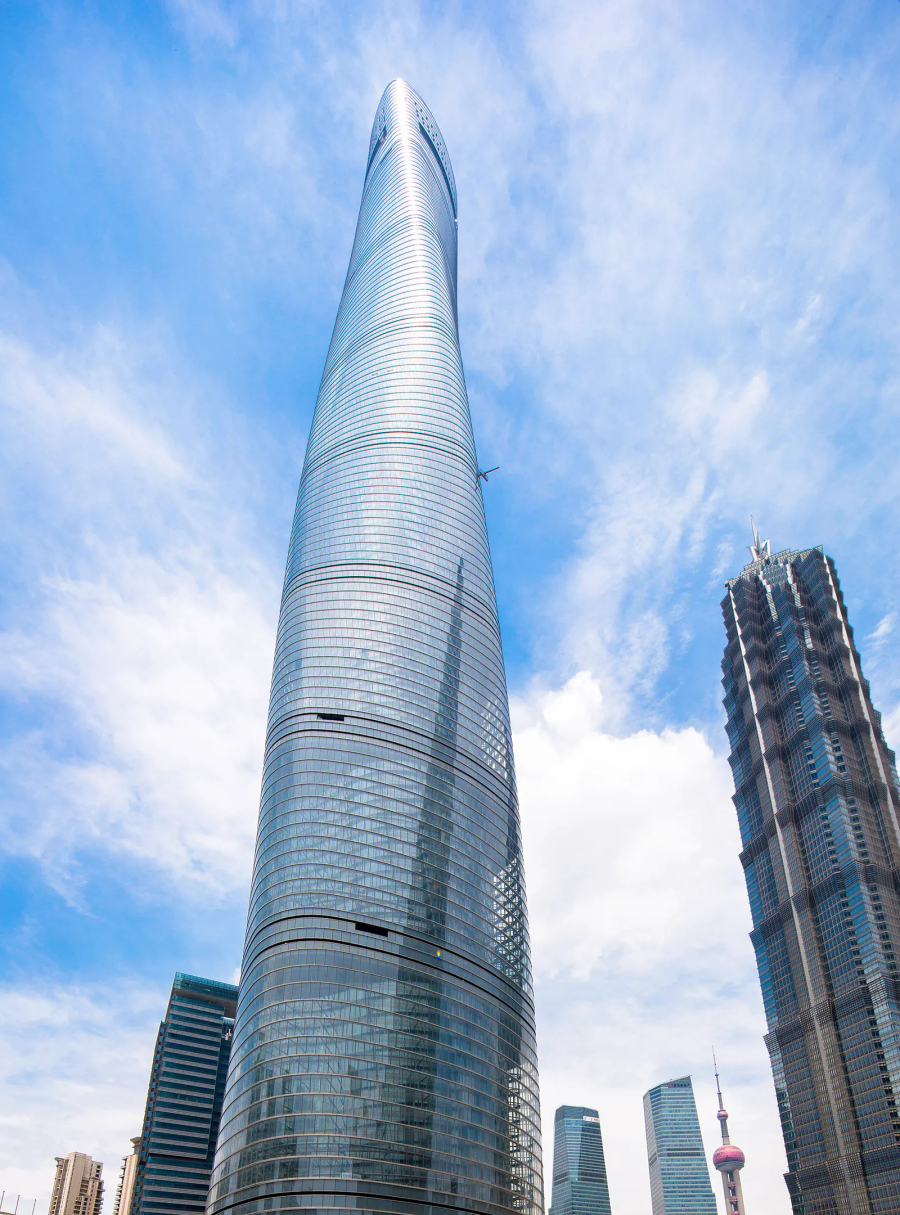
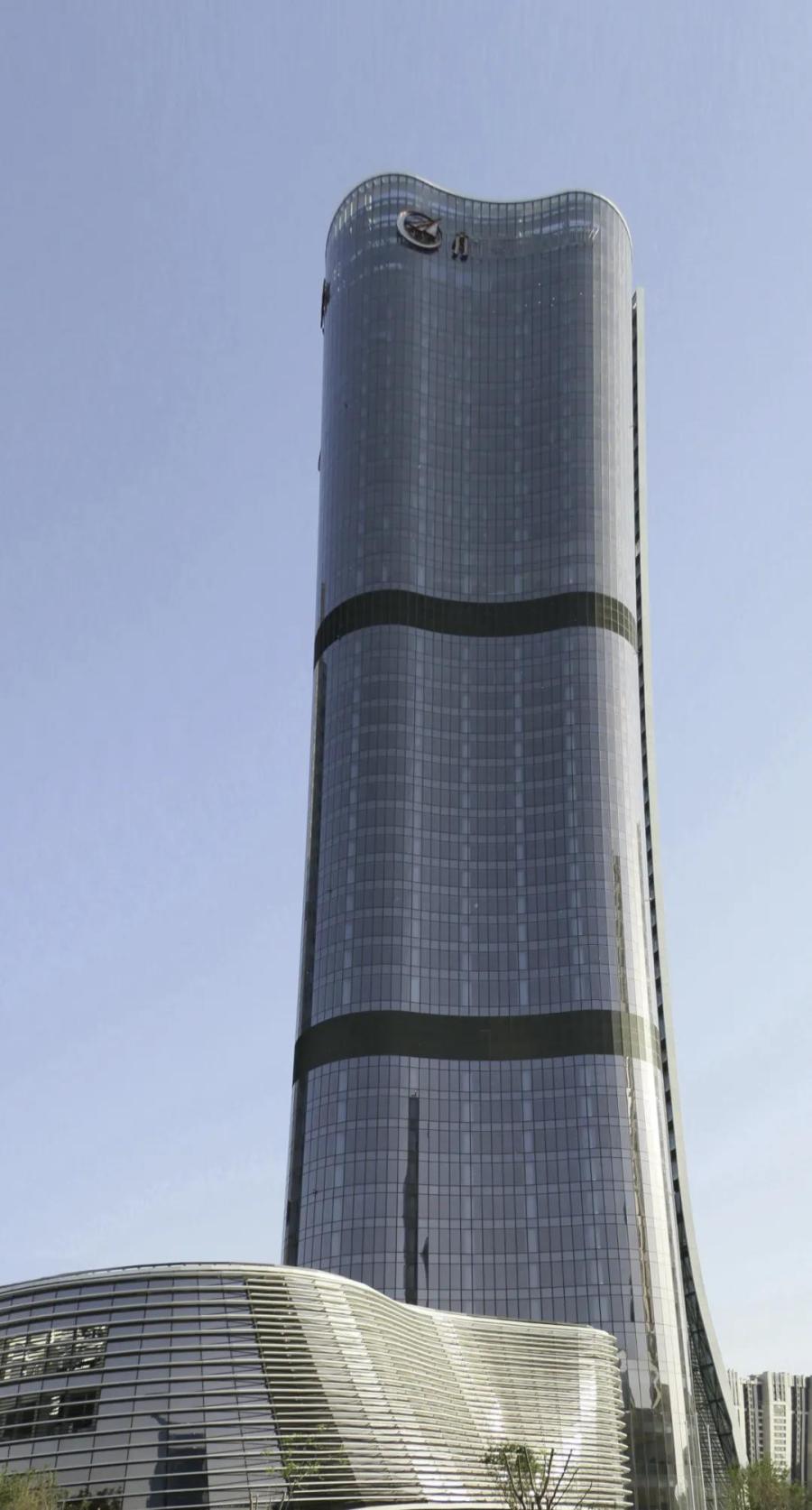
In simple terms, fire resistance means ensuring that occupants can evacuate safely during a fire. Because escape time must be guaranteed, high-rise buildings especially require extended fire resistance ratings – the goal is to keep the structure from collapsing for as long as needed.
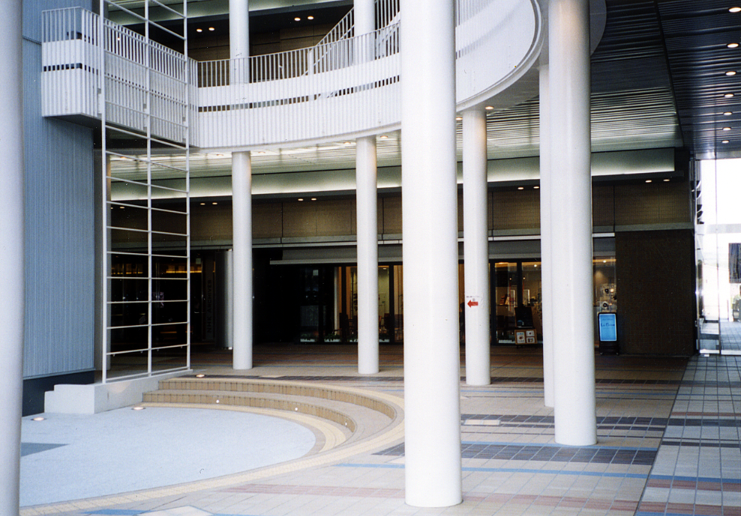
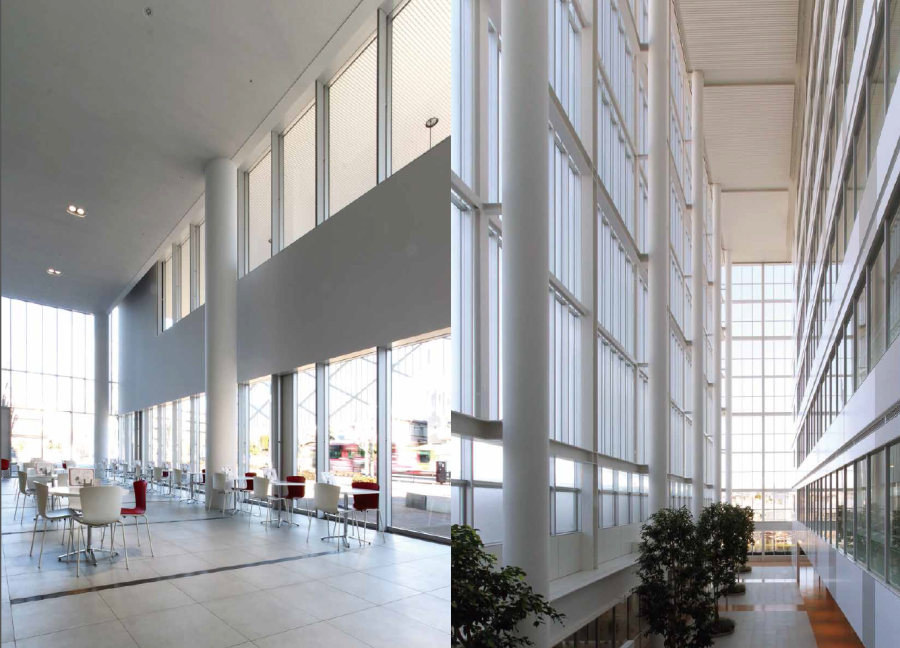
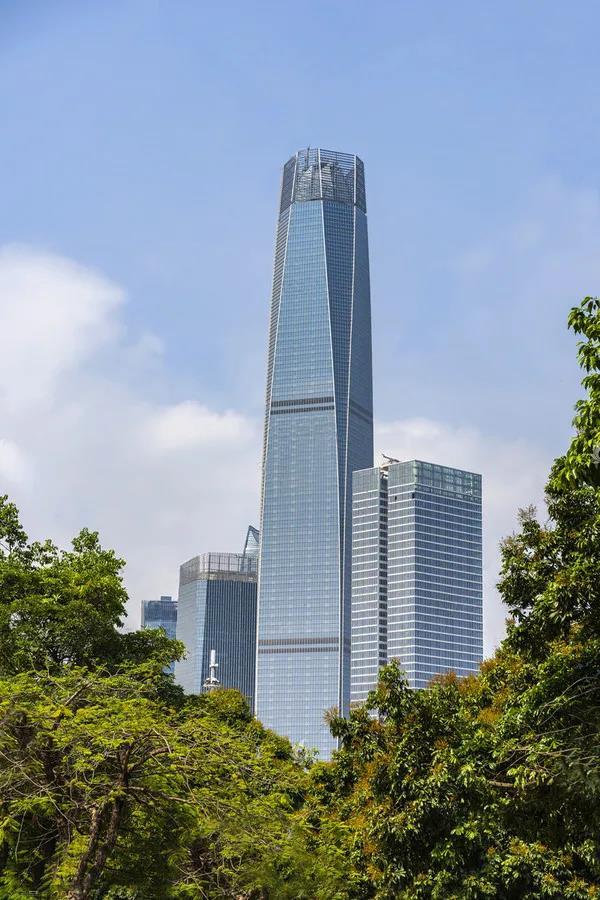
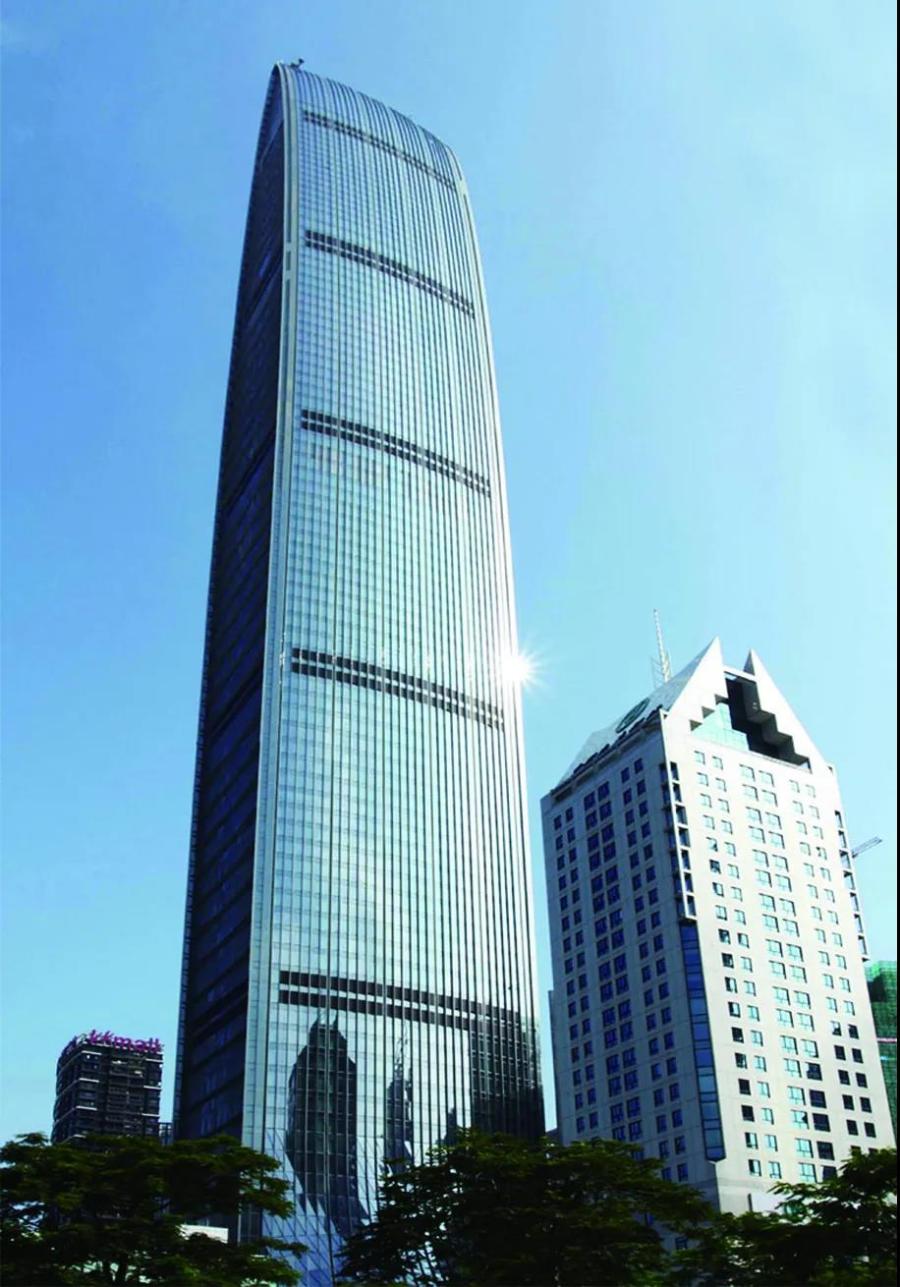
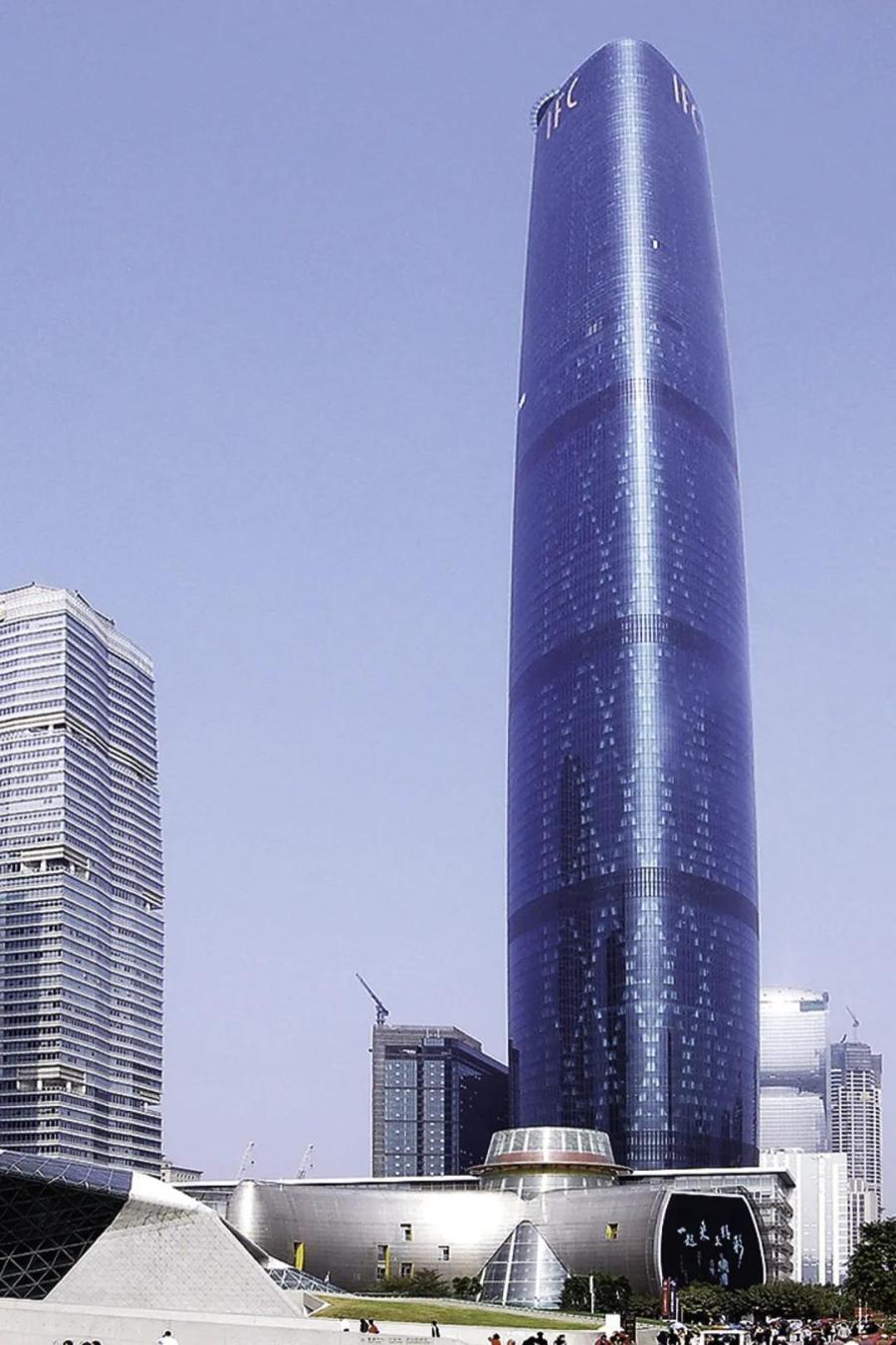
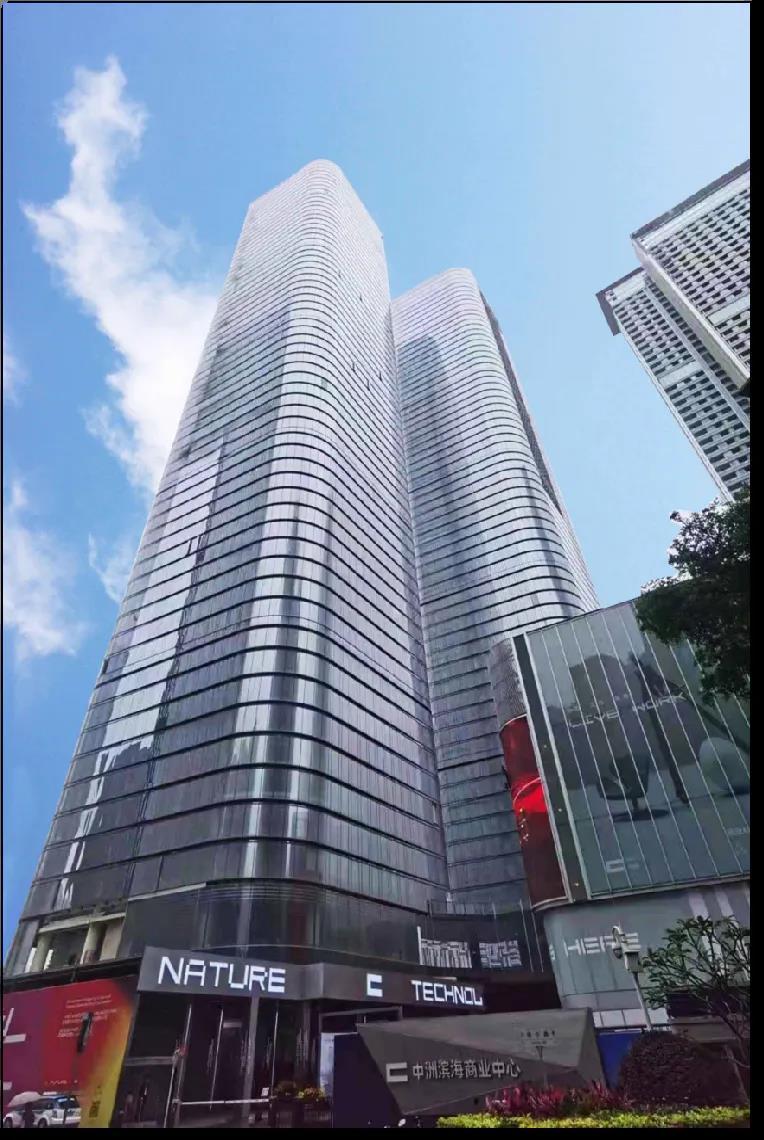
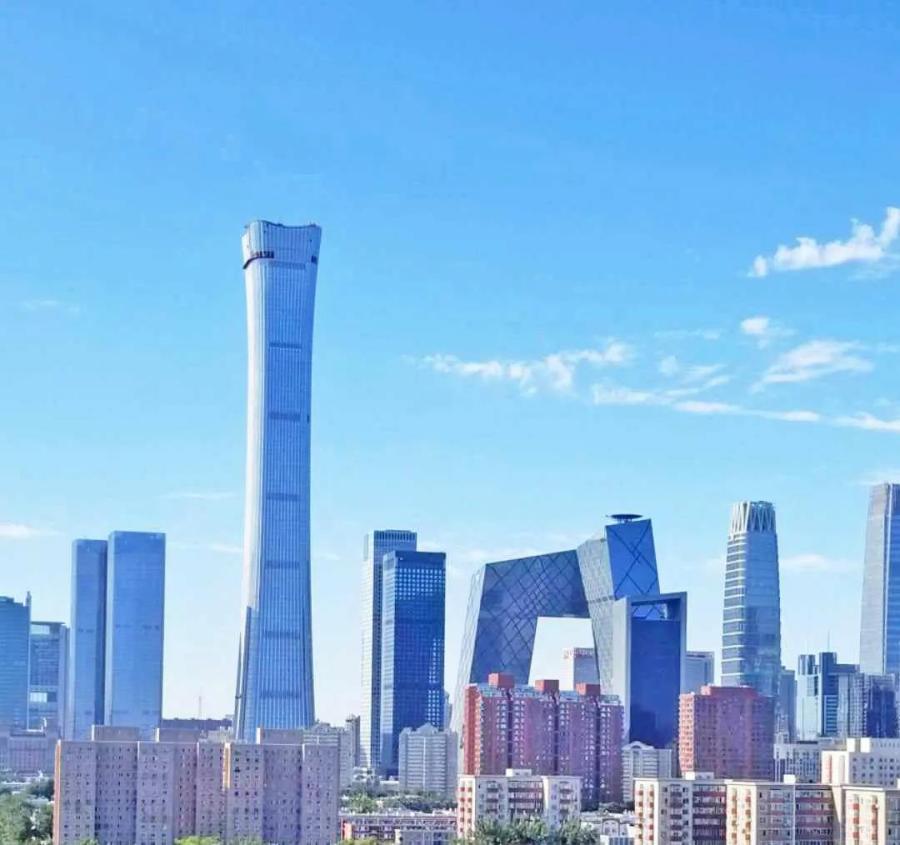
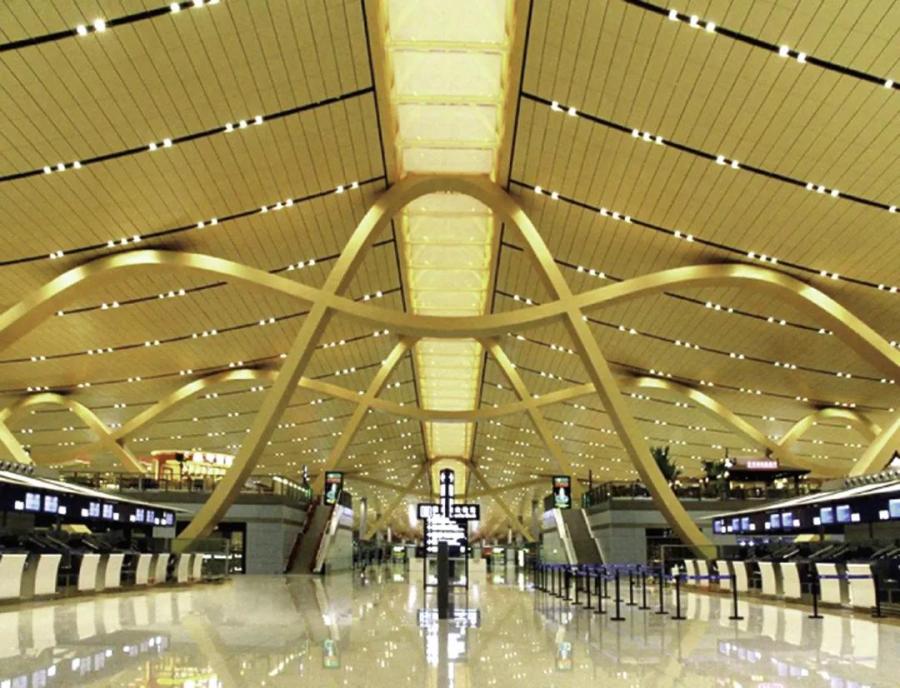
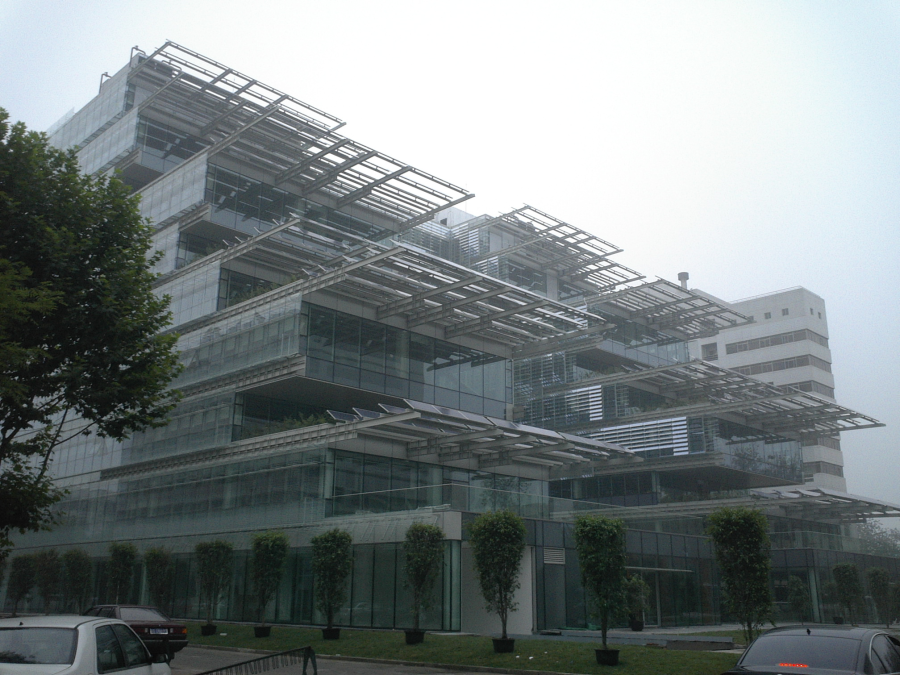
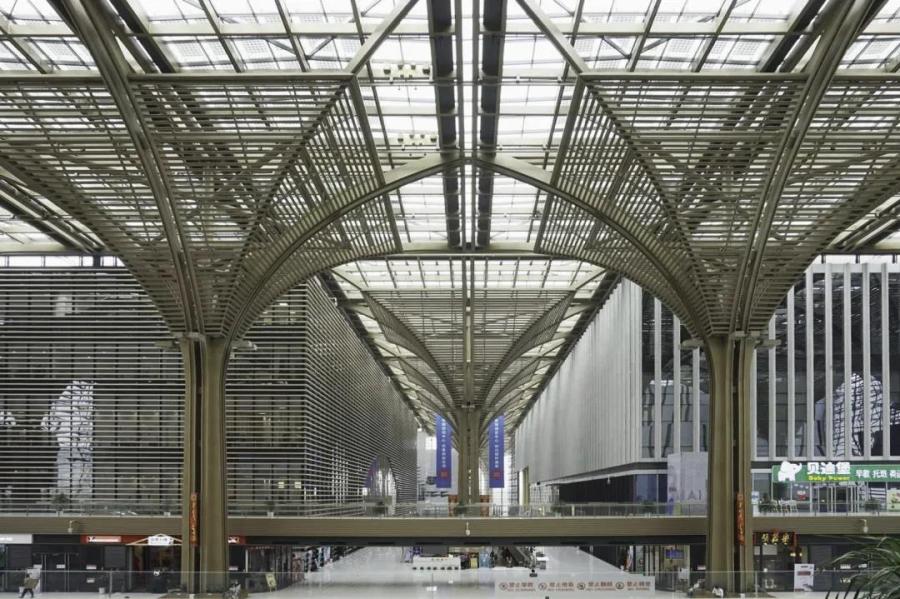
As economies develop rapidly, awareness of fire protection for steel structures is growing. While meeting fire resistance requirements, there is increasing demand for water-based intumescent coatings that are thin, decorative, easy to apply and environmentally friendly. Thin-film products are ideal for lightweight steel roof trusses, spherical grid structures and profiled steel decking in large public buildings such as airport terminals, exhibition centers and sports stadiums, satisfying both fire safety needs and aesthetic expectations.
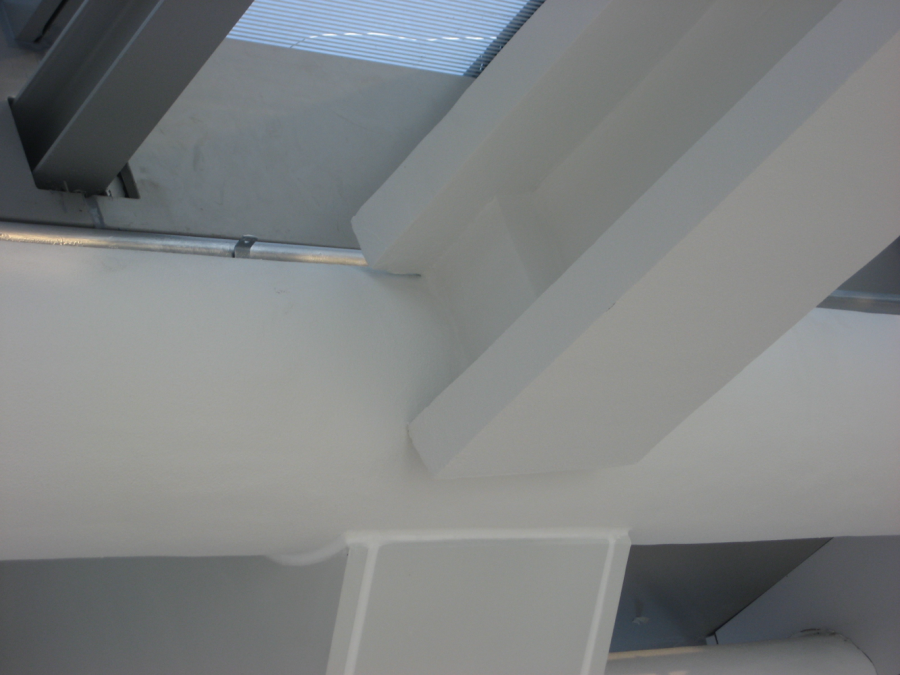
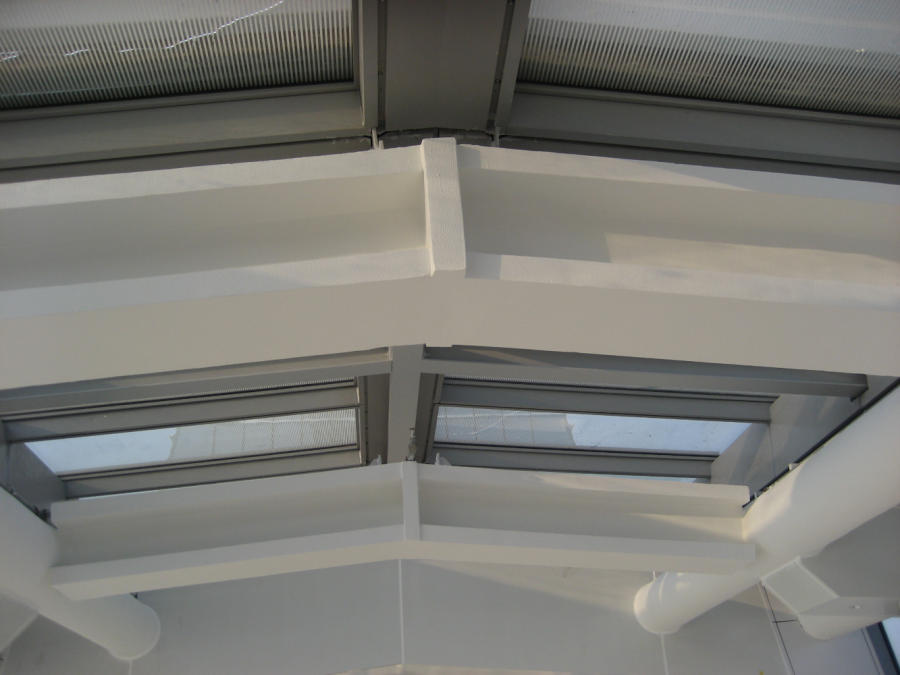
SKK water-based interior intumescent (thin-film) fireproof coating for structural steel delivers outstanding fire performance with just a few millimeters of thickness. When exposed to heat during a fire, it expands to form a dense insulating char layer 20–30 times its original thickness, effectively blocking high temperatures and delaying strength loss and the risk of collapse. It ensures excellent fire protection while keeping the steel framework visually appealing.
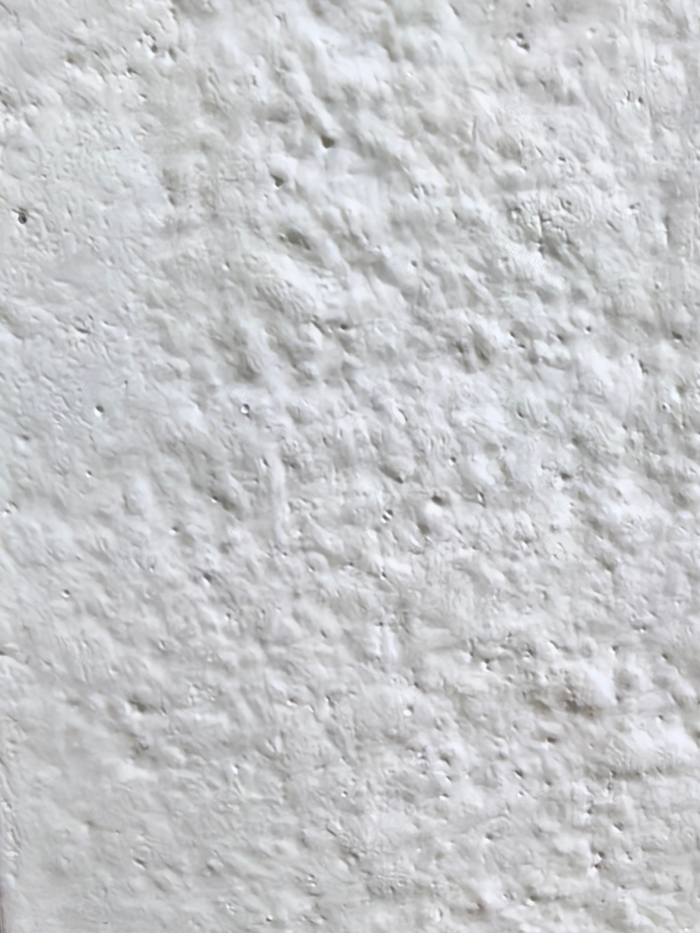
SKK non-intumescent (thick-film) fireproof coating is a cementitious, ceramic-based product. Safe and environmentally friendly, it contains no harmful rock wool or asbestos. Its bond strength (crack resistance) and adhesion far exceed national standards. Highly workable, it can be shaped as desired. Supplied as a single-component material, it is easy to apply by spray or trowel.
Attention
| 【Application Notes】 | |
| 1 | The amount of water required varies depending on the application method. For trowel application, use less water. |
| 2 | Improper substrate preparation can lead to poor adhesion, resulting in peeling, blistering, and other defects. |
| 3 | Adding too much water will improve workability but increases the risk of slumping and delamination after application. Conversely, adding too little water can cause material degradation during pumping and may lead to cracking as the material shrinks upon drying. Therefore, always follow the specified water ratio. When mixing with a mechanical mixer, blend for at least 3 minutes but no more than 5 minutes. Over-mixing can also cause material degradation, cracking, and adhesion failure. |
| 4 | To ensure proper film formation and drying, provide adequate ventilation after application. If strong winds could affect the curing process, install windbreaks as needed during application. |
| 5 | Application thickness guidelines: Generally, the first coat should be applied at a thickness of no more than 7 mm. Applying too thick a layer in one pass can cause slumping due to the material's own weight, which reduces adhesion and may lead to detachment or peeling. Before applying the second and third coats, verify that the first coat has hardened sufficiently (typically after 24 hours). For subsequent coats, aim for a thickness of around 10 mm per coat. Complete drying between coats is not required; you may proceed once the layer has set. |


