
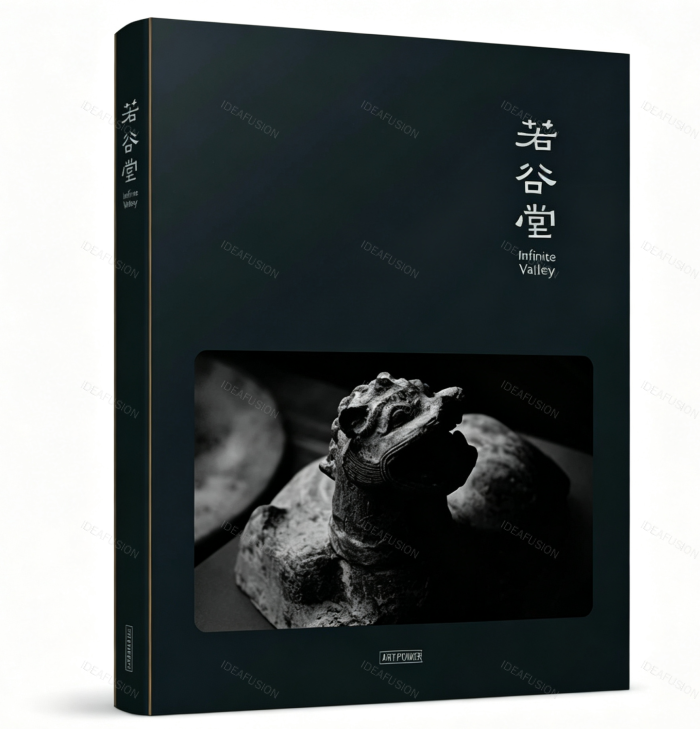


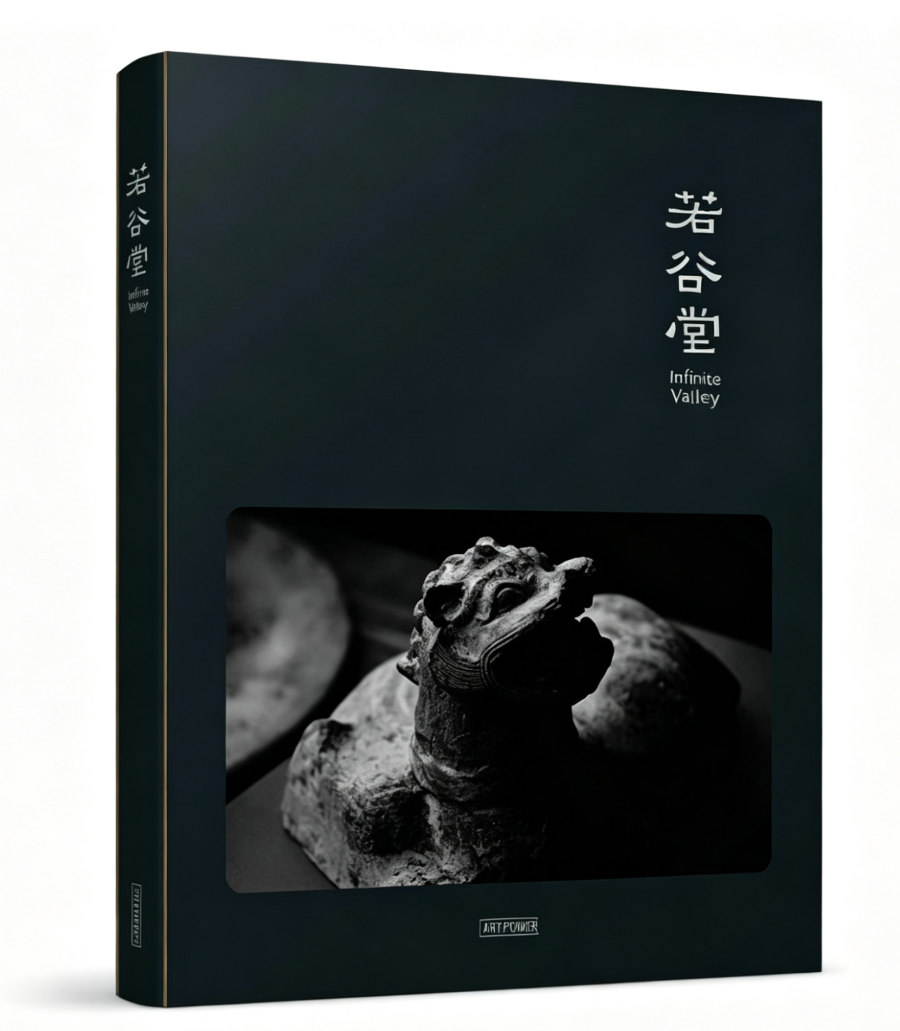
Ruogu Tang: Chinese Edition 2

Details
Infinite Valley (Ruogu Tang) is a spatial artwork by contemporary artist Chen Duxi. Its name was inspired by the Tao Te Ching, using “valley” as a metaphor for the Dao and evoking connotations of containment and growth. In response to the physical and mental challenges people face today, Chen Duxi proposes “Tranquil Ease Aesthetics.” Taking Chinese aesthetics as a starting point and drawing on the classical philosophy behind it, he seeks to construct through art a contemporary Eastern aesthetic concept, conveying a traditional cultural quality—transcendent, fluid, and relaxed—that can be integrated into daily life. The space consists of a courtyard, study, chess room, tea room, music-listening room, and antiquities room, among other areas. It carries a “retro” sensibility yet is not a faithful reproduction of traditional formats. Instead, it creatively invokes and juxtaposes visual elements from different eras and cultural contexts in a way that crosses time and space. This field—compressing time and space and mixing diverse elements—precisely interprets the metaphysical idea of “Tranquil Ease Aesthetics.” By returning to thought, it reshapes form, transforming the trivialities of daily life into artistic practice and life ritual. Through this book, we hope to present Chen Duxi’s systematic aesthetic paradigm and spatial art practice, built around Eastern artistic conception, putting onto paper his contemplation of life, his exploration of essential laws, and his connections between cognitive structures.


