


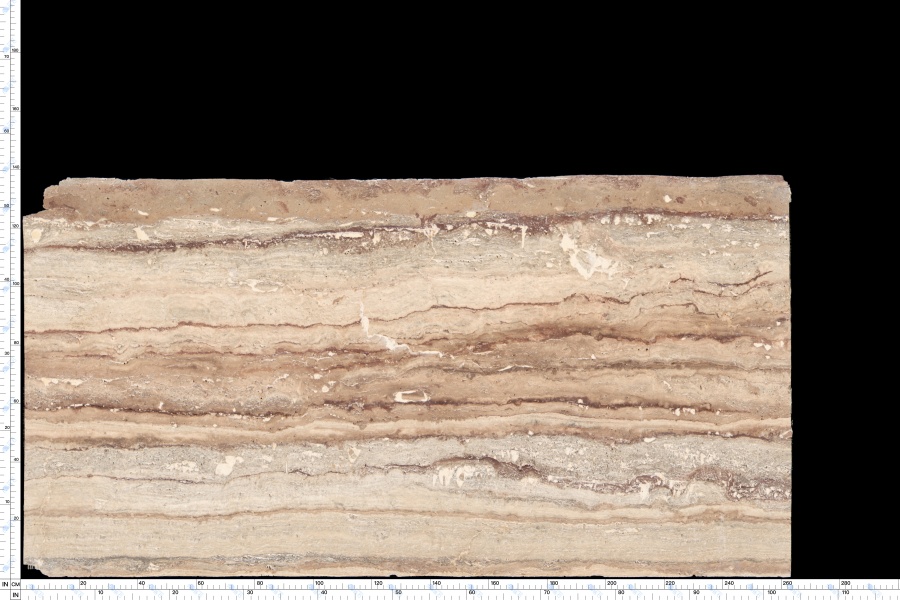
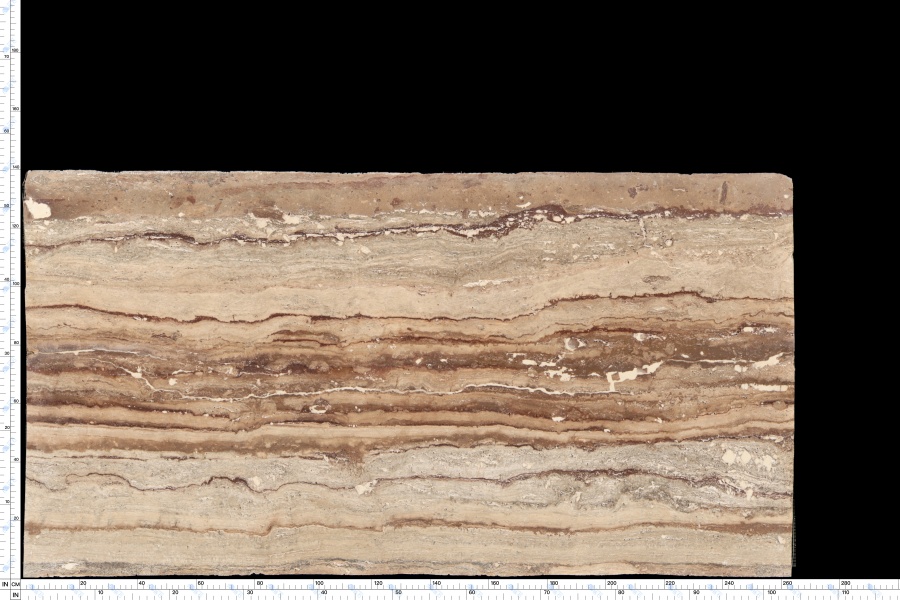
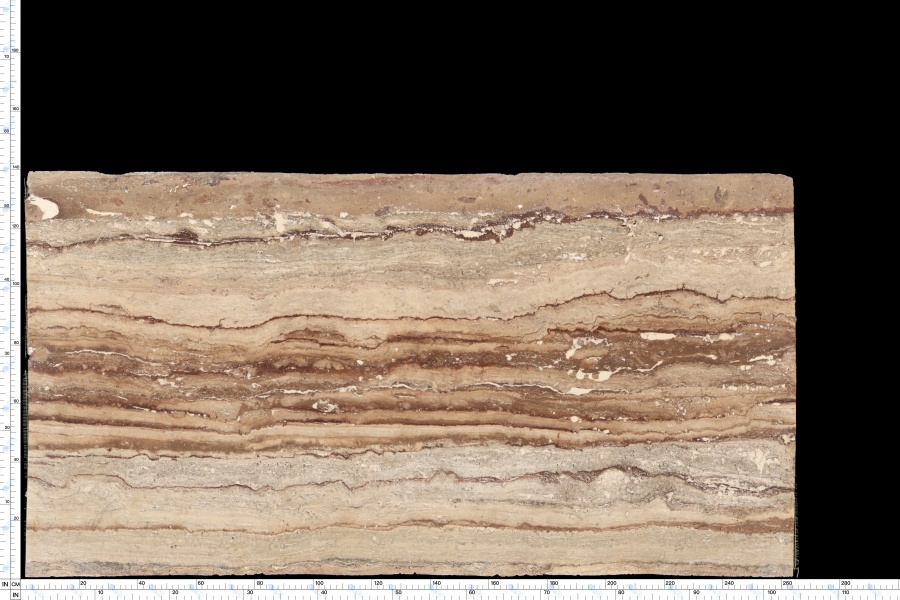
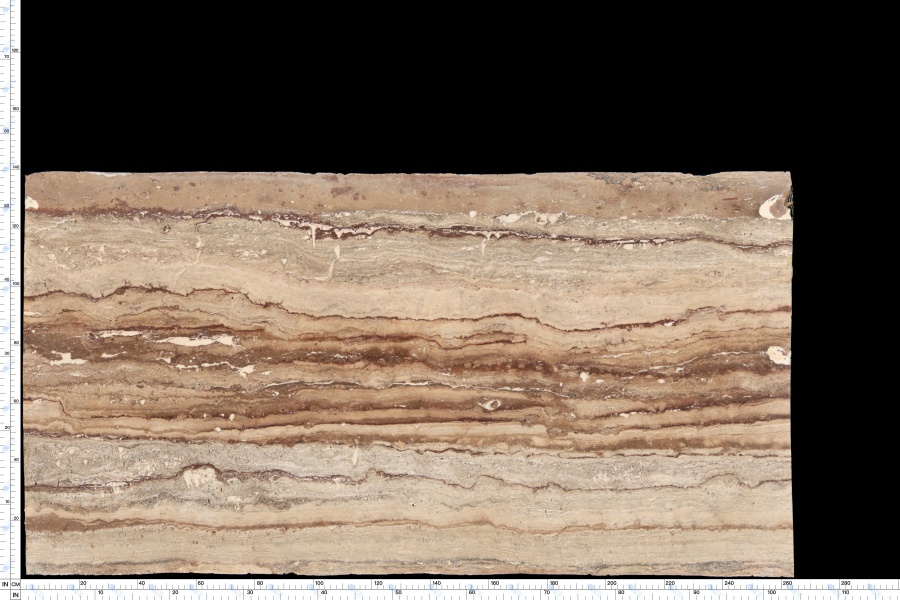
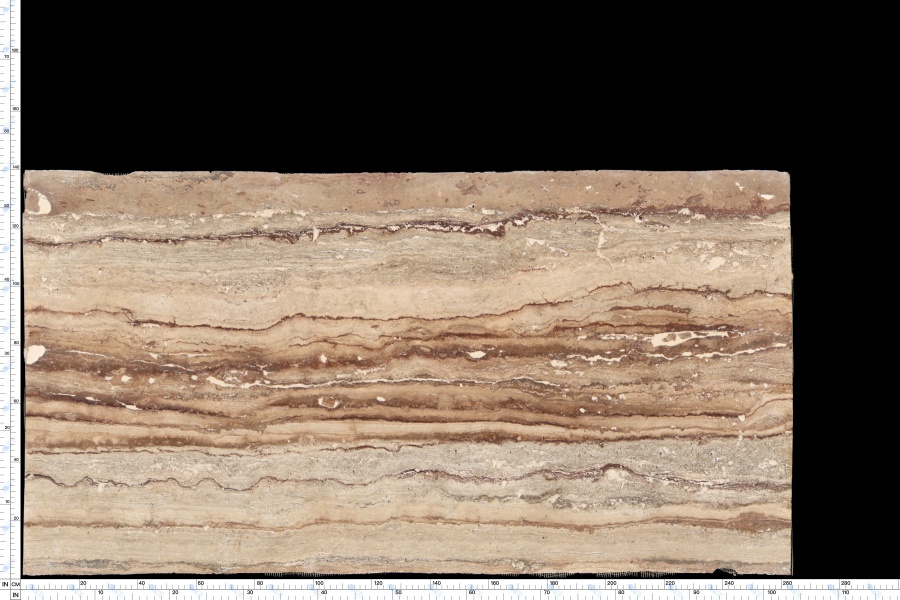
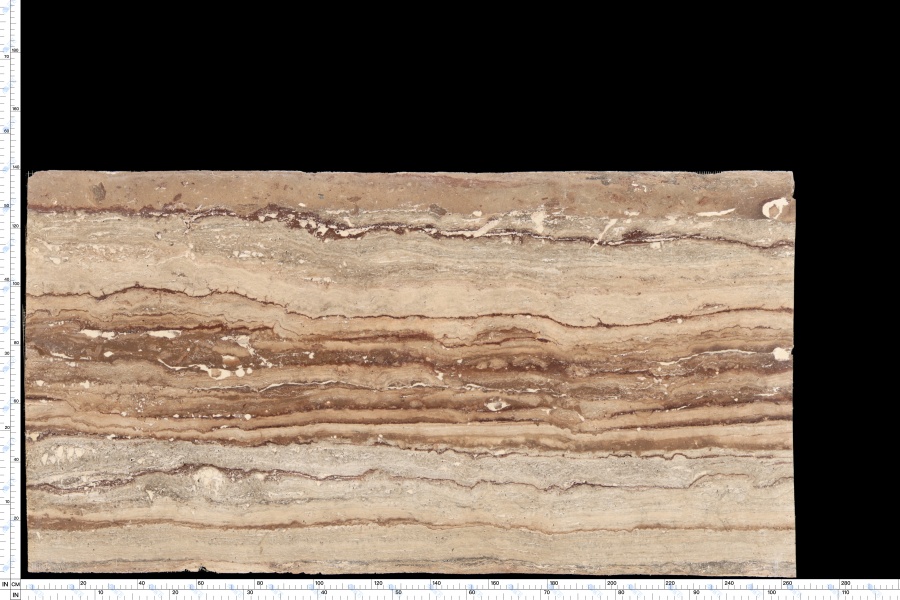
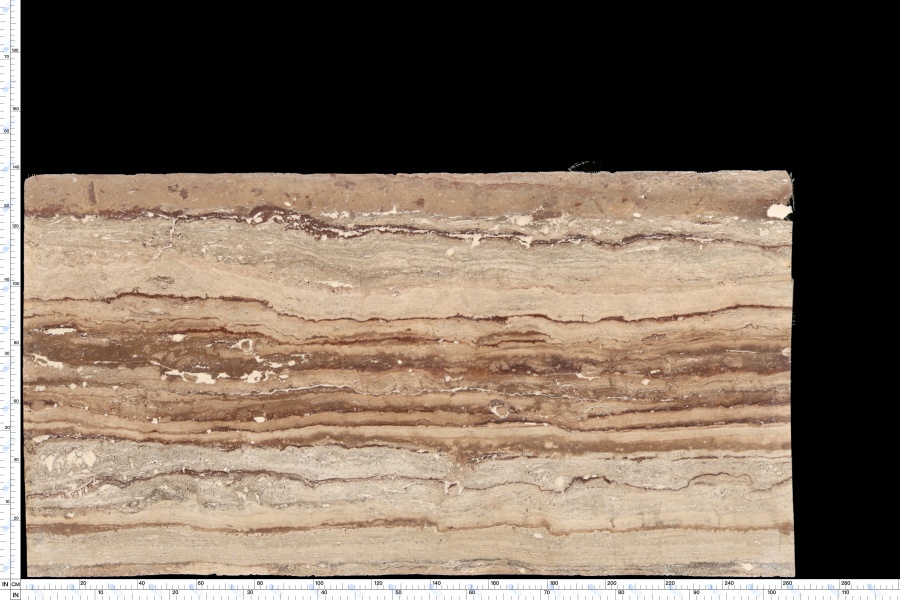
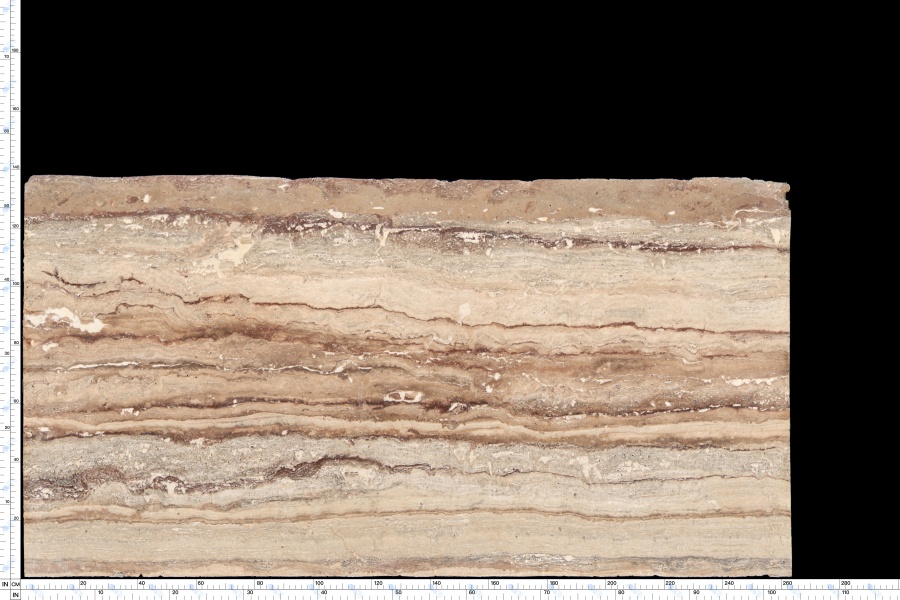
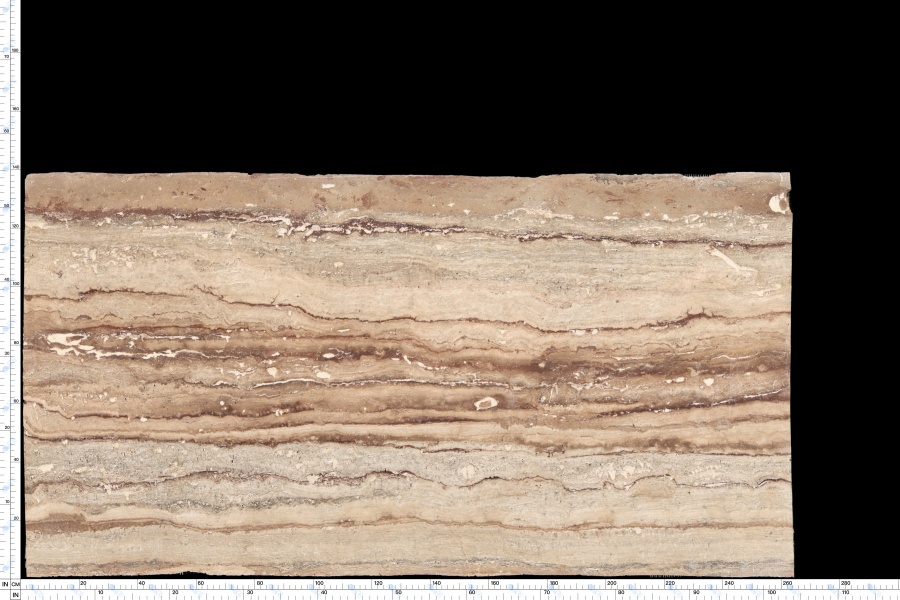
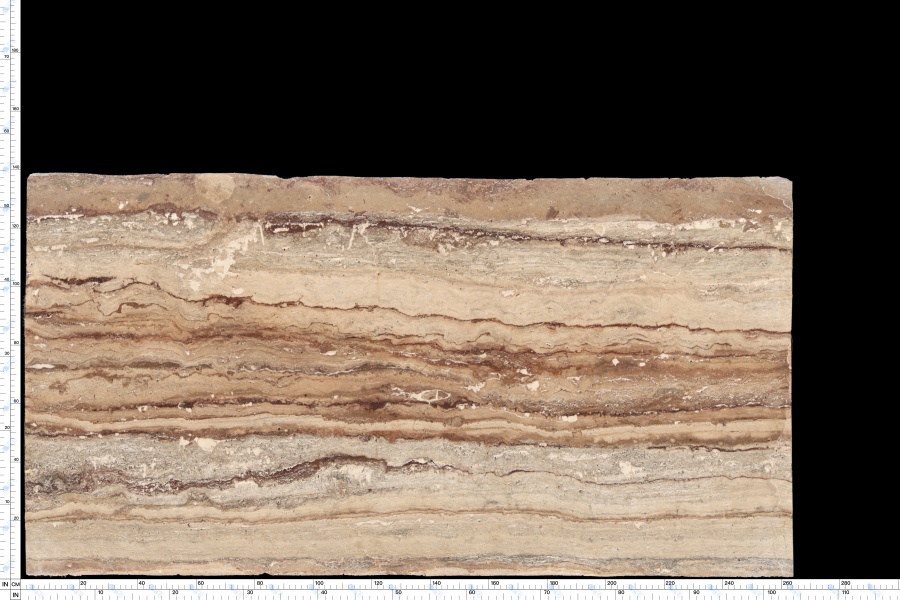
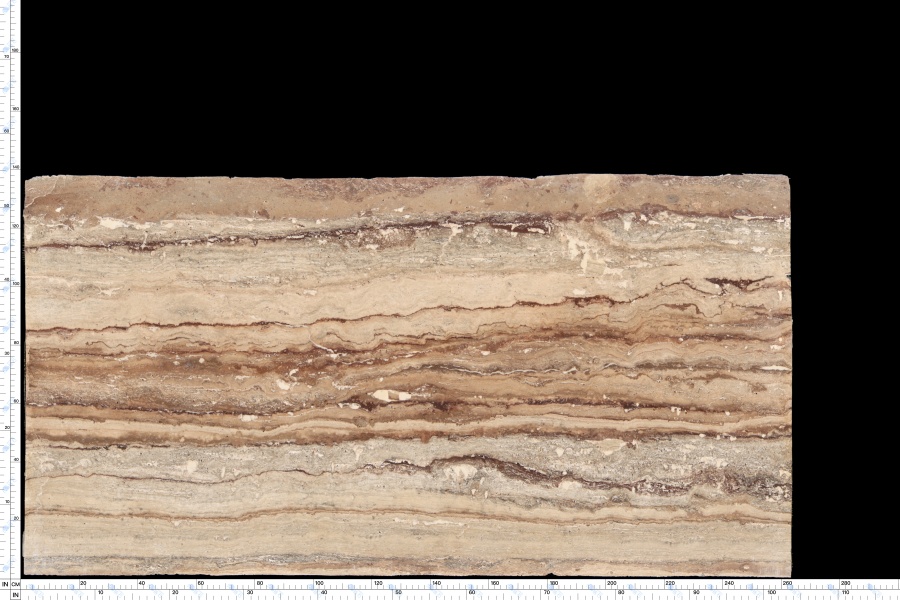
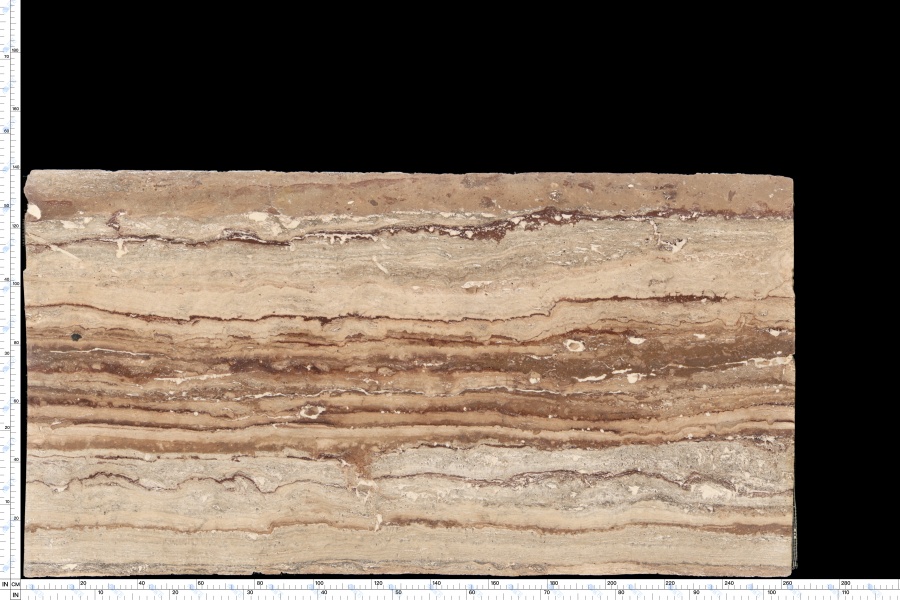
Tiramisu





Attention
1、The base cement must not exceed the standard. Cement grades include 300#, 400L, 420L, etc. For flooring, it is recommended to use grade 325#.
2、Stone installation methods include: 1) Wet installation, 2) Dry-hanging, 3) Adhesive bonding. Wet installation: When using the wet installation method, avoid using sea sand. Sea sand has a high salt content, which can penetrate the stone and cause efflorescence. The middle layer should be a stone adhesive; use an off-white stone adhesive to prevent do not dry polish. Clean the generated slurry promptly. After the final polishing step, make sure there is no slurry on the surface. Clean the stone surface thoroughly. If slurry dries in the stone pores, it will turn white, creating a high contrast with the stone color, leading to widespread blotches. After large-area polishing, clean the stone as thoroughly as possible and keep the surface dry. Then use a crystallization cream with a white polishing pad, allowing the stone surface to fully absorb it, so as not to affect the final appearance. Note: During installation, the back of the stone must not come into direct contact with cement paste. Cement is strongly alkaline; direct contact can easily cause efflorescence. During construction, workers are forbidden to smoke on site to prevent cigarette ash from falling into the adhesive and causing contamination. Keep the construction environment dry and clean. If the environment is damp or wet, efflorescence may occur. Keep the indoor floor dry; dampness can cause efflorescence and other problems. After stone installation is completed, immediately cover the stone surface with protective film or gypsum board to prevent workers from stepping on or soiling the stone surface.


