
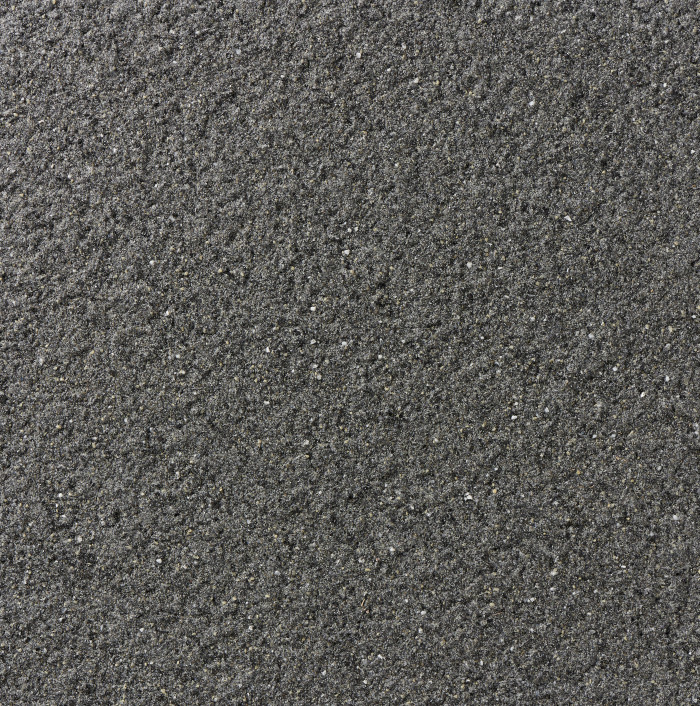


Stone Texture Paint

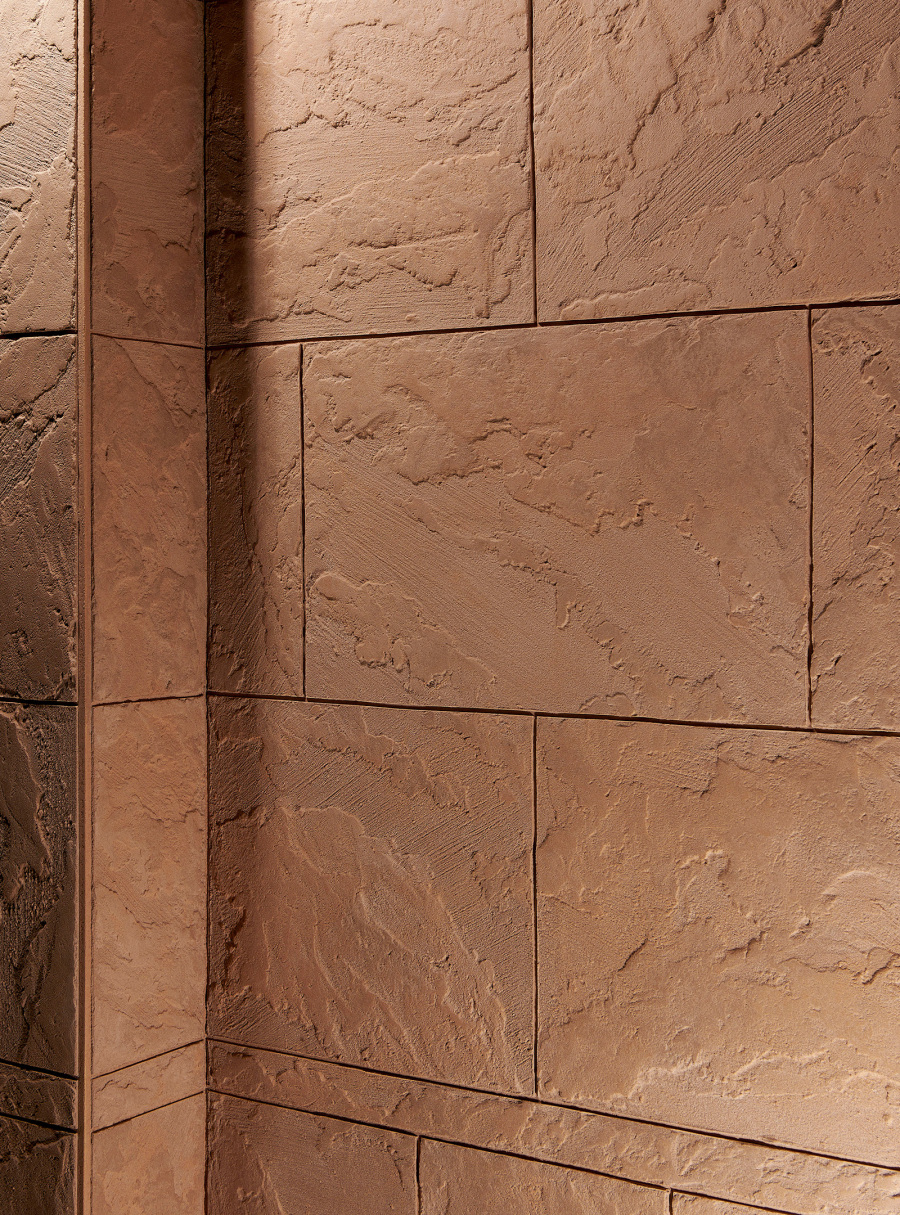
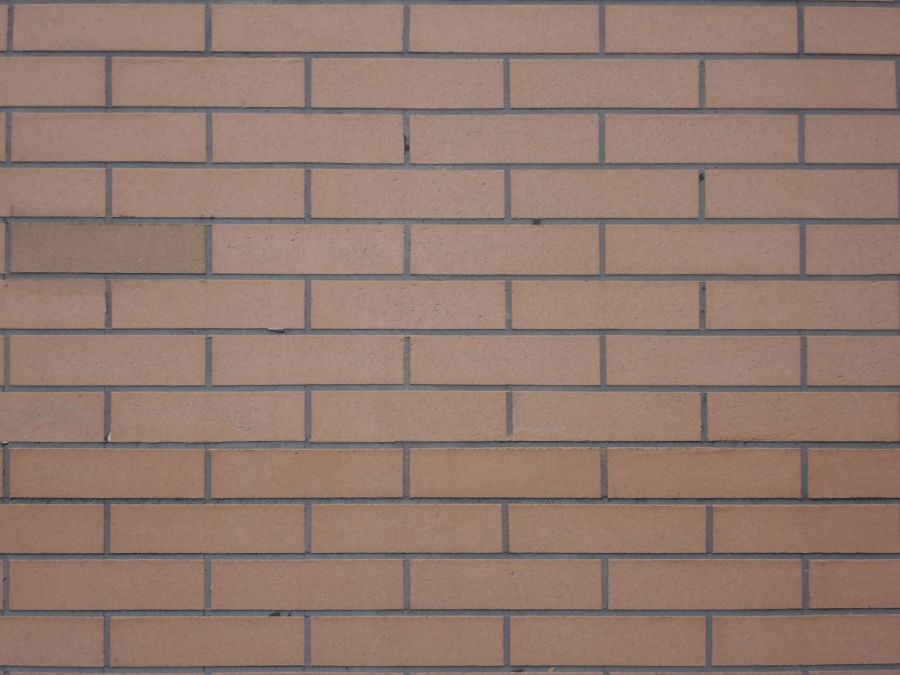

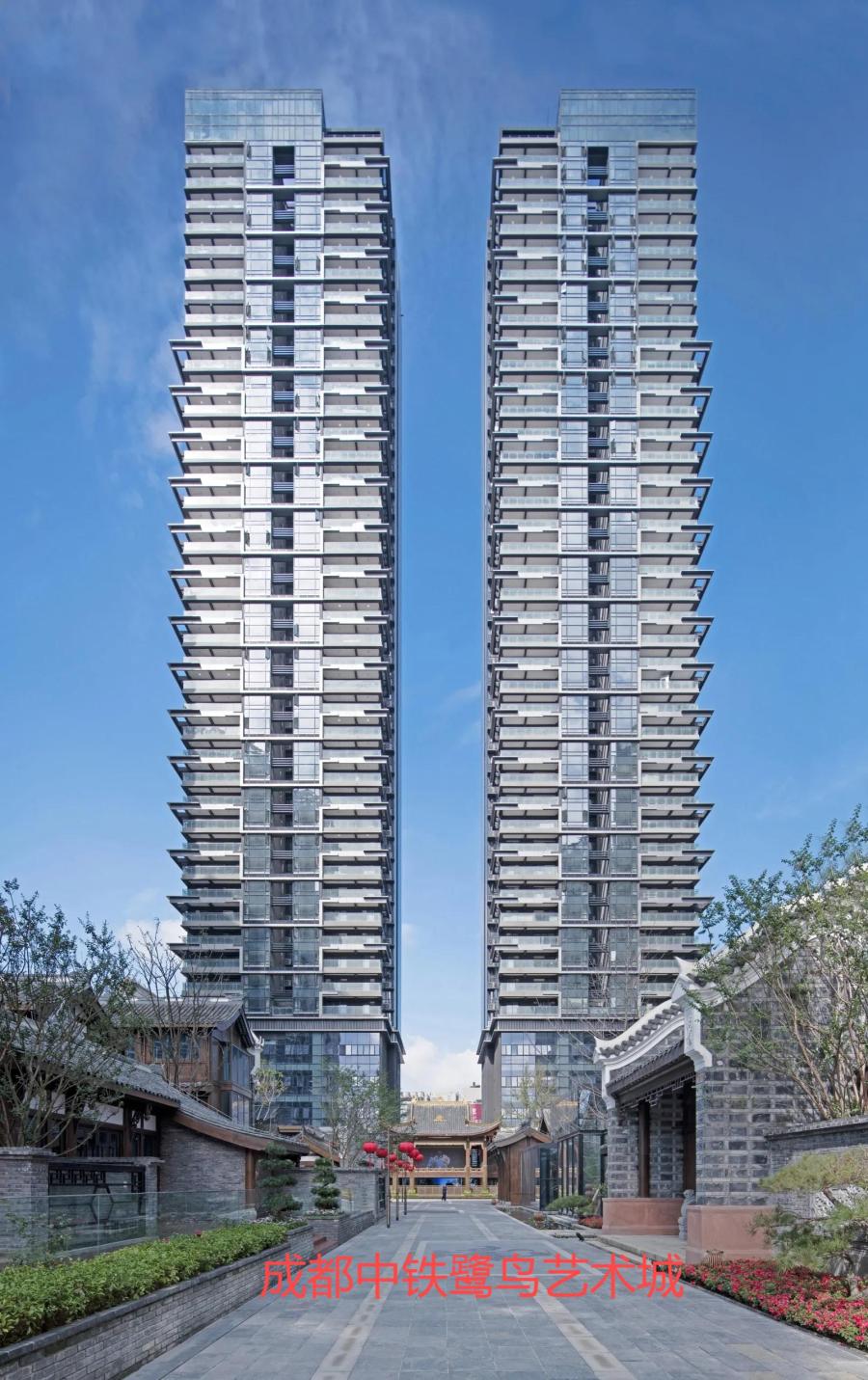
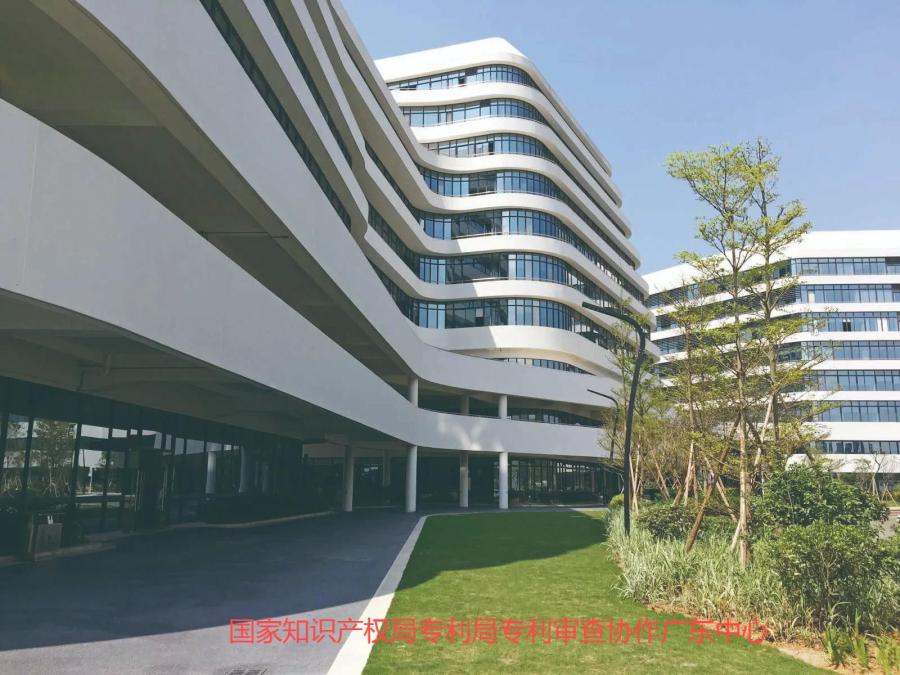




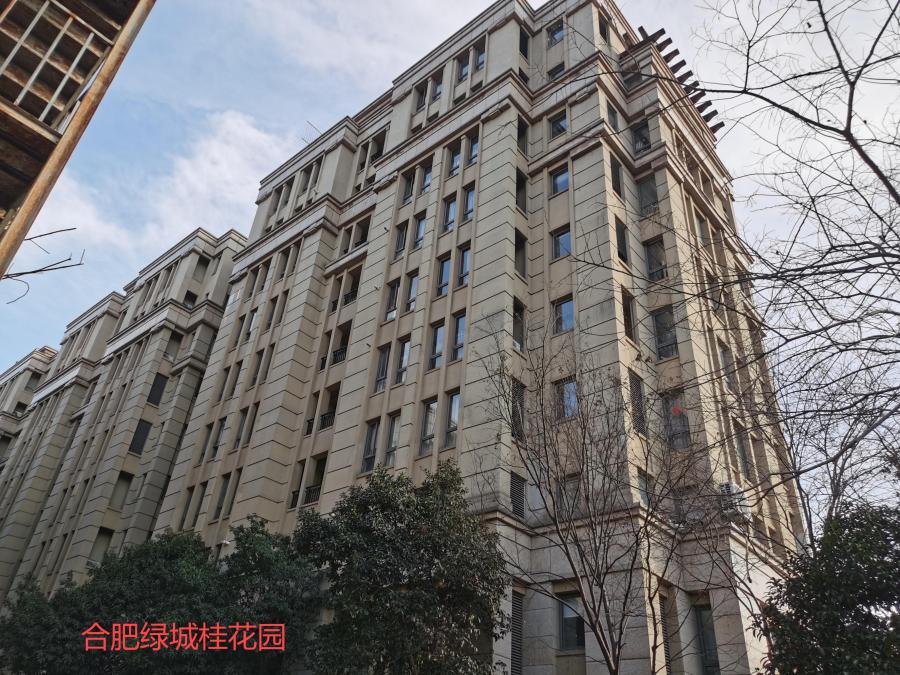
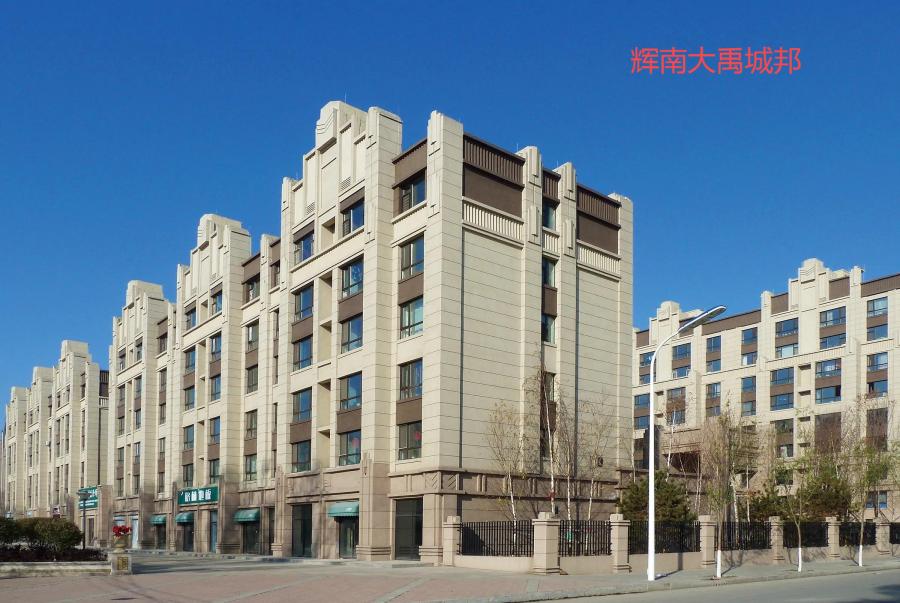

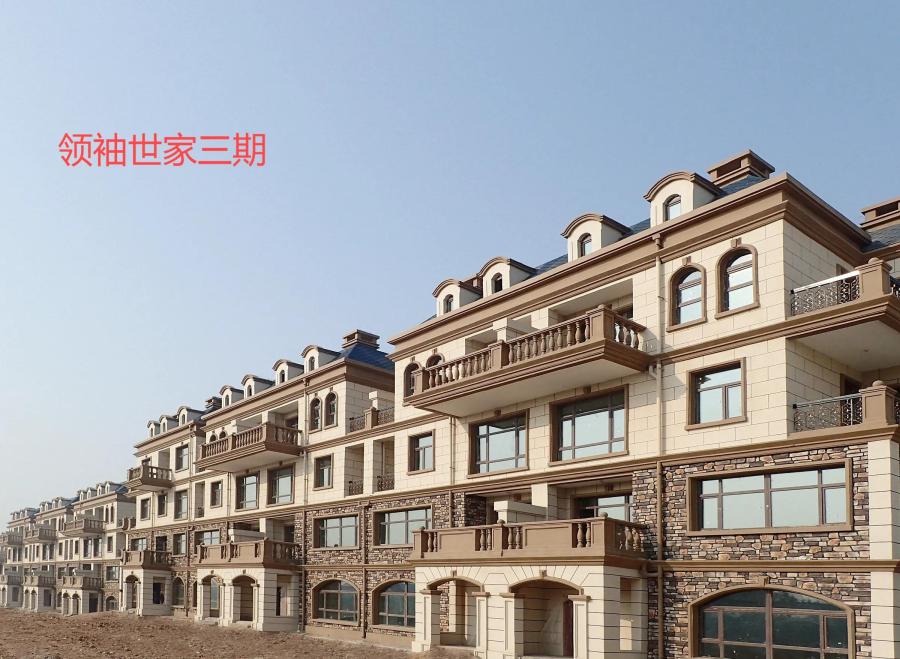

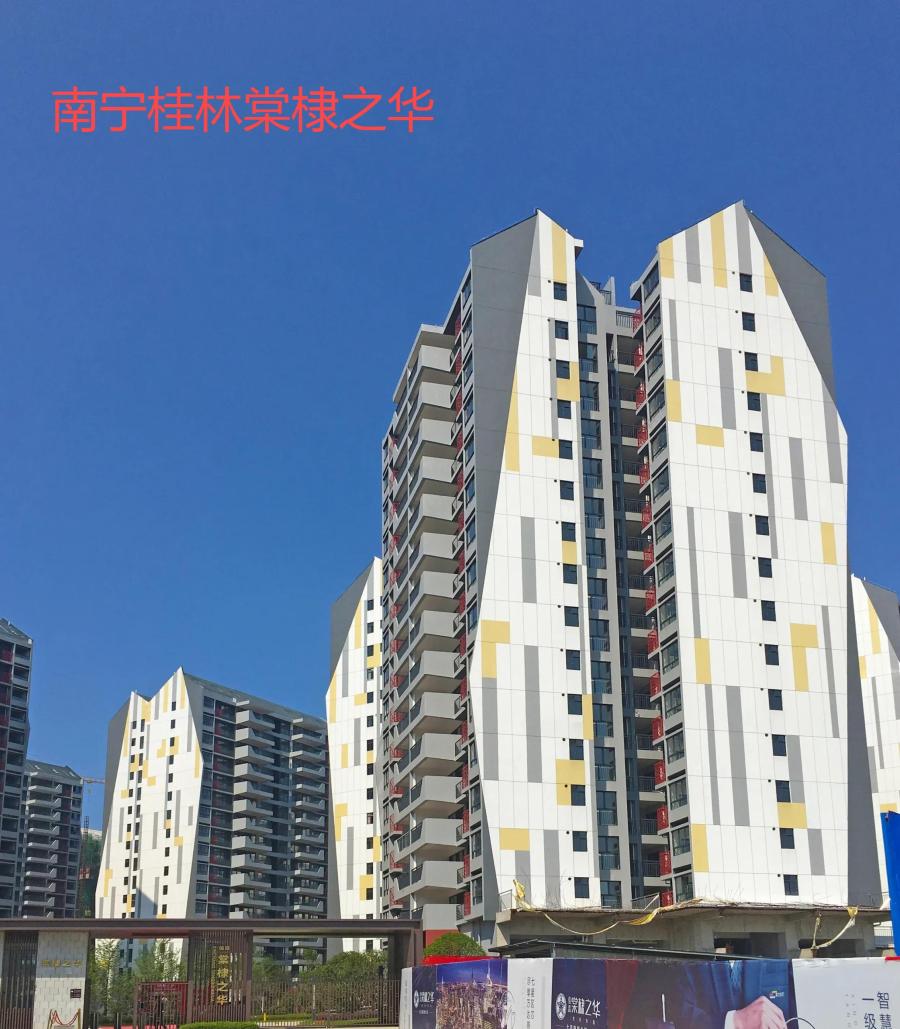
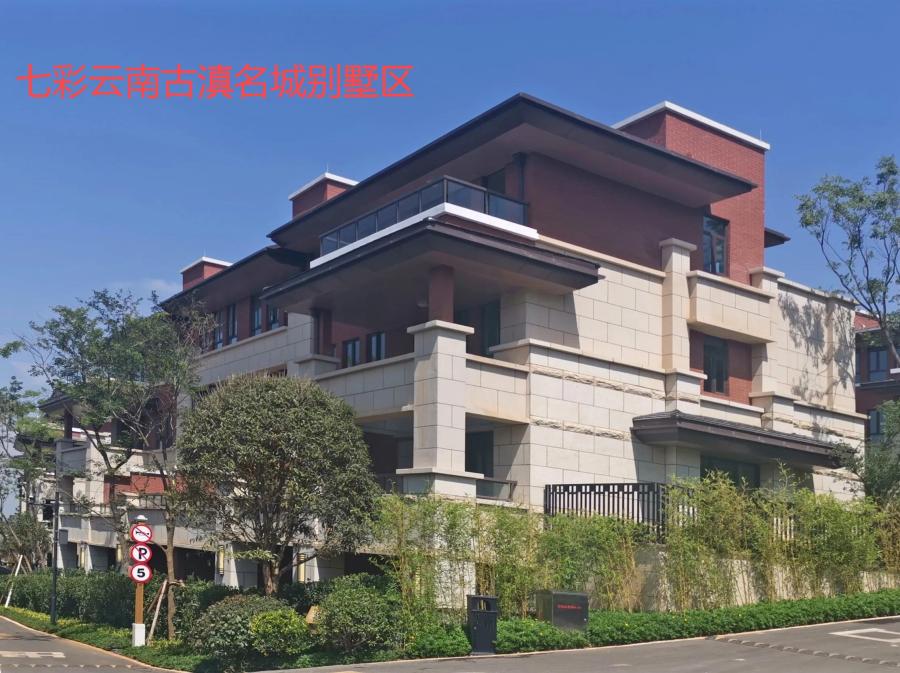


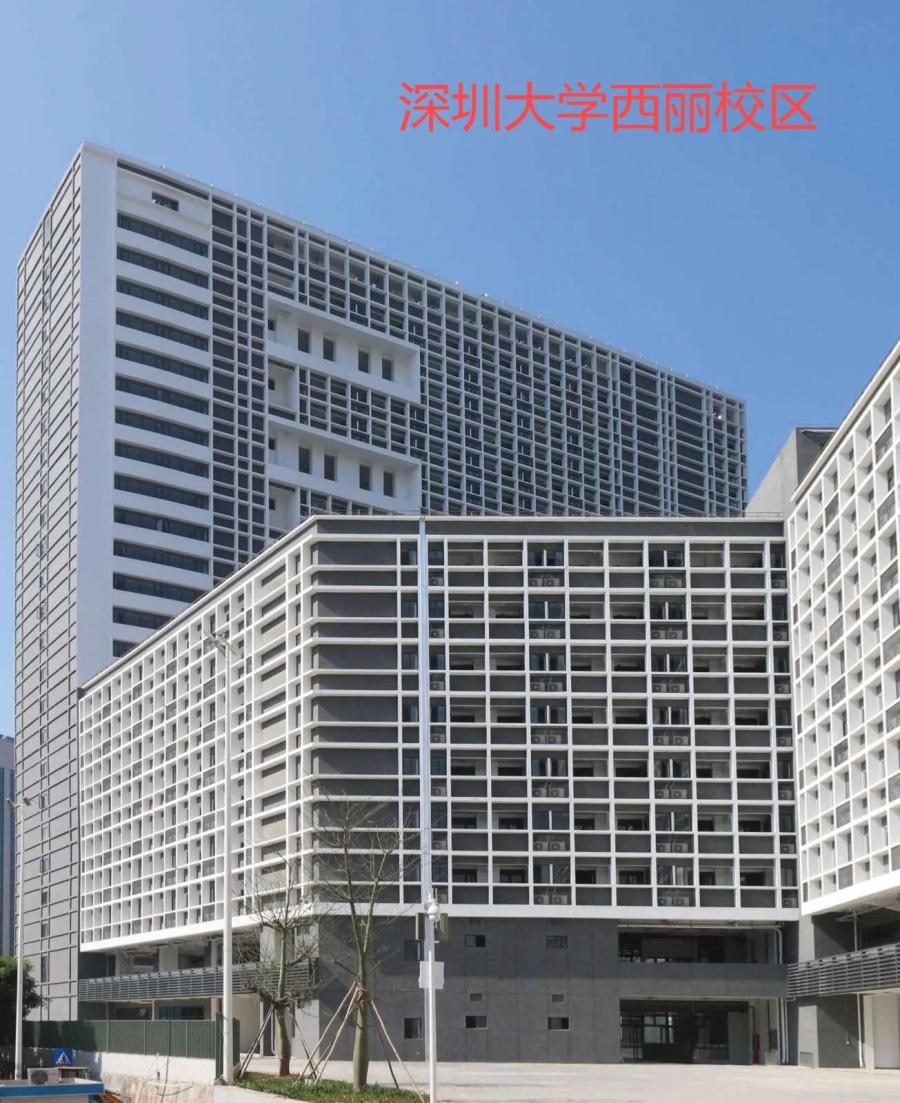
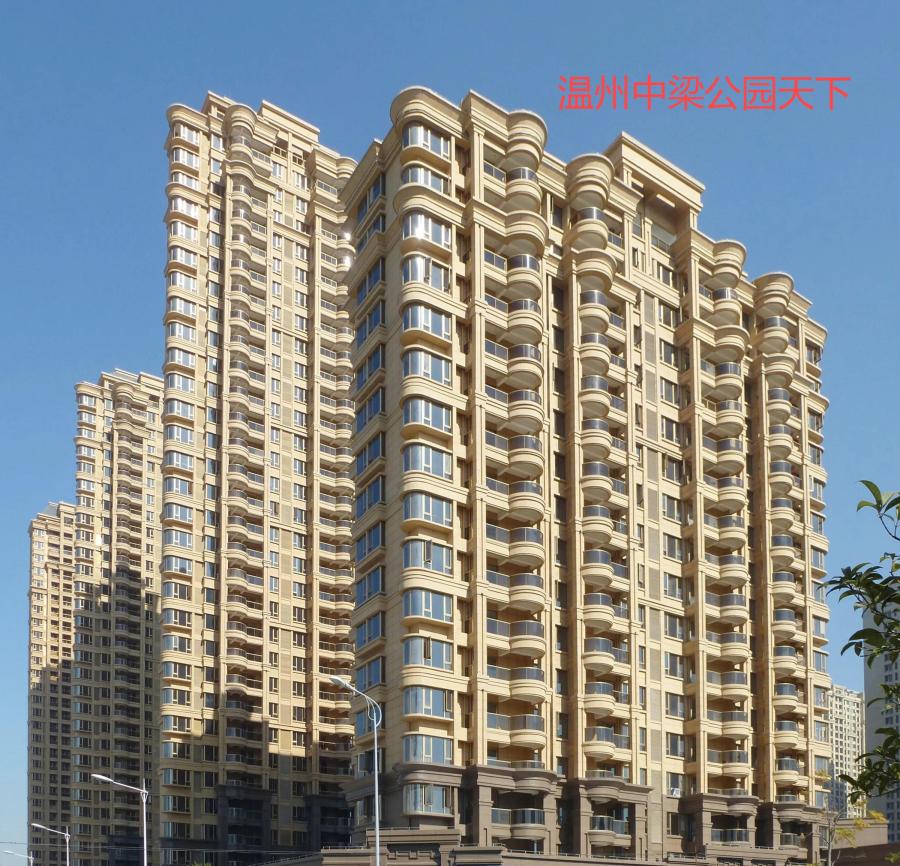
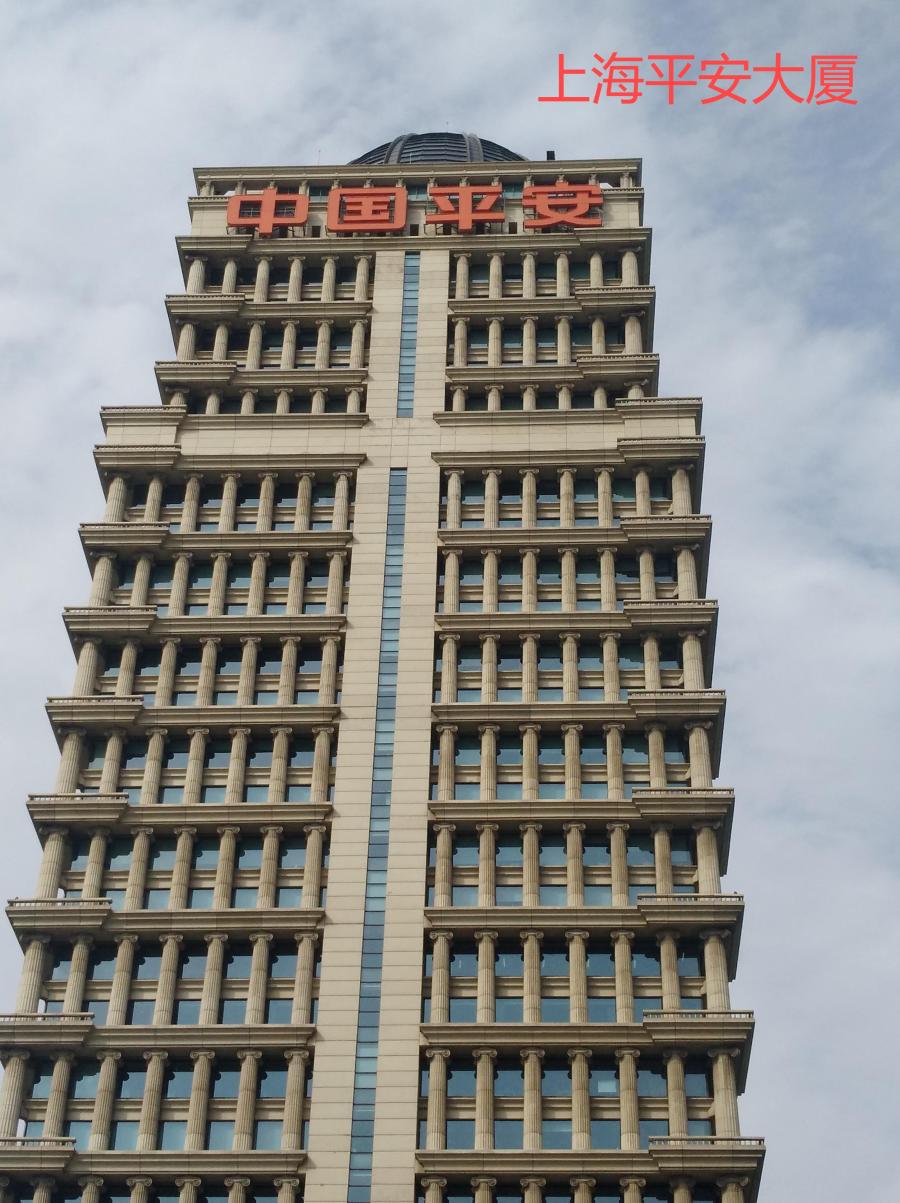
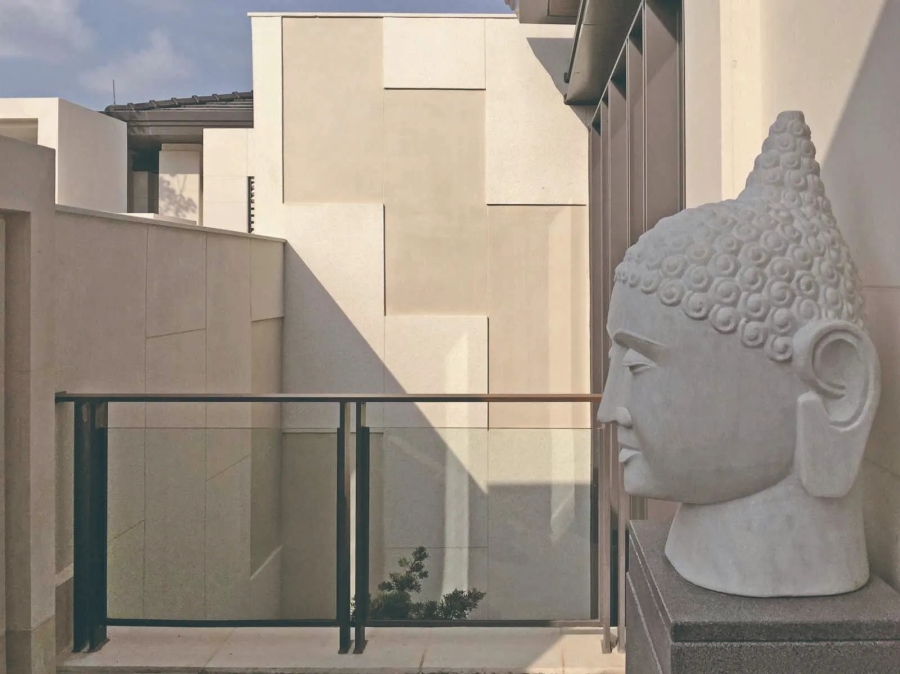


Details
Attention
Application Guidelines and Conditions
I. Application Notes
1. Recommended tools for exterior application: airless sprayer, universal spray gun, short-nap roller, texture roller, paint sprayer.
2. Substrate absorption can vary, which may cause color inconsistencies. Always apply a sufficient amount of the specified primer and topcoat to ensure uniform coverage. Because the coating is thin, surface irregularities will show through; for the best finish, make sure the substrate is as smooth and even as possible.
3. Where possible, work continuously. If you must stop, plan the break at a natural joint or corner to avoid visible lap marks.
II. Weather and Climate Conditions
Temperature:
① Do not apply when the temperature is below 5°C (41°F), or when rain or snow is expected.
② When there's a large temperature swing between morning and evening, adjust the application schedule based on the surface temperature.
③ In winter, stop early enough to allow the coating to dry before nighttime temperatures drop too low.
④ Never apply onto a frosted or icy surface.
Wind:
Stop work if the wind speed exceeds 5 m/s (approx. 11 mph). Wind-blown dust and debris can contaminate the fresh coating before the protective topcoat is applied.
Rain:
If the applied material is not fully dry when rain hits, the film formation will be damaged. Monitor the weather closely before, during, and after application, and adjust the schedule accordingly.
Condensation and Dew:
Applying coating onto a surface with condensation will result in poor adhesion and reduce long-term durability.
Humidity:
High humidity slows down drying. As a general rule, pause work when relative humidity exceeds 80%.
III. Job Site Management
1. Before starting full-scale application, always do a test area to confirm the desired finish and color.
2. Allow sufficient drying time between coats so each layer cures properly.
3. If the coverage rate falls below the specified amount per unit area, the result may show through the substrate or appear uneven in color.
4. After finishing, inspect the work carefully while scaffolding or cradles are still in place; it is much harder to fix issues once access equipment is dismantled.
IV. Protection
Start protective measures immediately after finishing. Remove any drips or spatters from door frames, windows, and other adjacent surfaces promptly. During application, mask off areas that should not be coated with protective film or builder's paper.
V. Material Storage and Handling
1. Store in a cool, dry place away from direct sunlight and high temperatures (always keep the storage temperature above 5°C/41°F).
2. For solvent-based materials, take precautions against fire. In case of fire, use a dry powder extinguisher or sand; do not use water.


