


Magnetic Lock Body (Concealed Latch Bolt)

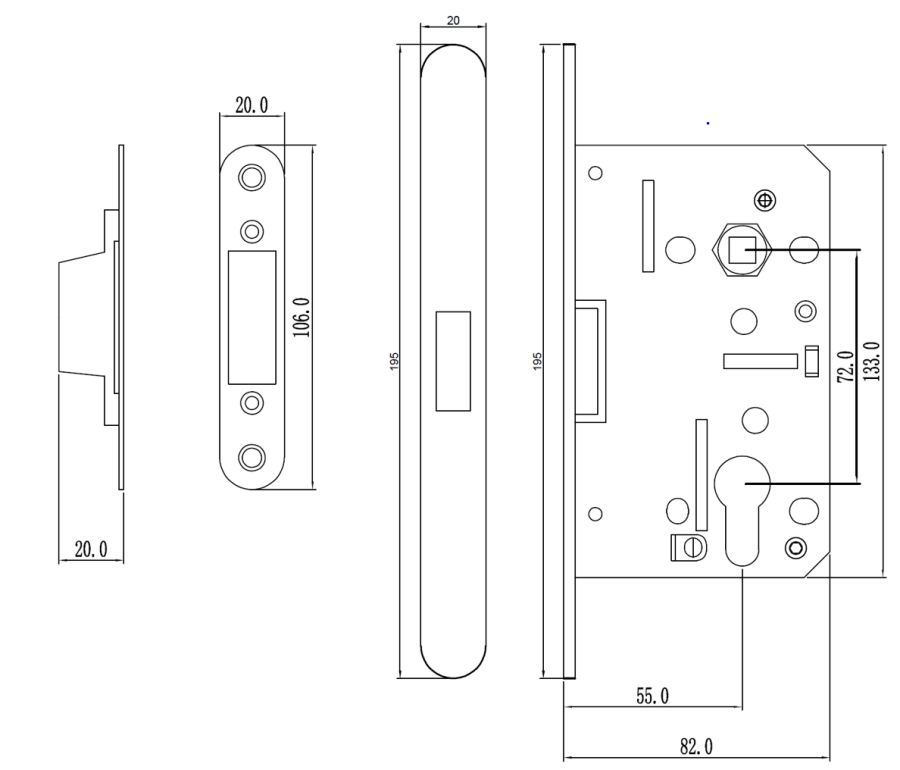
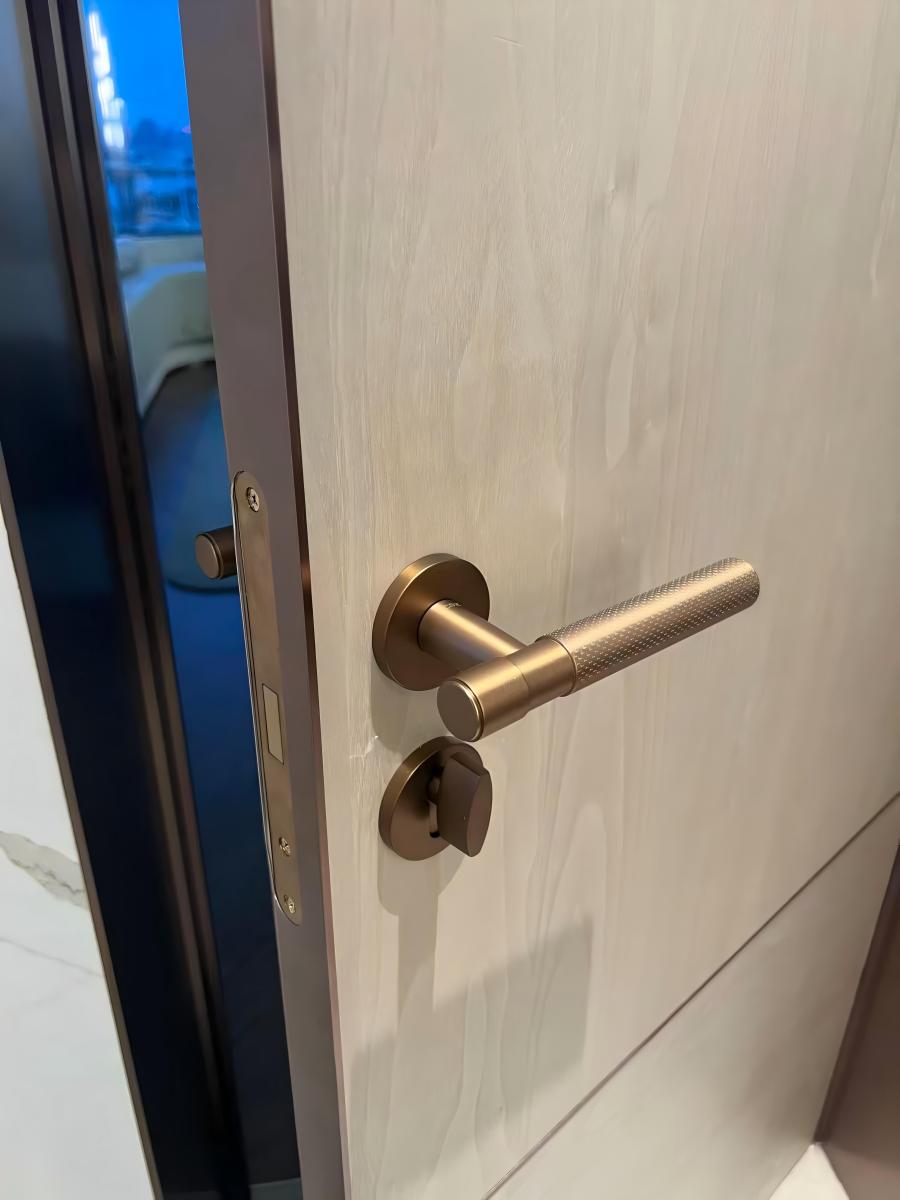
Details
· Silent – Significantly reduces door-closing noise
· Safe – Concealed latch bolt with no protruding parts (you won’t even see it)
· Convenient – When the door closes, the latch bolt extends automatically; when you press the handle to open, it retracts automatically
Product Features
Patent: Patented structure with smooth latch movement, quiet operation, and an exceptionally long service life, meeting European standards.
Lock Body and Faceplate: The main lock body is made of steel, and the lock case is fully sealed to keep out wood chips and dust.
Latch Bolt: Nylon, lubricated, magnetic, symmetrical square, and non-handed for universal left/right installation.
Strike Plate and Strike Box: Made of steel and nylon, lubricated, magnetic, and non-handed. The strike plate and latch box have different thicknesses on each side and can be adjusted to four sizes to fit various gaps between the door leaf and door frame stop, preventing door rattle or overly tight closing caused by manufacturing and installation tolerances.
Function: When the door is open, no parts protrude from the lock body surface, and the latch bolt retracts into the lock body by magnetic force. When the door closes, the magnetic strike box automatically draws the latch bolt out to secure the door. The innovative single latch bolt combines the functions of a traditional spring latch and a square deadbolt.
Attention
1. Lubrication: twice a year to stop the squeaks
Over time, the pivot and latch of a door handle can become dry from friction, causing a harsh noise when the door is opened or closed.
How to do it:
Dip a cotton swab in petroleum jelly or sewing machine oil (do not use WD-40! It is highly corrosive and can damage plastic parts).
Apply it mainly to the pivot gap and the latch sliding area, then gently turn the handle so the lubricant works its way in.
Finally, wipe away excess oil with a dry cloth to keep dust from sticking and forming clumps.
2. Tighten screws: once a month to prevent loosening and falling off
The mounting screws on a door handle (usually on the bottom or back) can loosen from the vibration of opening and closing the door. In severe cases, the handle may fall off.
How to do it:
Use the correct screwdriver type (commonly Phillips or Allen key) to check all screws.
If slightly loose, turn clockwise to tighten (do not overtighten, or you may strip the threads).
If the screw hole is stripped, place a small piece of thin paper in the hole before tightening to add friction.


