


Cast Iron Freestanding Wood-Burning Stove

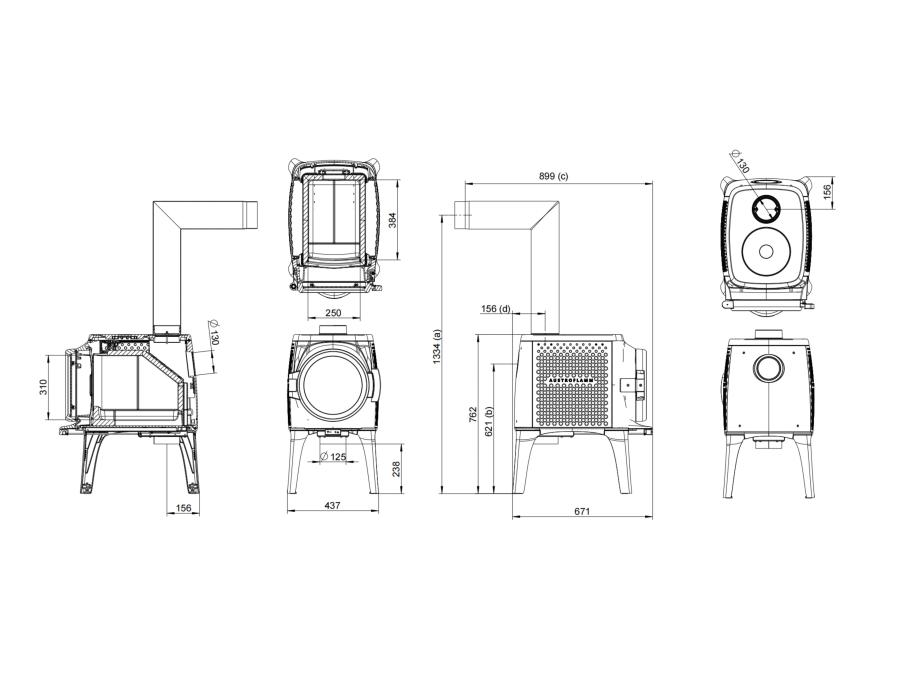
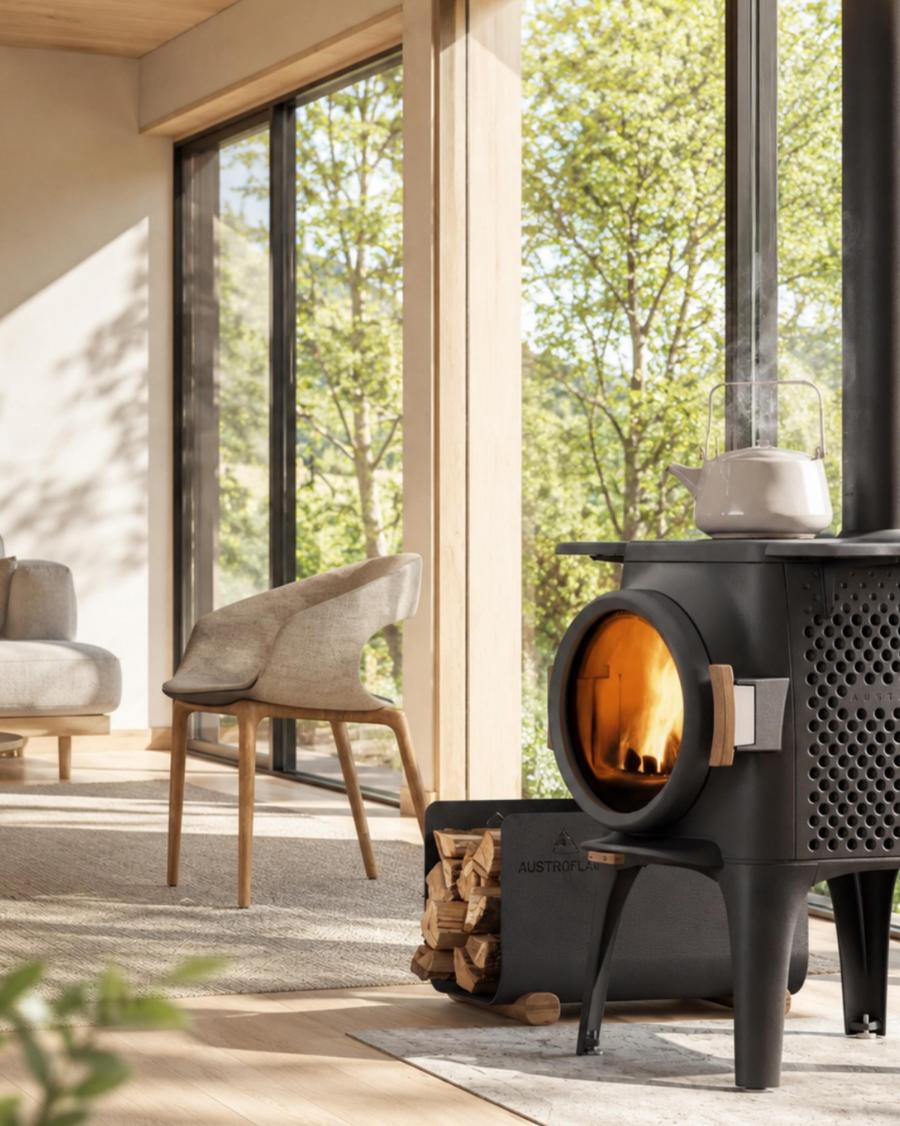

Details
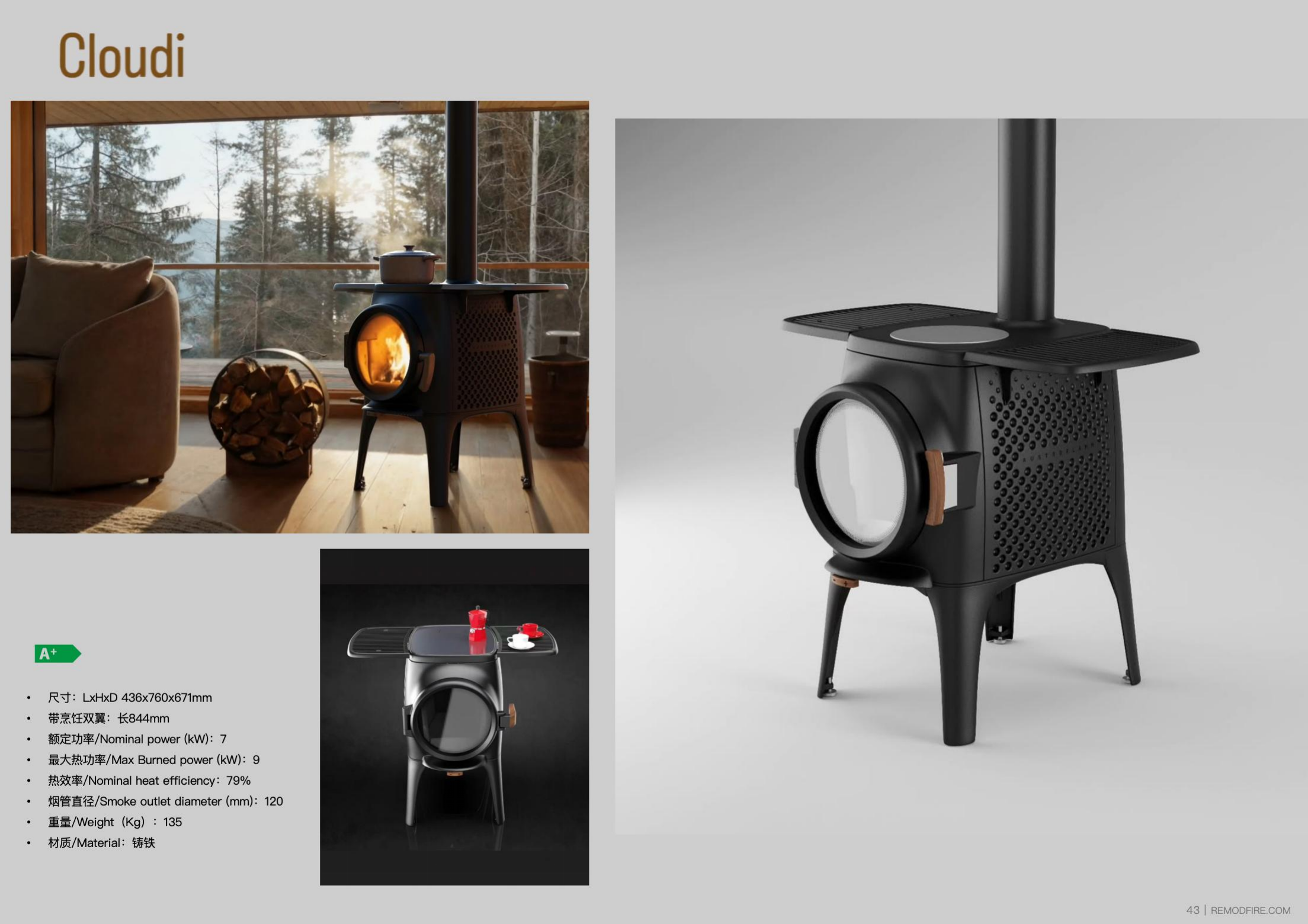
Attention
1. Firewood: Use logs approximately 300mm in length.
2. The fireplace relies on natural draft created by the height of the flue pipe to vent smoke outdoors. The horizontal run of the flue should ideally not exceed 3 meters. Ensure the installation location allows for convenient venting.
3. If placing the fireplace on a wooden floor, install a non-combustible base such as a steel sheet, stone slab, or glass panel underneath to protect the floor from any embers that may escape when the door is opened.
4. Where the rear wall is made of non-heat-resistant material, maintain a clearance of at least 30cm behind the fireplace. Within 50cm on either side and 1m in front of the fireplace, no flammable materials should be present.
5. The flue outlet can be configured for top or rear venting. When using the rear vent, cover the top flue outlet with the included round metal plate and connect the flue pipe to the rear outlet.
6. It is recommended to clean the ash from the firebox after every 2–3 uses.
7. Burning wood with higher moisture content may lead to incomplete combustion, causing carbon particles to deposit on the glass. If the glass turns black, allow the fireplace to cool completely, then wipe it with a slightly damp cloth or paper towel dipped in a small amount of cold ash from the firebox. This easily removes the soot. Avoid chemical cleaners, as they may damage the fireplace finish.
8. When the fireplace is lit, the glass front can reach temperatures of 200–300°C. Do not touch the glass. The fireplace comes with heat-resistant leather gloves; always wear them when operating the fireplace.
9. To ignite the fire, use wax-based fire starters. Do not use liquid alcohol or other accelerants to light the fireplace.
10. Pay extra attention if children are nearby while the fireplace is in use to prevent accidental contact with hot surfaces and the risk of burns.


