
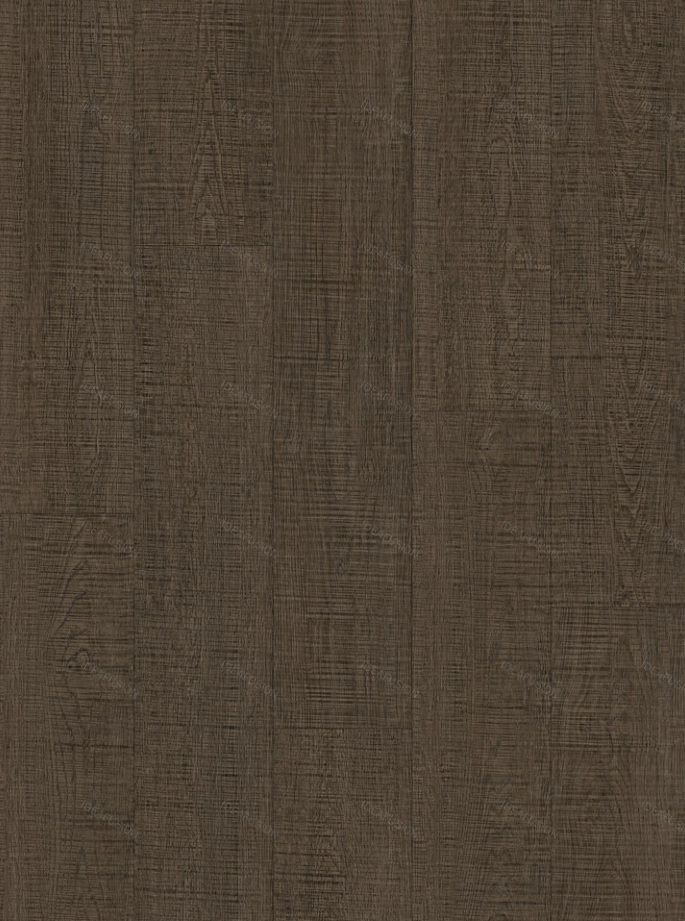


ABA Composite Click Lock Vinyl Flooring


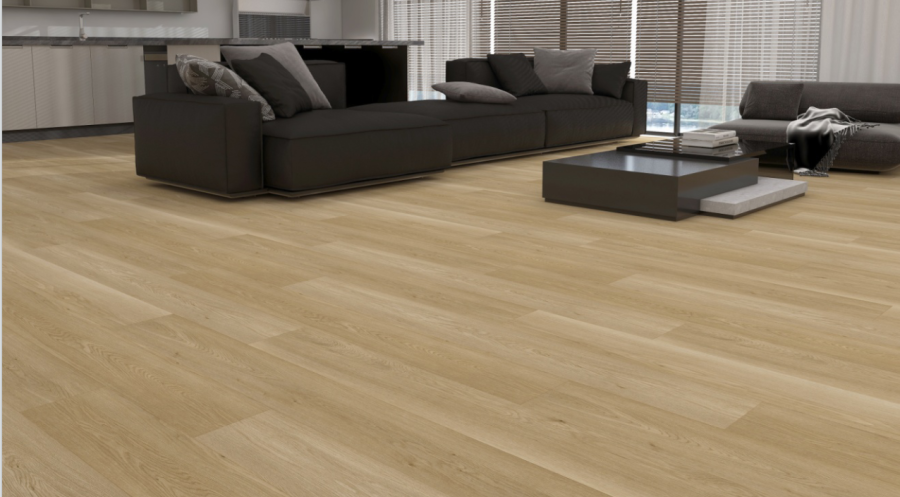
Details
The main materials of this product are polyvinyl chloride (PVC) and calcium carbonate (natural stone powder). The manufacturing process includes the following stages: 1. Mixing – raw materials are blended in large mixing machines; 2. Extrusion – the blended material is extruded into a base layer of the required thickness through a continuous production line; 3. Hot press lamination – a 500‑ton steam hot press fuses the decorative film, wear layer and base layer together under heat and pressure for 45 minutes; 4. Conditioning – the material is left to rest for 24 hours, allowing it to acclimate to ambient conditions; 5. Tempering – the product passes through long cold- and hot‑water tanks to undergo thermal expansion and contraction, improving dimensional stability; 6. Conditioning – another 24‑hour resting period in contact with air; 7. Cutting & profiling – planks are cut to final dimensions and click‑lock profiles are machined; 8. Quality inspection – samples are tested in the laboratory for compliance; 9. Acoustic backing – a quiet underlay is attached; 10. Packaging; 11. Warehousing. Available sizes include 600×125 mm, 600×100 mm, and 1220×181/150 mm. Please contact us for detailed dimensions.
Attention
PVC Flooring Care & Maintenance (Applicable to All Series)
This guide covers all PVC-based floors: LVT flexible vinyl planks, SPC rigid click‑lock flooring, standard WPC wood-plastic composite, WPC Pro co‑extruded flooring, commercial sheet/vinyl tile, and hospitality-grade PVC flooring. It applies universally, for both residential and commercial installations.
1. Daily Cleaning Essentials
Remove dust, sand and debris daily with an electrostatic dust mop, soft-bristled vacuum or soft broom. Sand is the top cause of wear; high‑traffic areas (entryways, hallways, office corridors, hotel lobbies) should be cleaned daily. Never use steel wool, hard brushes or metal tools, as these can scratch the wear layer.
Wet mopping: Use only a well-wrung, slightly damp mop – the floor should be dry within moments after mopping. For everyday dirt, plain water is sufficient. For grease, smudges or stubborn spots, use a diluted neutral, dedicated PVC floor cleaner.
Strictly avoid: bleach, strong acids/alkaline cleaners, oxalic acid, scouring powders, high‑concentration alcohol, banana oil, thinners or any corrosive solvents – they will attack the surface, causing fading, loss of gloss or cracking.
Spill management: Immediately wipe up tea, juice, wine, oil, ink, cosmetics and other liquids to prevent seam penetration or staining. For sticky residues, apply a dedicated PVC adhesive remover sparingly and wipe gently; never scrape aggressively.
2. Water & Moisture Protection
All PVC floors are inherently waterproof, but prolonged submersion must be avoided. Promptly dry any standing water, residual mop water, wall seepage or air‑conditioner condensation. Continuous moisture can cause darkening or mildew at seams and affect stability. In splash‑prone zones (kitchens, balconies, bathroom transitions) use absorbent mats to block moisture. During rainy or humid seasons, maintain good ventilation to keep the surface dry.
3. Scratch, Pressure & Wear Prevention
Fit all furniture legs (chairs, tables, sofas, beds, cabinets) with soft rubber or felt glides – never allow metal or hard plastic to touch the floor. Always lift heavy furniture when moving; dragging or sliding will cause scratches, dents and wear‑layer damage. Avoid sharp objects (knives, metal corners, gravel) striking or scraping the floor. High heels with sharp stilettos or hard cleats can cause localized damage, especially in commercial settings. In high‑traffic commercial and hospitality areas, use entrance mats to trap outdoor grit and drastically extend floor life.
4. Underfloor Heating & Sunlight
PVC floors are excellent over radiant heating systems. When using underfloor heating, raise and lower the temperature gradually – sudden temperature shocks must be avoided. The ideal surface temperature is below 28 °C (82 °F). During the heating season, keep indoor humidity between 40% and 60% to minimize shrinkage or slight seam widening. Never cover large areas with thick rugs or closed‑bottom furniture while the heating is on, as this can cause heat build‑up and uneven warming.
Sunlight: Prolonged intense direct sunlight can accelerate surface aging and cause slight color variation. In rooms with large windows or strong sun exposure, use curtains or blinds during peak hours to reduce UV exposure and maintain an even, long‑lasting color.
5. Absolute Prohibitions
• Do not use scrubber‑dryers, pressure washers, polishers or sanders on the floor.
• Never wax, polish, varnish or seal a PVC floor – the factory wear layer requires no additional treatment; after‑market waxing can clog the surface, collect dirt and become sticky.
• Keep extremely hot objects (boiling kettles, pots, portable heaters, open flames) away from direct floor contact to prevent burn marks or deformation.
• Avoid heavy static point loads, sharp work or rolling heavy equipment on the floor without adequate protection.
6. Commercial & Hospitality Notes
Increase daily dusting and cleaning frequency in high‑traffic lobbies, corridors and offices. Equip trolleys and service carts with soft rubber casters to prevent scratches. Regularly inspect wear‑prone zones (entrance, elevator landings) and deal with stubborn marks promptly. For large‑area commercial installations, simply check expansion gaps periodically and maintain stable ventilation.
7. Simple Repairs
• Light scratches: use a PVC floor repair paste or color‑matching touch‑up pen.
• Stubborn dark marks, adhesive residue: gently rub with a neutral adhesive remover or specific cleaning paste.
• Slight indentations: remove the heavy object; the surface will often recover by itself after a few days at room temperature.
8. Quick Reference
PVC floors are waterproof, wear‑resistant and easy to maintain. Simply avoid standing water, harsh chemicals, dragging heavy items and extreme heat. With daily dry dusting, occasional damp mopping and simple protective measures, they will stay beautiful and durable for years.


